All-Rounder Children
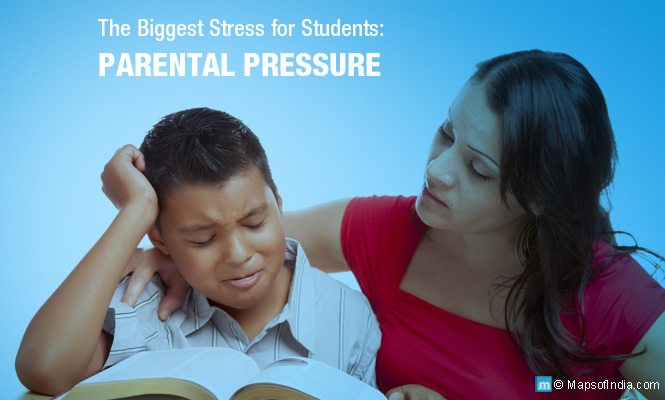
A secure and happy family environment is the bare necessity for the healthy growth and development of a child. In India, education and academics have been the traditional focal points of stress. Parental pressure for children to excel in their studies has been unusually high. Unlike other countries, peer pressure does not seem to feature in the list of woes of an Indian student. A compelling need to excel in academics coming from the family, often tending to abuse, does cripple the student’s morale and is one of the greatest causes for failure and breakdown, say leading psychologists. With the rise of sports and entertainment as high revenue businesses in India, the traditional career focus of most Indians has turned to these fields. Most Indian parents are, however, unable to shrug off the need to pursue academics simultaneously. Sachin Tendulkar, India’s best known cricketer, caused many parents to sit up and don their thinking hats when he revealed that his parents allowed academics to take a beating while he was out practicing. And yet, given the immense competition that is inevitable in any sport or entertainment activity, parents tend to goad their children into becoming all-rounders and children often end up as victims rather than success stories.Psychological Impact on Children
India has one of the highest suicide rates among teenagers and young adults between the ages of 15 and 29. Failure in examinations is among the top 10 reasons for suicide in the country while family problems among the top three. While initially, farmers from regions with poor monsoons were considered the most vulnerable group, recent studies between 2012 and 2014 reveal that young adults of wealthier and educated families in the urban belt are more prone to ending their lives. According to a 2014 news report about 2,471 students in the country took their lives in 2013 after having failed in examinations; in 2012, this number was pegged at 2,246. Most of these suicides are a result of parental pressure and high expectations, not consummate with the student's skills or interests, say experts. Maharashtra, Tamil Nadu, Andhra Pradesh, West Bengal and Madhya Pradesh seem to have set the worst precedents in this field. Even in cases where suicide is not on the child’s mind, such undue pressure coming from parents – people who are charged with nurturing and caring for the child – leads to a number of psychological issues, manifesting in different stages of youth and adulthood.Academics Vs Sports Vs Arts
Two of the biggest failures of the Indian educational system and parenting in modern India are the inability to identify learning disabilities such as dyslexia and considering academic failure to be the end of life. While some of the pressure on students and children may be attributed to the ‘No Fail policy till Class VIII’, it is undeniable that a large amount of the pressure comes from the parents. In Maharashtra and Tamil Nadu, for example, a common complaint is that parents compel their wards to take up science and mathematics as subjects in high school in the hope that their children may become engineers or doctors. The children themselves may be interested in commerce or the arts – a choice completely ignored. Sports and physical activities while imperative for growing children should also be considered de-stressing activities. Pro sports need an early start but parental pressure creates more of an aversion to sporting activities rather than inspire an enthusiasm. Competitive parents make it worse with constant comparisons and shaming kids. Dance, music, arts and other activities are excellent choices when it comes to stimulating the creativity of children. They teach essential values such as discipline, focus and team work, while also helping children explore their potential outside the world of books. Parental pressure to excel has unfortunately turned these pleasurable activities into competitive events putting the children under immense stress.Signs that Your Child May be Stressed
- Disinterest is one of the greatest signs of a stressed child. Lack of interest in studies, playtime, television and entertainment, or outdoor activities, are telltale signs that something is not quite right. While you investigate the cause, do also look out for extraordinary fatigue, lack of hunger, disturbed sleep patterns, etc.
- Watch out for frequent bouts of “sickness”. This is a common sign among younger children. Frequent headaches, stomach aches and induced nausea are some ways a young child may deal with fear or anxiety in general or with regard to one particular activity.
- Negativity and negative behaviour is almost revealing when it comes to a child’s state of mind. Negative behaviour could include mood swings, aggression, social isolation or refusal to interact with peers and anxiety.
- When it comes to teenagers, parental pressure and resultant stress may translate into rebellion. Undesirable activities such as smoking, drug addiction, playing truant from school, etc., may be manifestations of an inability to deal with parental pressure.
- Underachievement in activities that your child generally likes participating in may be a cry for help. Excessive pressure may lead a child to perform poorly in academics or in activities that he/she naturally good at.