The Dhobi Ghats' History
Dhobi Ghats have a long history dating back to ancient times. There is evidence of open-air laundromats being utilised in the Indus Valley Civilization. During the Mughal era, Dhobi Ghats grew even more popular. The Mughals were noted for their love of cleanliness, and they constructed several Dhobi Ghats throughout their empire.How Do Dhobi Ghats Work?
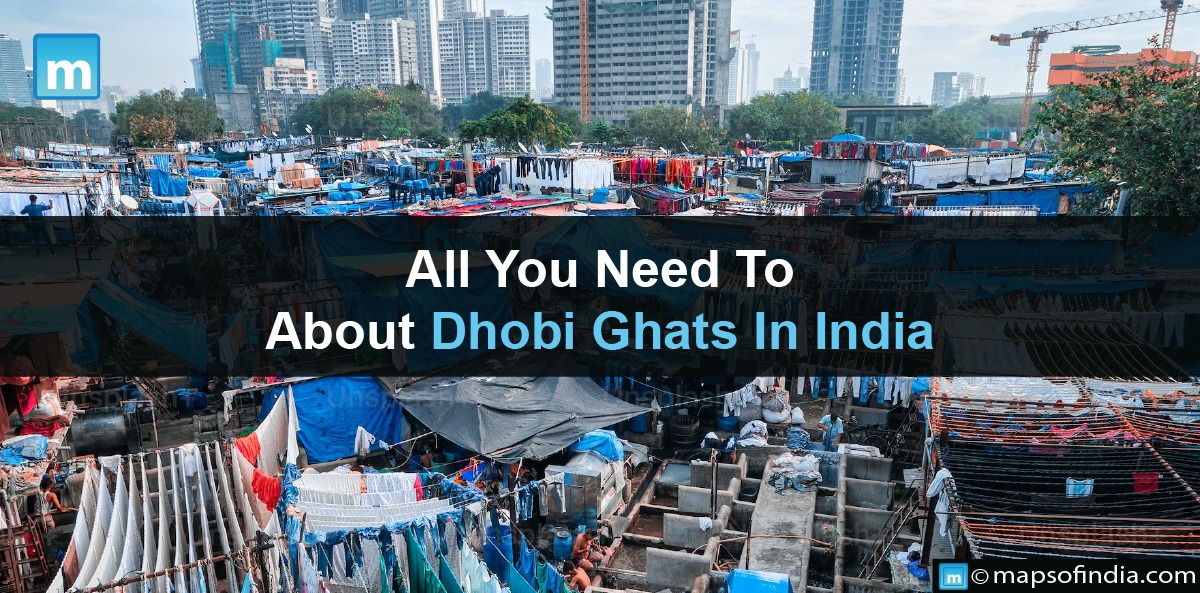
Dhobi Ghats are usually divided into parts, each for a different stage of the washing process. The first portion is where the garments are organised. The clothing is then washed with water and detergent. Following soaking, the clothes are washed and battered to remove dirt and stains. The clothing is then washed and dried.Dhobi Ghats in India
In India, there are numerous well-known Dhobi Ghats. Some of the most notable are:- Dhobi Ghat, Mumbai: This is the world's largest Dhobi Ghat. It employs around 10,000 dhobis and is located on the banks of the Mahalaxmi River.
- Dhobi Ghat, Varanasi: This Dhobi Ghat is located on the Ganges River's banks. It is a famous tourist destination recognized for its vibrant clothing and lively atmosphere.
- Dhobi Ghat, Kolkata: This Dhobi Ghat is located on the Hooghly River's banks. It is well-known for its traditional techniques of washing clothing and is a favourite photography location.
The Clothes Washing Process at Dhobi Ghats
Washing clothes at Dhobi Ghats is a time-consuming operation. The dhobis (washermen) labour long hours and frequently face adverse weather conditions. They are, nevertheless, proud of their work and take great care in cleaning their customers' garments.- Sorting the garments is the first step. Colour, fabric type, and degree of dirtiness are used to sort the clothing.
- Soaking: After that, the clothing is soaked in water and detergent. This aids in the removal of dirt and stains.
- Scrubbing and Beating: To remove dirt and stains, the clothes are scrubbed and battered. This is a physically demanding profession, and the dhobis frequently use wooden clubs to beat the garments.
- Rinsing: Finally, the clothing is rinsed to remove any soap residue.
- After that, the clothing is dried in the sun or a dryer.