 “Food is the ingredient that binds the world together.” Every country in the world has its own specific tastes and dishes that suit the palate of the residents. We Indians too have a varied array of dishes that we are proud of. In fact, within India, each state has its own dishes that they are not only proud of but even possessive about. Ask a Bengali how he/she feels about Shorshe Maach or Alu Posto, ask a Punjabi how he/she feels about Aloo paratha and Dal Makhani and you will get the answer.
But there are a few dishes that we have been proud of for ages which actually find their origin outside India. Here are a few of them:
Samosa
“Food is the ingredient that binds the world together.” Every country in the world has its own specific tastes and dishes that suit the palate of the residents. We Indians too have a varied array of dishes that we are proud of. In fact, within India, each state has its own dishes that they are not only proud of but even possessive about. Ask a Bengali how he/she feels about Shorshe Maach or Alu Posto, ask a Punjabi how he/she feels about Aloo paratha and Dal Makhani and you will get the answer.
But there are a few dishes that we have been proud of for ages which actually find their origin outside India. Here are a few of them:
Samosa
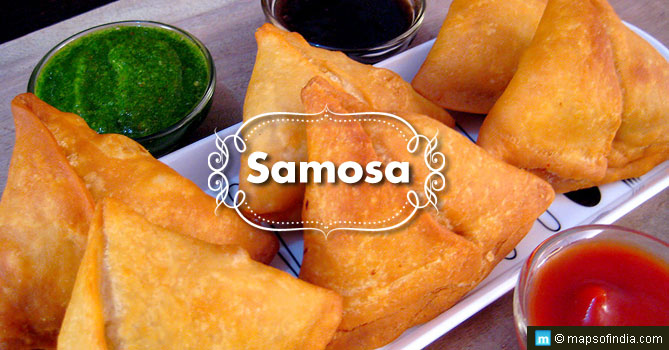 Yes, the quintessential teatime snack that every Indian absolutely loves is actually from the Middle East. It is known as Sambosa there and it is believed that it was introduced to India somewhere in the 14th Century by traders in Central Asia.
Dal-Bhaat
Yes, the quintessential teatime snack that every Indian absolutely loves is actually from the Middle East. It is known as Sambosa there and it is believed that it was introduced to India somewhere in the 14th Century by traders in Central Asia.
Dal-Bhaat
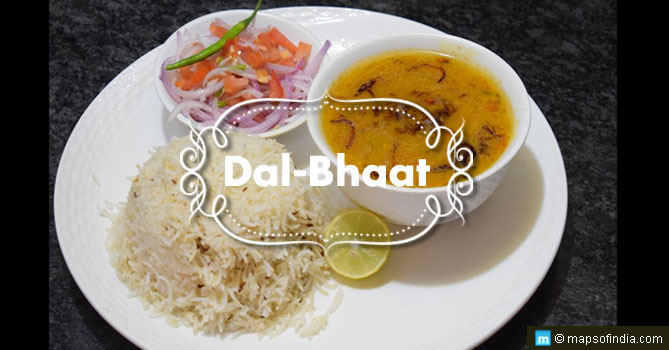 Rice with lentils, Dal-Chawal, or Dal-Bhaat, the comfort food for every Indian that sees one through winter nights originates from Nepal. The simple and yet filling dish entered India most probably from the Northern parts and today is a staple diet in almost all regions of India.
Shukto
Rice with lentils, Dal-Chawal, or Dal-Bhaat, the comfort food for every Indian that sees one through winter nights originates from Nepal. The simple and yet filling dish entered India most probably from the Northern parts and today is a staple diet in almost all regions of India.
Shukto
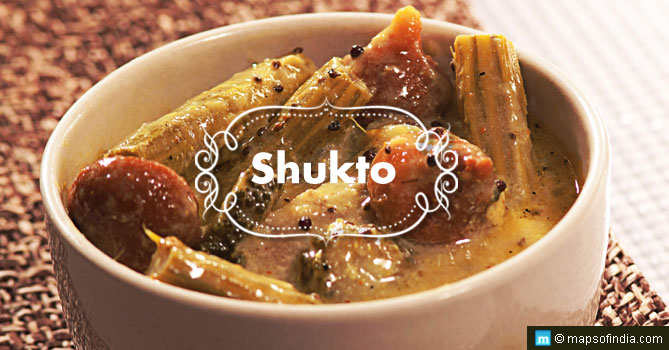 This may come as a surprise to the Bengalis who are very possessive about their dishes, but Shukto originates from Portugal. Made of bitter gourd it was originally prepared by the Portuguese. The influence of Portuguese cuisine can be seen in Goa as well as Eastern India. Today Shukto has been given a new avatar with more vegetables being added to it but it is not Indian.
Rajma
This may come as a surprise to the Bengalis who are very possessive about their dishes, but Shukto originates from Portugal. Made of bitter gourd it was originally prepared by the Portuguese. The influence of Portuguese cuisine can be seen in Goa as well as Eastern India. Today Shukto has been given a new avatar with more vegetables being added to it but it is not Indian.
Rajma
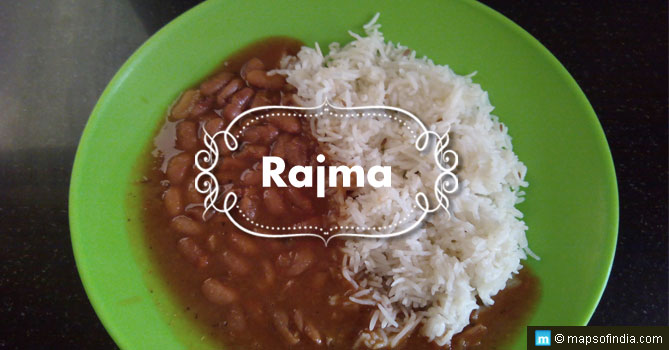 Ask a North Indian how they feel about Rajma and they will speak of eternal love for the dish. It is the soul food for every Indian living in the Northern part. But no, Rajma, aka kidney beans, is not Indian food. This dish originates from Mexico. While the Portuguese introduced this pulse to India, the technique of soaking and boiling the kidney beans was taken from the Mexicans for whom it is a staple diet. However, the Indian Rajma is very different in taste from the Mexican version.
Vindaloo
Ask a North Indian how they feel about Rajma and they will speak of eternal love for the dish. It is the soul food for every Indian living in the Northern part. But no, Rajma, aka kidney beans, is not Indian food. This dish originates from Mexico. While the Portuguese introduced this pulse to India, the technique of soaking and boiling the kidney beans was taken from the Mexicans for whom it is a staple diet. However, the Indian Rajma is very different in taste from the Mexican version.
Vindaloo
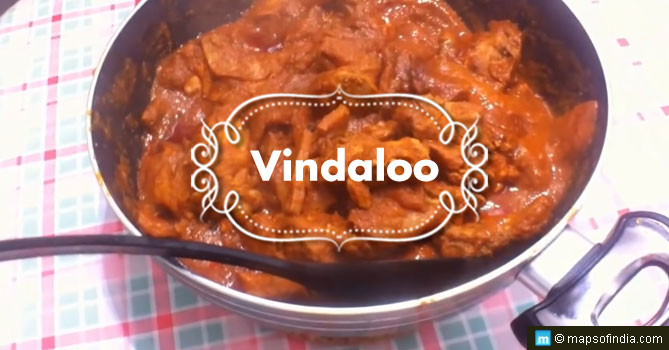 The dish that holds a place of pride at the dining table for all important festivities of a Goan finds its roots in the Portuguese cuisine. Originally known as Carne de Vinha D’alhos, this dish is made of pork marinated in wine and garlic. The dish underwent some modifications in the Goan kitchen; like usage of palm vinegar instead of wine along with the options of chicken and beef.
Gulab Jamun
The dish that holds a place of pride at the dining table for all important festivities of a Goan finds its roots in the Portuguese cuisine. Originally known as Carne de Vinha D’alhos, this dish is made of pork marinated in wine and garlic. The dish underwent some modifications in the Goan kitchen; like usage of palm vinegar instead of wine along with the options of chicken and beef.
Gulab Jamun
 The sweet dish that every Indian loves is actually from Persia. Known originally as Luqmat-al-Qadi, this dish was brought to India by the Persian invaders and were offered as a greeting to the emperor in India. Since then these dough balls dipped in sugar syrup has become a favourite with every Indian with a sweet tooth.
Jalebi
The sweet dish that every Indian loves is actually from Persia. Known originally as Luqmat-al-Qadi, this dish was brought to India by the Persian invaders and were offered as a greeting to the emperor in India. Since then these dough balls dipped in sugar syrup has become a favourite with every Indian with a sweet tooth.
Jalebi
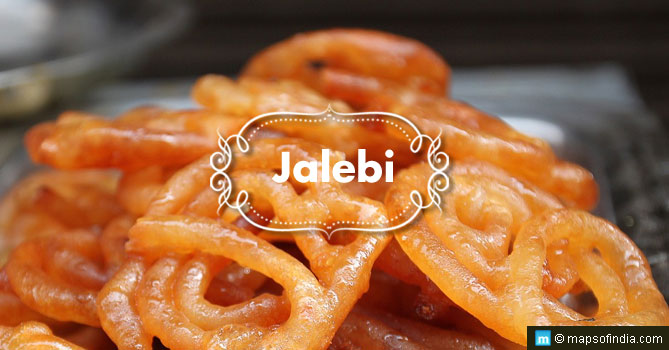 The Persian invaders brought along with them another delicacy, Jalebis. Yes, this syrupy sweet dish is not Indian. Known as Zalabia in Arabic and Zilabiya in Persian, the crisp fried sweet dunked in sugar syrup is a favourite of all across the country.
Naan
The Persian invaders brought along with them another delicacy, Jalebis. Yes, this syrupy sweet dish is not Indian. Known as Zalabia in Arabic and Zilabiya in Persian, the crisp fried sweet dunked in sugar syrup is a favourite of all across the country.
Naan
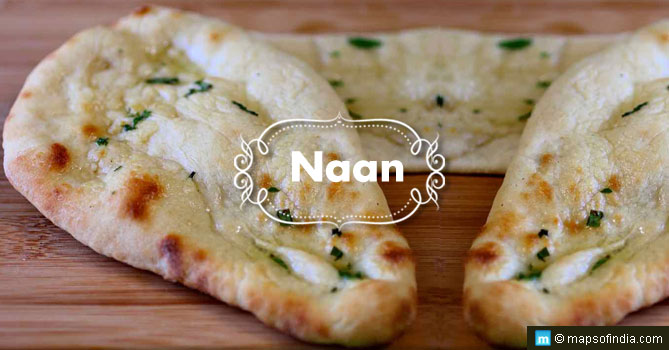 The leavened bread that one always orders when in a restaurant came to India during the Mughal era. Though it has its roots in the Persian cuisine, Naan is an Iranian dish.
Tea or Coffee
The leavened bread that one always orders when in a restaurant came to India during the Mughal era. Though it has its roots in the Persian cuisine, Naan is an Iranian dish.
Tea or Coffee
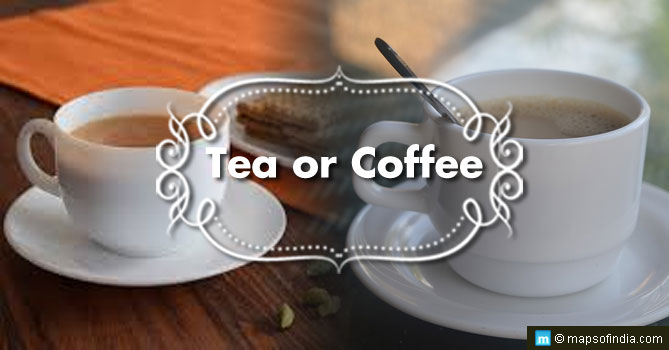 The two beverages that every Indian need to start the day as well as get through it are not India. While tea was introduced to India by the British to rid China of the monopoly in the tea industry, coffee was not a part of India till the 16th century when Baba Budan smuggled some coffee beans into India while on a pilgrimage to Mecca which he proceeded to cultivate making coffee an all-time favourite.
Well, Indian or not, each of these dishes is stupendous. So why worry about the origin? After all, “Food is our common ground, a universal experience.”
The two beverages that every Indian need to start the day as well as get through it are not India. While tea was introduced to India by the British to rid China of the monopoly in the tea industry, coffee was not a part of India till the 16th century when Baba Budan smuggled some coffee beans into India while on a pilgrimage to Mecca which he proceeded to cultivate making coffee an all-time favourite.
Well, Indian or not, each of these dishes is stupendous. So why worry about the origin? After all, “Food is our common ground, a universal experience.”