History
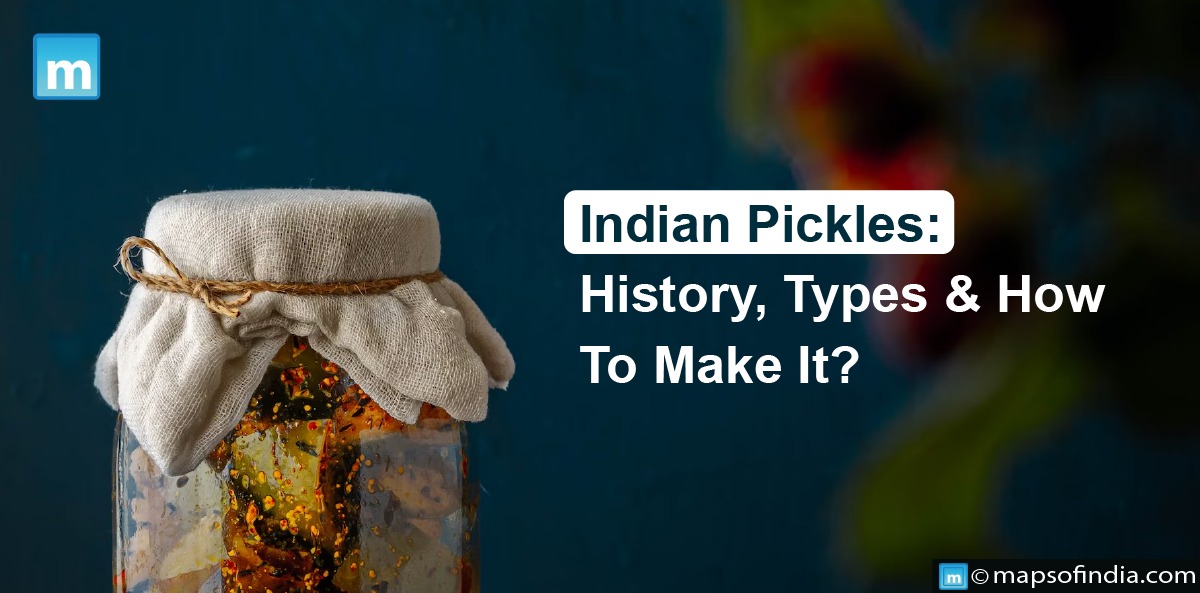
Pickles were first mentioned in ancient Vedic writings, reaching back to 1500 BC. Pickles are described in these writings as being produced from various fruits, vegetables, and herbs. Pickles were described in the Arthashastra, an ancient Indian economic treatise written in the fourth century BC. Pickles gained popularity in India during the Mughal dynasty (1526-1857). The Mughals brought new fruits and vegetables to India, which were incorporated into the Indian culinary repertory. Pickles were also used to store food during the long winter. Pickles are now an essential component of Indian cuisine. In India, there are approximately 400 different types of pickles, each with its distinct flavour and texture. People of all ages and all groups adore pickles. They are a common condiment served with various Indian cuisines such as rice, roti, and curries.Types
There are numerous varieties of Indian pickles, each with its distinct flavour and texture. The following are some of the most popular types of Indian pickles:- Mango pickle: Mango pickles are created by pickling ripe mangoes in a mixture of salt, mustard oil, and spices. In North India, they are a popular spice frequently eaten with rice and dal.
- Lemon pickle: Lemon pickles are created by pickling lemons in a brine containing salt, vinegar, and spices. They are a famous South Indian condiment frequently served with idli and dosa.
- Amla pickles: They are created from Indian gooseberries that have been pickled in a mixture of salt, oil, and spices. They are a popular spice throughout India and are well-known for their health advantages.
- Mixed vegetable pickles: These are created from various vegetables, such as carrots, cauliflower, and onions, and are pickled in a mixture of salt, vinegar, and spices. They are a popular condiment throughout India and go well with various cuisines.