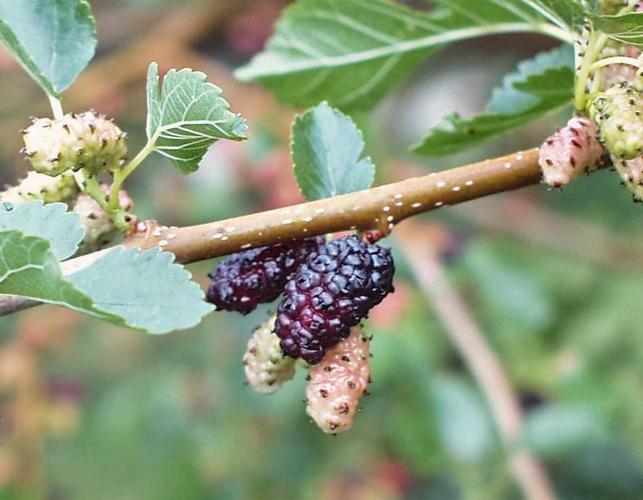
Benefits of Mulberry fruit
- Improves digestion: Mulberries consist of dietary fibre, which makes nearly 10% of the daily requirements when served separately. Dietary fibre assists the digestion process by bulking up the stool, accelerating the flow of food through the digestive tract, and lowering bloating, constipation, and cramping. Fibre maintains cholesterol levels and can enhance heart health when taken into consideration by the diet.
- Corrects vision: One of the carotenoids discovered in mulberries is zeaxanthin, linked directly to lower oxidative stress on specific ocular cells, comprising the retinal macula lutea. Zeaxanthin runs as an antioxidant and avoids certain damage to the retina and free radicals, leading to macular degeneration and cataracts. Mulberry tea is commonly referred to as improve eyesight.
- Improves immunity levels: Vitamin C is a powerful defensive weapon against any illness or foreign pathogens in the body that antioxidants don’t affect or concern them. One could include mulberries to smoothies and salads to boost immunity levels. A single serving of mulberries is approximately the requirement of Vitamin C for the day. It merges with the minerals and vitamins that are there in this fruit. It acts as a genuine weapon against illness.
Components of Mulberry fruit
- Anthocyanins: A cluster of antioxidants that could cause oxidation of LDL (bad) cholesterol and offers beneficial results against heart disease.
- Chlorogenic acid: It is an antioxidant that is adequate in vegetables and fruits.
- Cyanidin: The vital anthocyanin in mulberries leads to their red, black, or purple colour.
- Rutin: It is a robust antioxidant that may act as a safeguard against chronic conditions such as diabetes, cancer and heart disease
- Myricetin: It is a compound that may shield against some diseases like cancers.