Understanding Excise Duty and Its Role
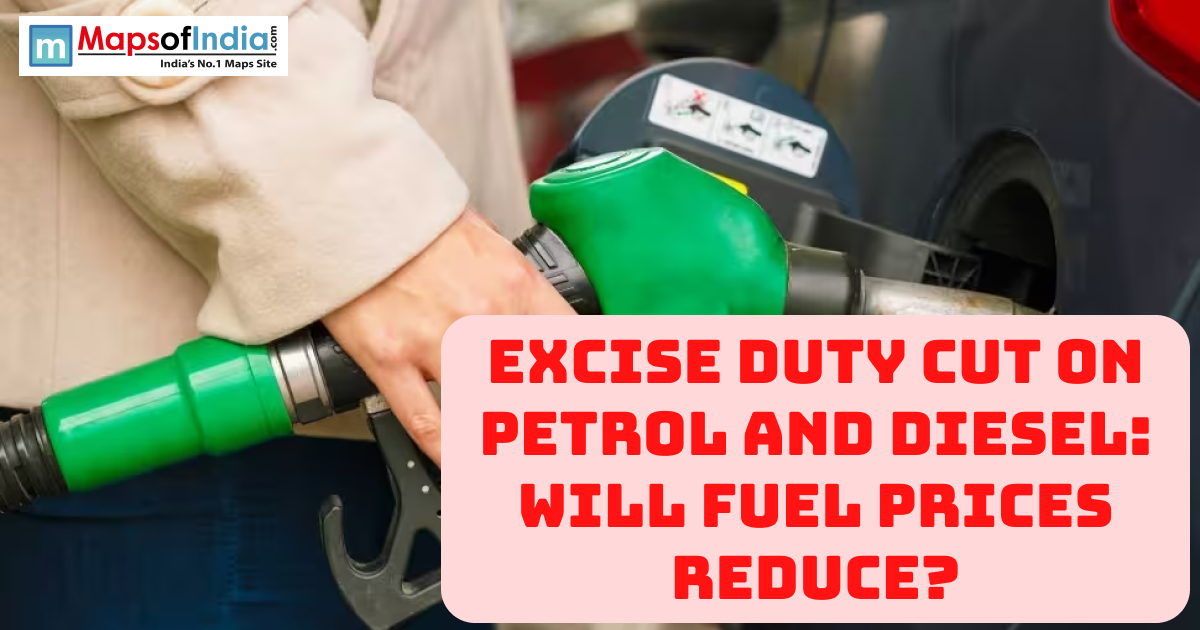
Excise is a tax levied by the central government on the production or sale of goods in the country. In petrol and diesel, it constitutes a significant portion of the retail price. The excise duty has been utilized over the years as a tool of revenue generation and also as an instrument to control price volatility. A lower excise duty should theoretically result in a lower base cost of fuel. This, in its turn, should result in a reduction in the end price to be paid by the consumers at the pump. Nonetheless, the fuel price in India is determined by various factors, and excise duty is not the only piece of the puzzle.What the Latest Cut Means
The recent move to cut the excise duty on petrol to Rs.3 and completely do away with the same on diesel is notable. Diesel, specifically, is very important in the economy of India, which drives trucks, agricultural machinery, and transport. The zero excise charge on diesel would make the logistics cheaper, and it is even possible to reduce the prices of the basic commodities. The price cut to Rs.3 per litre also represents a move towards affordability among petrol users, but the effect may not be as substantial as with diesel. The degree of relief is based on whether the benefits are passed to the consumers by the oil marketing companies or not.Will Fuel Prices Actually Drop?
The duty cut does not necessarily ensure an immediate decrease in the retail fuel prices, although it provides space that can be used to reduce the prices. Various aspects will decide whether a change will be experienced in the pump:- Global Crude Oil Prices A significant part of the crude oil is imported into India. In case the international crude prices are on the upswing, the gain from the excise duty reduction can be subsidized. On the other hand, steady or falling world prices enhance the chances of a visible decrease in the fuel rates.
- State Taxes (VAT) Other than the central excise duty, the state governments impose Value Added Tax (VAT) on fuel. VAT constitutes a big part of the retail price in most of the states. The final effect of the central duty cut may not be as significant, unless states change their tax rates.
- Oil Marketing Companies (OMCs) In India, their fuel prices are deregulated, that is, the prices of oil marketing companies such as Indian Oil, Bharat Petroleum, and Hindustan Petroleum can be changed according to the market conditions. In other cases, given the duty reduction rather than the retail prices, OMCs can utilize the reduction to settle past losses.
- Currency Exchange Rates It depends on the value of the Indian rupee compared to the US dollar as well. A depreciated rupee increases the cost of importation of crude oil, and this could counterbalance the tax cuts.