What is Cholesterol?
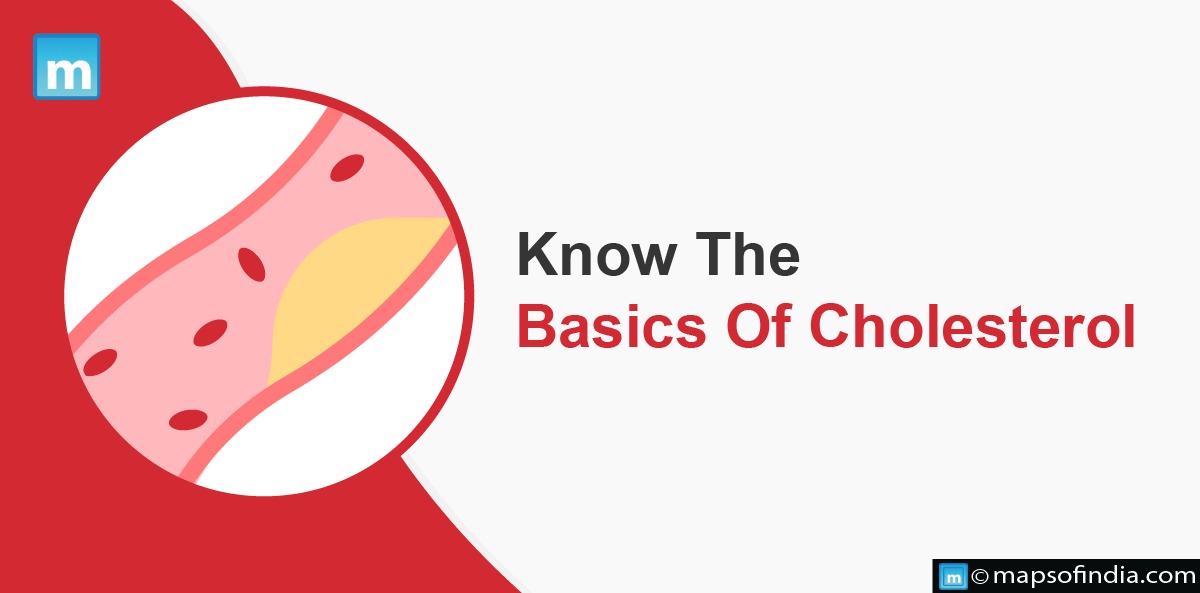
All your body's cells contain cholesterol, a waxy, fatty-like material. Producing hormones, vitamin D, and compounds that aid in food digestion requires a certain amount of cholesterol in your body. Your body produces all the cholesterol it requires. Egg yolks, beef, and cheese are just a few examples of foods made from animals that contain cholesterol. Plaque can form when excess cholesterol combines with other blood constituents. Your artery walls get covered in plaque. Atherosclerosis is the term for this plaque development. Your coronary arteries may get progressively narrower or even blocked, resulting in coronary artery disease. To meet your body's demands, your liver produces adequate cholesterol. However, the things you eat might also increase your cholesterol levels. This may lead to an increase in blood cholesterol levels. You could get into trouble at that point due to health issues. Even cholesterol itself is not harmful. For you to survive, it is necessary. However, having too much cholesterol may be dangerous. Learning about cholesterol, its uses, and its different forms is crucial. Understanding why you need cholesterol, but not too much of it can be made easier with this understanding. It can also assist you in comprehending the significance of your cholesterol readings and how to minimize them if necessary.What Is LDL, HDL, and VLDL?
For your body to function, this cholesterol is necessary. However, consuming too much of it is harmful to your health. Due to the necessity for additional lipoproteins to take up and transport excess cholesterol, see below. With the help of proteins, cholesterol is transported through the blood. Lipoprotein is the name given to this mixture of proteins and cholesterol. Based on what the lipoprotein transports, there are many forms of cholesterol.-
LDL
-
HDL
-
VLDL