- Fever
- Fatigue
- Joint pain, stiffness and swelling
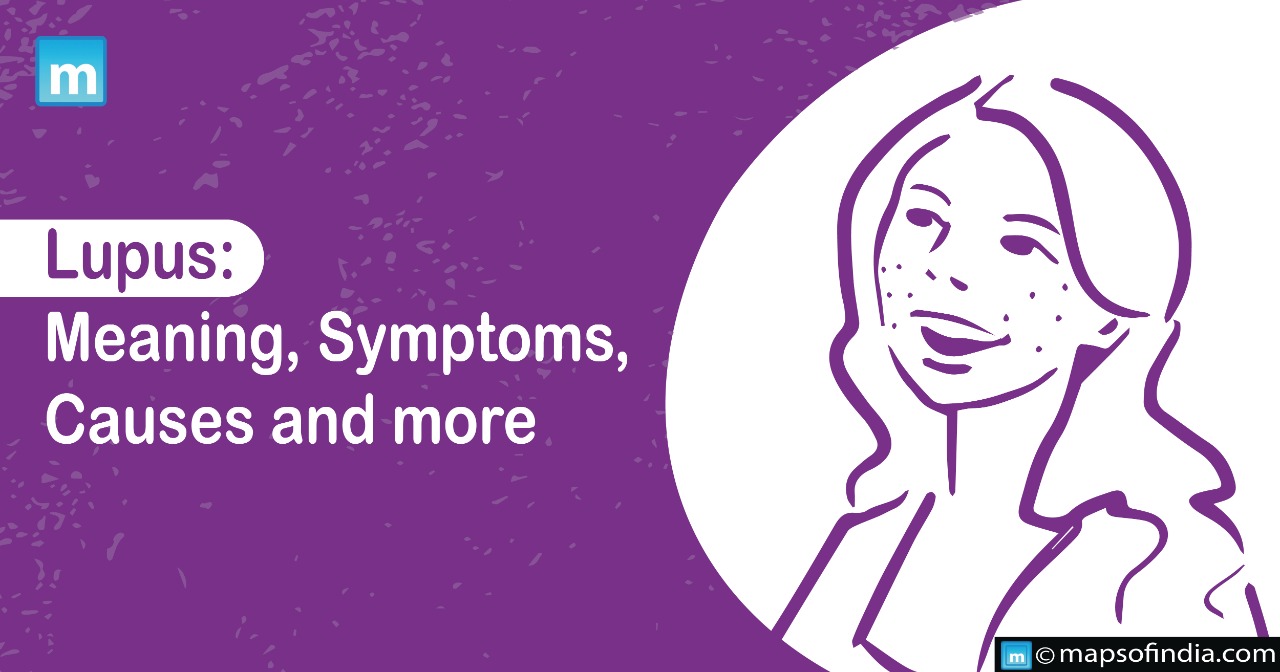
- A butterfly-shaped rash on the face that includes the cheeks and bridge of the nose, or rashes on the human body
- Skin lesions that appear or worsen with sun exposure
- Fingers and toes that turn white or blue when exposed to cold or during stressful periods
- Chest pain
- Shortness of breath
- Dry eyes
- Headaches, confusion and memory loss
- Sunlight: In those who are sensitive, exposure to the sun may cause internal reactions or skin lesions associated with Lupus.
- Infections: Some people can develop Lupus or experience a relapse after contracting a disease.
- Medications: Certain blood pressure drugs, anti-seizure medications, and antibiotics can cause Lupus. When a person with drug-induced Lupus stops taking medicine, they typically recover better. Symptoms may sporadically continue even after the treatment is stopped.
- Your sexual orientation. In women, Lupus is more prevalent.
- Age. Even though Lupus can afflict persons of any age, it is typically discovered between the ages of 15 and 45.
- Race. African Americans, Hispanics, and Asian Americans are more likely to develop Lupus.
- Kidneys: Kidney failure is one of the leading causes of death for lupus patients and can result in substantial kidney damage.
- Central Nerve System and Brain: You may encounter headaches, vertigo, behavioural changes, vision issues, strokes, or seizures if Lupus impacts your brain. Many lupus patients have memory issues and may struggle to verbalise their thoughts.
- Vascular Blood and Blood: Anemia (low levels of healthy red blood cells) and an elevated risk of bleeding or blood clotting are two blood issues that Lupus may cause. Blood vessel irritation may also result from it.
- Lungs: Having Lupus raises your risk of developing a chest cavity lining irritation, which can make breathing difficult. Also possible are pneumonia and bleeding into the lungs.
- Heart: Your heart muscle, arteries, or heart membrane may become inflamed due to Lupus. Additionally, there is a significant rise in the risk of heart attacks and cardiovascular illness.