What is the Nipah Virus?
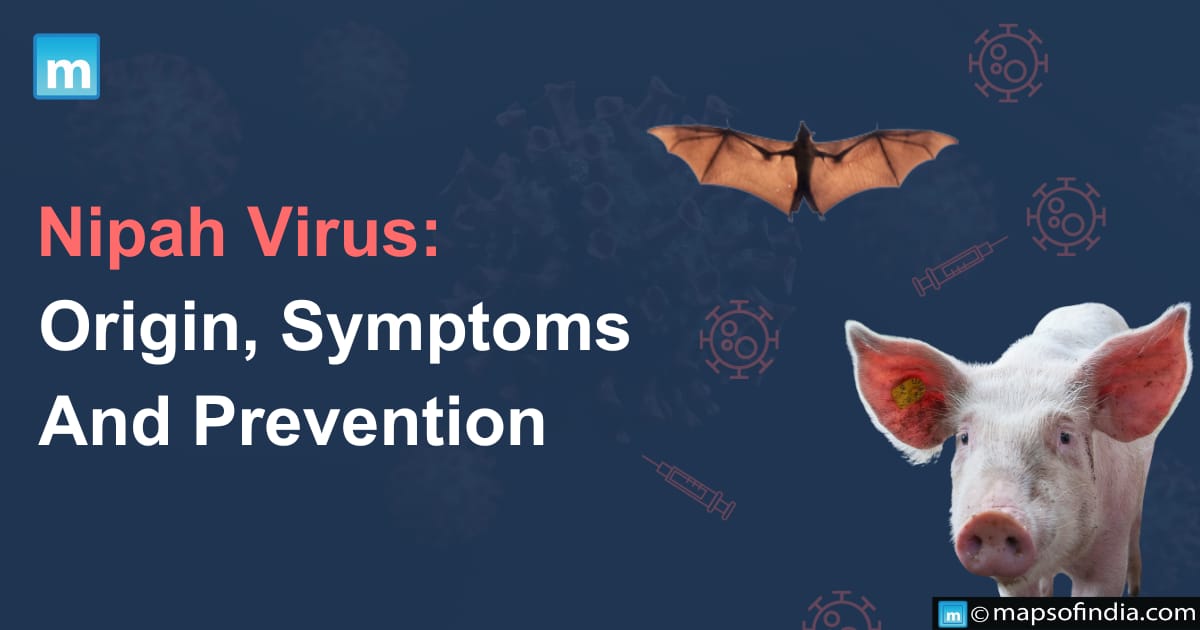
Nipah virus (NiV) is a bat-bourne, zoonotic virus that can cause an infection in animals and humans. It is named after the Nipah River in Malaysia, where it was first identified in 1999.The Origin and History
The Nipah virus is thought to have originated in fruit bats, specifically the Pteropus genus. These bats can be found in Bangladesh, India, Malaysia, Singapore, and other tropical and subtropical parts of Asia. The first human cases of Nipah virus infection were reported in Malaysia in 1999. Consumption of tainted date palm sap, a delicious liquid drawn from palm plants, was the outbreak's primary cause. The sap was tainted by infected bats' saliva or urine. Since the 1999 outbreak, there have been several other cases of Nipah virus in Asia, including outbreaks in Bangladesh in 2001, 2007, 2018, 2021, and 2023, and in India in 2001, 2007, 2018, 2019, and in 2023.
Symptoms
The symptoms of Nipah virus infection can vary from mild to severe. The signs and symptoms might resemble the flu or the common cold in mild cases. Some symptoms include fever, headache, cough, sore throat, and muscle aches. However, encephalitis, a disorder that causes brain inflammation, may be present in severe cases as one of the symptoms. Encephalitis can lead to coma and death. A severe Nipah virus infection can cause convulsions, altered mental status, and breathing issues.Prevention
Several things can be done to prevent the spread of the virus, including:- Avoid contact with sick animals, especially fruit bats.
- Wash hands thoroughly after contact with animals or their secretions.
- Avoid consuming raw date palm sap or other foods contaminated with bat droppings.
- Practicing good hygiene, such as covering your mouth and nose when coughing or sneezing.
- Avoiding contact with sick people in areas that are declared contaminated zones.