Overview of Psoriasis Understanding
A non-contagious skin condition known as psoriasis is characterised by a rapid buildup of skin cells that results in the development of elevated, crimson plaques coated in silvery-white scales. The head, elbows, knees, and lower back are just a few areas of the body where these plaques may develop. Although the actual aetiology of psoriasis is still unknown, researchers think it stems from a combination of genetic, immune system, and environmental factors.Signs and Symptoms
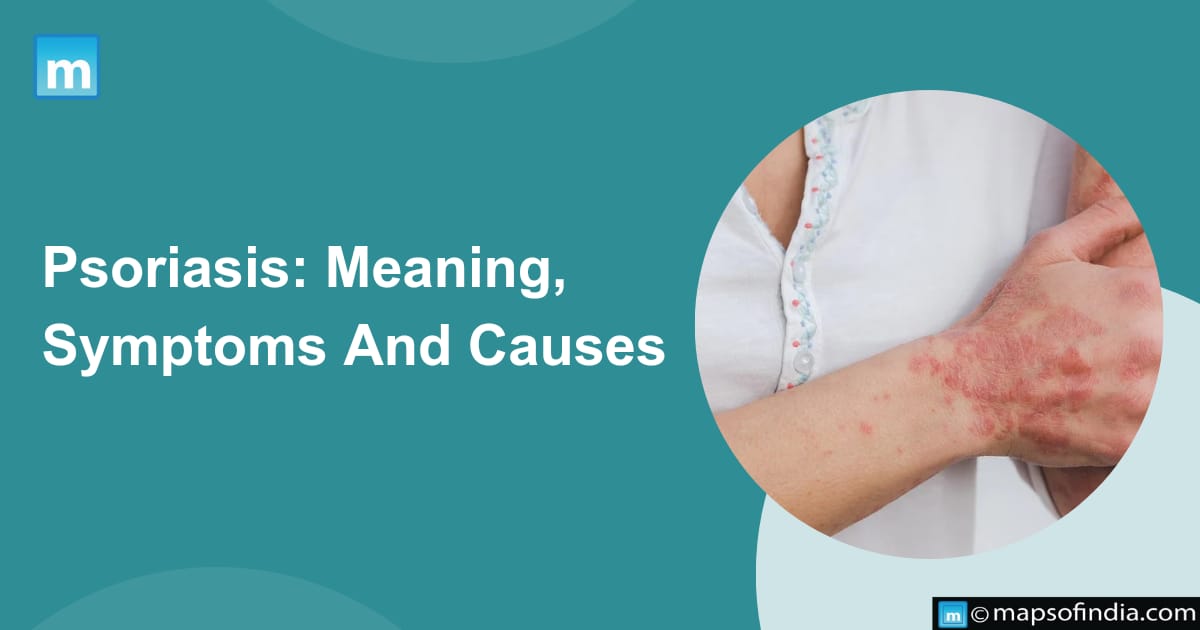
Plaques on the skin are the most noticeable symptom of psoriasis. These plaques frequently display the following traits:- Raised and Reddish: Psoriasis plaques are elevated above the surrounding skin and are reddish in colour as a result of increased blood flow.
- Silvery-White Scales: Skin cells that have accumulated on the surface of the plaques have grown excessively, resulting in the silvery-white scales that cover them.
- Itching and Pain: Psoriasis patients frequently suffer itching and pain, particularly when the plaques are dry and scaling.
- Thickened Nails: Psoriasis can also have an impact on the nails, making them ridged, pitted, or thickened.
- Joint Involvement: Psoriatic arthritis, which is characterised by joint pain, swelling, and stiffness, can occasionally develop as a result of psoriasis.
Potential Causes and Triggers
While research on the precise cause of psoriasis is still underway, a number of factors are thought to play a role in its onset:- Genetic Predisposition: Family history has a big impact on how psoriasis develops. There is an elevated risk of developing the illness in relation to specific genetic markers.
- Immune System Dysfunction: Psoriasis is a type of autoimmune illness in which the body's defence mechanisms mistakenly assault healthy skin cells. An inflammatory reaction and quickened skin cell proliferation result from this.
- Environmental Triggers: A few environmental variables might aggravate or bring on the symptoms of psoriasis. These include illnesses (such streptococcal infections), stress, smoking, drinking, and being outside in the cold.
- Medication: In those who are vulnerable, some medications, including beta-blockers, lithium, and antimalarials, have been associated with flare-ups of psoriasis.
- Obesity: Obesity has links to an increased risk of psoriasis, and weight loss can sometimes lead to improvements in symptoms.
Types of Psoriasis
Psoriasis manifests in a variety of ways, each with its own unique features:- Plaque Psoriasis: The most prevalent variety of plaque psoriasis is distinguished by elevated, crimson plaques covered in silvery scales.
- Guttate psoriasis: This form manifests as tiny, droplet-like lesions on the skin and is frequently brought on by bacterial infections.
- Pustular Psoriasis: White pustules encircled by red skin are the hallmarks of pustular psoriasis, which is frequently accompanied by fever and chills.
- Inverse Psoriasis: Skin folds are affected by inverse psoriasis, which causes smooth, red spots that could be mistaken for other skin disorders.
- Erythrodermic Psoriasis: A rare yet severe variant of psoriasis known as erythrodermic causes extensive redness and sheets of skin to shed.