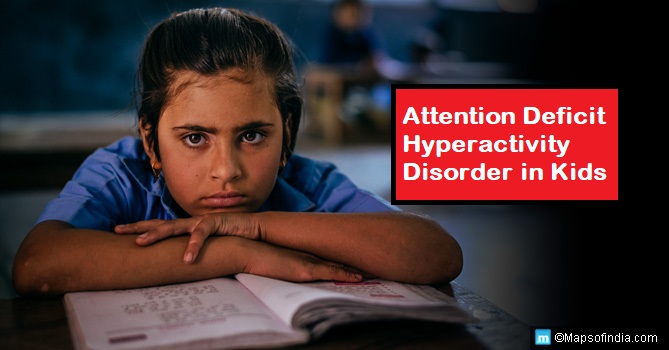
Symptoms in children/teens:
- They get easily distracted.
- They cannot remain attentive for a long time.
- They do not listen properly, ending up making silly mistakes.
- Forgetful about daily activities.
- Cannot organise and work accordingly.
- Cannot remain seated steadily.
- Face difficulties in concentrating and staying focused.
Symptoms in adults:
- Forgetful about deadlines/tasks.
- Low self-esteem.
- Stress, anxiety, depression.
- Short-tempered gets angry quickly.
- Faces difficulty concentrating on things.
- Substance abuse.
- Poor social life.
- Genetical reasons- Family members are having it and it carryforwards to later generations.
- Neurological causes- Certain chemicals imbalances in the brain, certain parts of the brain not working efficiently or inactive, an injury to the brain.
- Lifestyle- The mother had a poor diet, or into the habit of smoking/drinking alcohol/tobacco use or any other substance usage during pregnancy, any toxins which entered the mother.
Diagnosis
ADHD can be challenging to diagnose because no specific test identifies it or no particular symptoms. American Psychological Association has published a set of guidelines that describe the number of symptoms, their duration and intensity needed to be present to understand whether the individual has ADHD or not. Psychologists have a conversation with the child and family for a long period, also observe the child over time to identify symptoms of ADHD, its intensity to suggest the ideal treatment.Treatment
- Treatments ideal for ADHD is medication and therapy. Stimulant medicines such as Amphetamine, Dexmethylphenidate control hyperactive and impulsive behaviour. These stimulant medicines are most effective for teens and adults. Non-stimulant medication such as Clonidine, Guanfacine are often prescribed to children. They have minor side effects which improve after a while, like sleep disturbance, headache etc.
- Psychotherapy/Counselling- Psychologists spend time with the individuals to help them learn different ways to control their behaviour, strategise ways to improve their concentration etc.
- Sometimes family members are also given therapy sessions to learn how to support their children or any other family member with ADHD.