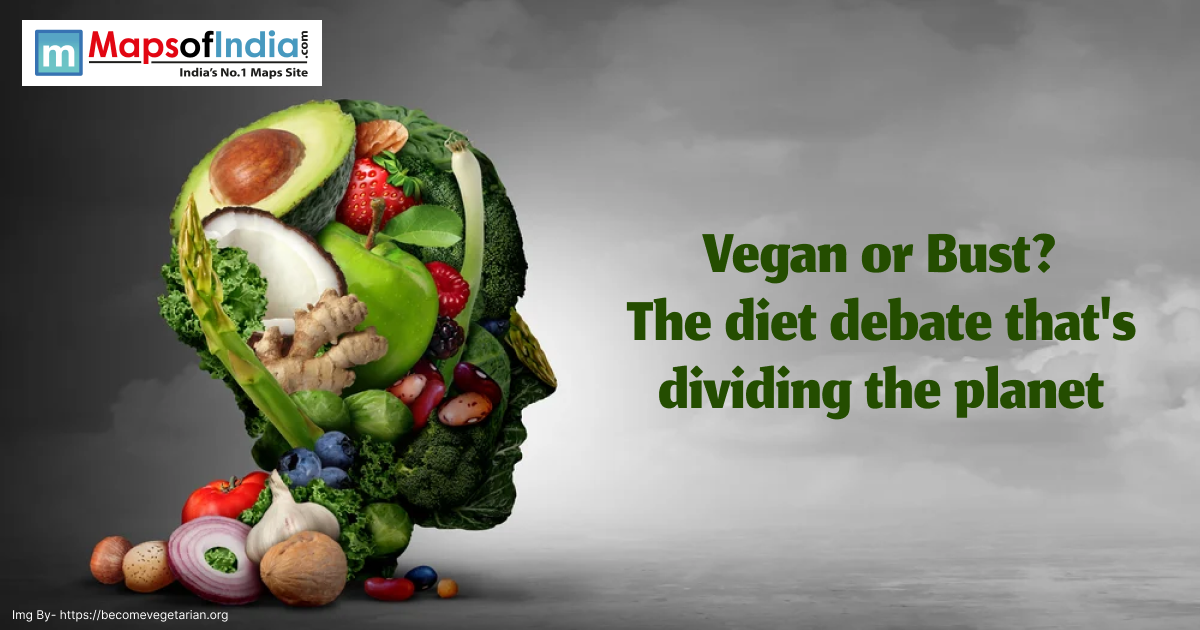
The Rise of Veganism: A Global Shift
Veganism used to be a small trend but has now grown worldwide. Thinking about animals, the environment and their own health, individuals nowadays are embracing plant-based dining more than before. Because more people want plant-based foods, we are seeing them introduced in both supermarkets and restaurants.Health Implications: Benefits and Challenges
Benefits: A carefully put together vegan diet can help you enjoy many health benefits:- Cardiovascular Health: A plant-based diet often reduces the amount of saturated fat and cholesterol which is good for your heart.
- Weight Management: Vegans are more likely to have a lower body mass index (BMI) than typical omnivores.
- Chronic Disease Prevention: A diet including more fruits, vegetables and whole grains may help prevent type 2 diabetes, various cancers and hypertension.
- Nutrient Deficiencies: A few health risks are caused by vitamin B12, iron, calcium, omega-3 fatty acid and protein deficiencies.
- Digestive Issues: Having a lot of legumes and whole grains in your diet might upset your digestive system in some cases.
- Accessibility: For people living in places where diverse plant foods are scarce, it can be hard to balance their vegan diet.
Environmental Considerations: Sustainability and Resource Use
Positive Impacts: A vegan diet is very good for the environment and helps you lower your environmental impact.- Greenhouse Gas Emissions: Animal farming causes about 14.5% of all global emissions of greenhouse gases. Diets based on plants can lessen the effects on the environment.
- Water and Land Use: Less water and land are needed to cultivate plant-based meals than to raise animals for food. A kilogram of beef uses almost 15,000 liters of water, unlike vegetables which use much less.
- Biodiversity Preservation: When less animal products are used, it reduces the pressure on nature, supporting efforts to save wildlife habitats.
- Agricultural Practices: Based on the methods and products used in farming, the environment can be affected in different ways by plant-based foods.
- Processed Alternatives: Some Processed Meats are made with processed ingredients and may not help the environment as much as whole foods.
Ethical Dimensions: Animal Welfare and Moral Considerations
Those who argue for veganism point to the rights and well-being of animals.- Animal Rights: Veganism is against animals being harmed for food, clothed or in any other way and it supports the importance of all creatures with feelings.
- Factory Farming Concerns: Industrial animal agriculture often involves practices that raise significant ethical concerns, including confinement and inhumane treatment.
Societal and Economic Impacts
Being vegan affects more than just food choices:- Economic Considerations: Moving away from raising animals might negatively impact places where livestock farming helps the economy, so support for impacted areas may be needed.
- Cultural Practices: Taking on veganism is more challenging for some due to their culture, so the approach should consider people’s cultural traditions.