The Philosophy of Sattvic Eating
Sattva is a Sanskrit word that represents purity, harmony, and balance. According to yogic philosophy, all 3 in form, the most general categories of foods are Sattvic, Rajasik, and Tamasik, breaking down our physical and mental state on a spiritual level. Sattvik foods are considered to create clarity, peace and vitality. In contrast, Rajasik foods (pungent, stimulating) may create restlessness or unease, and Tamasik foods (heavy, processed) can contribute to laziness and confusion. Sattvic diet is closely related to yoga and Ayurveda, which seek to achieve a state of inner calm and awareness. It is not so much about what one consumes as how food is acquired, cooked, and consumed in the consciousness of both gratitude and respect for all living beings.Fundamental aspects of the Sattvic Diet
The Sattvic diet is based on three main principles : Non-Violence, Ahimsa: Choose food that does the least harm to others. Therefore, primarily vegetarian food and free from animal products won through violence. Sattva (Goodness): Only fresh food that is natural and free of negative energy is considered. That means no overly spicy, pungent, or processed food. Shaucha (Cleanliness): Promotes organic, non-chemical, preservatives-free, and non-genetically modified food.What is Sattvic food?
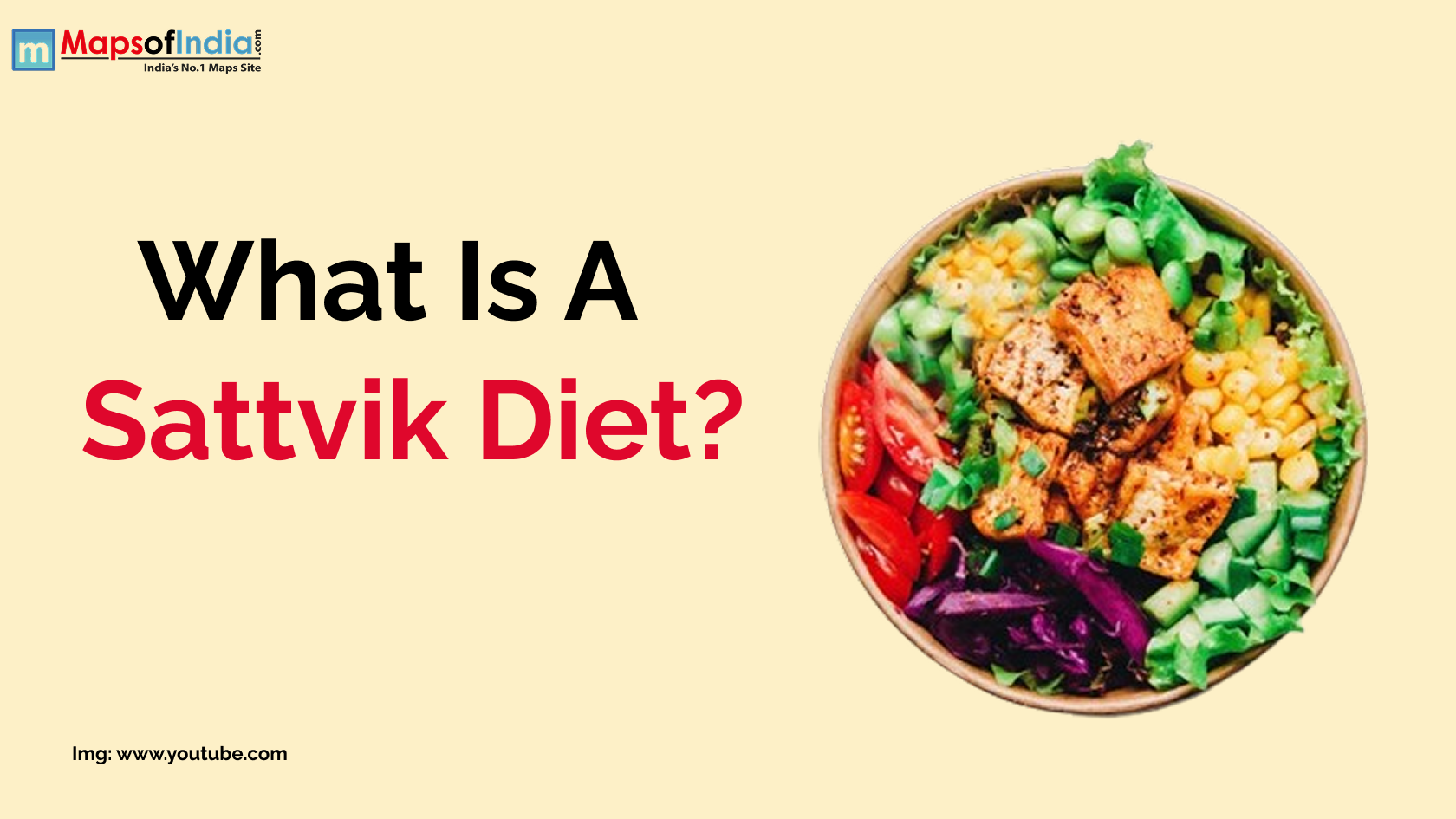
They are generally fresh, seasonal and least processed food. They're full of prana, the life force that's said to power the body and mind. Key components include: Fruits and Vegetables: Fresh, organic and seasonal vegetables and fruits are the backbone of the Sattvik diet. Leafy greens, carrots, cucumbers, apples, bananas, and berries are highly recommended. Whole Grains: Brown rice, quinoa, barley, oats, and other healthful entire grains offer slow-releasing energy, which is easy for the body to tolerate. Beans and Pulses: Lentils, chickpeas, mung beans or any small beans with high protein digestibility are preferred. Nuts and Seeds: Raw Honey-roasted nuts (almonds, walnuts) and seeds (flaxseed, sunflower and pumpkin) are enjoyed in moderation for healthy fats and long-lasting energy. Fresh milk, ghee, homemade paneer, and curd are included, provided the milk products are fresh, and the cow milk source is ethically sound. Sweeteners: Honey, jaggery and raw sugar are favoured over refined sugars and should be used sparingly. Mellow Spices and Herbs: Addition of turmeric, coriander, basil, ginger, and cinnamon with a subtle but distinct flavour. Herbal Teas and Distilled Water: Herbal teas and filtrated water contribute to hydration and detoxification.Foods to Avoid
The Sattvic diet avoids some foods because it believes they have a "negative effect on the mind and body"." Processed and refined foods: White bread, sugary treats, canned and frozen food. Co-Stimulants: Caffeine, alcohol, and other psychoactive drugs. Strong Vegetables: Onions, garlic and mushrooms are mostly avoided for up or down effects. Too spicy, salty, or sour: These are rajasic or tamasic and should be avoided for the sake of inner peace.Health Benefits of Sattvik Food
The benefits that the Sattvik diet provides are plenty, and it's evident through both tradition and science: Physical Well-being Better Digestion: Fresh, high-fibre foods help with digestion and other common problems such as constipation and bloating. Boosting The Immune System: Fruits, vegetables, whole grains and nuts provide the essential vitamins, minerals and antioxidants to increase immunity. Weight Control: Whole, natural food, as advised by the diet, is known to control metabolism and keep a healthy weight. Lower Risk of Common Diseases: A Sattvik diet, with its low inflammation and high antioxidants, could help reduce your risk for diabetes, heart disease, and certain cancers. Purification: The pure and clean foods provided help remove all toxins from the body, creating radiant skin and improving overall well-being. Mental and Emotional Balance Clarity of Mind: Sattvic food is thought to help clear your mind, focus, and improve brain function. Emotional Cutting-Edge These calming foods quiet moments of panic, mood swings, and emotional upset and bring a sense of tranquillity and joy. Less Stress: A Sattvic diet helps to keep a peaceful nervous system by eliminating stimulants and irritants. Spiritual Growth More profound Meditation: Yogis and meditators are supposed to follow the sattvic diet because it prepares the inner body for spiritual practices. Increased Awareness: Sattvic food, in its purity and lightness, is believed to improve subtle perception and spiritual intelligence.Practical Guidance - Adapting to a Sattvic Way of Life
Adopting a Sattvic diet doesn't have to be a sudden shift. Here are a few simple steps to make Sattvic practices an integral part of your everyday routine. Keep it fresh: Shoot for that season's finest fresh foods and revel in home cooking. Avoid leftovers and reheated foods when you can. Cook Mindfully: Create dishes in a serene and tidy space, rotating positivity and gratitude into your meals. Chew up: Masticate each mouthful well and don't multitask while eating to improve digestion & nutrient absorption. Fill the Plate: A variety of fruits, vegetables, carbohydrates, legumes, and fats. Supply the right balance of nutrients. Everything In Moderation: Avoid excess consumption of food; eat just enough so you feel light and precise. Stay hydrated: Sip pure water or herbal teas throughout the day.Sample Sattvic Meal Plan
- Breakfast: A bowl of oatmeal sprinkled with fresh fruit and a bit of honey.
- Snack: A small handful of raw almonds and a cup of green herbal tea.
- Lunch: Soup (made of vegetables), whole-grain bread and a side of steamed greens.
- Mid-Afternoon Snack: Raw fruit salad.
- Dinner: Brown rice with steamed vegetables and mung bean dal.
- Night: Warm almond milk with a touch of turmeric and honey.