Your Gut Microbiome: The Tiny Ecosystem Controlling Your Health
Vidyut Vardhan June 18, 2025
Introduction To The Hidden World Within Our Body
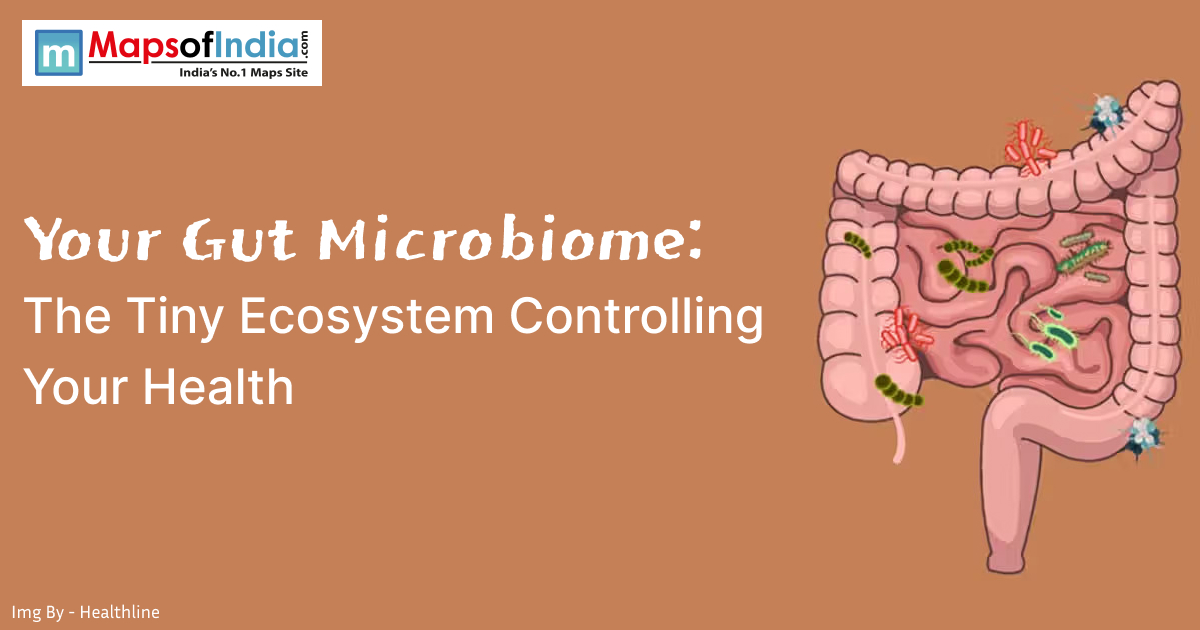
The gut is home to an ecosystem of trillions of microorganisms, including bacteria, fungi,viruses, and more in a human body. Together they are known as the gut microbiome. Thismicroscopic community plays an important role in your health, influencing everything inyour body, from digestion to mental well-being. In India, where dietary diversity and lifestylevariations shape unique microbiomes, understanding this ecosystem is key to unlocking better health.
What is the Gut Microbiome?
Gut Microbiome is a diverse microbial universe which consists of over 100 trillionmicroorganisms which includes bacteria like Bacteroides, Firmicutes, and Actinobacteriadominating. A recent study conducted by the Indian Institute of Science (IISc) in the year2024 showed that the human gut hosts over 1000 to 2,000 bacterial species and it varies bydiet, region, and lifestyle. In India, fibre-rich diets (from millets, lentils, and vegetables) foster diverse microbiomes, while urban processed food consumption can reduce microbialvariety.
How It Works
These microbes perform the following critical tasks Digestion:Break down complex carbohydrates and fibres into nutrients.Immunity:These microbes regulate 70% of the immune system as per a 2023 Nature reviewreport.Metabolism:they produce short-chain fatty acids (SCFAs) like butyrate which is an acid used as afuel by gut cells and also helps to reduce inflammation.A report from global microbiome studies, the Human Microbiome Project, shows that a balanced microbiome correlates with lower risks of chronic diseases, a finding echoed inIndian research on rural vs. urban populations.
Why Your Gut Microbiome Matters
The gut microbiome influences multiple systems in physical health It also affects thefollowing things Digestive Health: A 2024 study conducted by Lancet shows a link betweenmicrobial imbalances (dysbiosis) to conditions like irritable bowel syndrome (IBS), which isresponsible for 10 to 15% of urban Indians.Metabolic Disorders:Low microbial diversity in human body is associated with obesity andtype 2 diabetes which is affecting 12% and 9% of India’s population.Cardiovascular Health:SCFAs reduce human cholesterol levels which helps to lowers heartdisease risk which has been a significant concern in India. Where 28% of deaths tied tocardiovascular issues.
Mental Health and the Gut-Brain Axis
The gut-brain axis is a communication network which connects the gut and brain and is a hotresearch area. A well-known Journal of Neuroscience study in 2024 found that the gutmicrobes produce neurotransmitters like serotonin which impact mood and cognition. InIndia, where there is still stigma around mental health, microbiome targeted interventionscould be responsible for rising anxiety and depression rates.
Let's have a look at the Indian Context:
India has a diverse diet and lifestyle which shapes unique microbiomes in Indian people.Rural Diets:High-fibre diets (millets, whole grains, and vegetables) promote beneficial bacteria like Lactobacillus.Urban Diets:Processed foods and high sugar intake reduce diversity, increasing dysbiosisrisks.Spices and Fermentation:Turmeric, cumin, and fermented foods like idli and curd boostanti- inflammatory microbes, per a 2023 IISc study.Analytics from a 2024 survey by the National Institute of Nutrition (NIN) show that 60% ofurban Indians consume inadequate fibre, correlating with lower microbial diversity than rural populations.
Research Highlights
Diversity Metrics:A 2024 Gut Microbes study found that Indian vegetarians have 20%higher microbial diversity than non-vegetarians linked to plant-based diets.Disease Correlations:AI-driven Apollo Hospitals (2024) analysis identified microbiomesignatures for predicting diabetes risk in 70% of tested patients.Probiotic Impact:Clinical trials in India show that daily probiotic consumption (e.g.,Lactobacillus rhamnosus) improves gut health markers by 15% within 12 weeks.
Factors Shaping Your Gut Microbiome
Diet:It's a Primary Driver. Diet is the most significant influencer of microbiomecomposition. Key findings include:Fibre-Rich Foods:Millets, lentils, and greens boost Bifidobacteria, which are linked to better digestion.Fermented Foods:Curd, dosa, and pickles introduce beneficial bacteria, with a 2024 NINstudy noting a 10% increase in gut diversity among regular consumers.Processed Foods:High sugar and trans fats reduce Bacteroides, increasing inflammation.
Lifestyle and Environment
Stress:Chronic stress, common in urban India, disrupts microbiome balance, per a 2023 Psychosomatic Medicine study.Antibiotics:Overuse, prevalent in India (20% of global antibiotic consumption), kills beneficial bacteria, requiring months to recover.Urban vs.Rural:Rural Indians, exposed to diverse environmental microbes, show richermicrobiomes than urban dwellers, per IISc data.Cultural Practices like Ayurveda, widely practised in India, emphasise gut health through balanced diets and herbs like Triphala. A 2024 Journal of Ayurveda study found that Triphalasupplementation increased SCFA production by 12%, supporting gut health.
Nurturing Your Gut Microbiome
Practical Tips for IndiansIncorporate Fermented Foods: Add curd, idli, or kanji to daily meals. Aim for 2–3 servingsweekly.Boost Fibre Intake: Include millets (ragi, jowar), lentils, and vegetables like bhindi. Target25–30g of fibre daily, as recommended by NIN.Limit Processed Foods:Reduce packaged snacks and sugary drinks, which disrupt themicrobial balance.Consider Probiotics: Choose locally available probiotics like Amul Pro or consult a doctorfor supplements.Stay Active: Regular exercise, like yoga, enhances microbial diversity, per a 2024 Frontiersin microbiology study.
Challenges in Gut Health Management
Awareness Gaps:Despite growing interest, only 25% of Indians know the microbiome's rolein health, per a 2024 YouGov survey. Rural populations with limited access to healtheducation face higher barriers. Accessibility:Probiotics and testing kits are costly for many, with urban-rural disparities inaccess. Government initiatives like Ayushman Bharat could integrate gut health education to bridge this gap. Misinformation;social media myths like “probiotics cure all diseases,” misleads consumers.Verified content from sources like NIN can counter this.
The Future of Gut Health in India
India’s unique dietary and cultural landscape positions it as a leader in microbiome research. Future trends include:Personalised Nutrition:AI-driven diet plans based on microbiome profiles, with startupslike BugSpeaks scaling operations. Policy Support:Integrating gut health into public health campaigns, like Swachh Bharat, to promote dietary diversity.Global Collaboration:Indian researchers partnering with international institutes to studymicrobiome-disease links, with 10 ongoing trials in 2025.
Conclusion
To conclude, the gut microbiome is a tiny ecosystem with a massive impact on everyone's health.In India where we have seen diverse diets and lifestyles which shape unique microbial profiles, nurturing this ecosystem through a fibre-rich diet, fermentation, and mindful livingis crucial. Analytics has revealed a growing global and Indian interest in gut health, driven byscience and cultural practices like Ayurveda with accepting data-driven insights andaccessible strategies, we can harness our gut microbiome's power to live healthier which proves that even the smallest organisms can make a big difference.