History of Chandannagar
Chandannagar's history is inextricably linked to European colonial development in India. The French East India Company established a trading facility in the region in the 17th century, which started the tale of this town. The French established their first outpost in Chandannagar in 1673, establishing it as one of their most essential colonies in India. Despite clashes with the British, Dutch, and local authorities, Chandannagar remained under French authority for the next two centuries. The British briefly took the town in 1757, but it was returned to French control following the Treaty of Paris in 1763. Chandannagar thrived as a French colony, emphasizing trade and commerce, particularly in indigo and textiles. Chandannagar became a part of independent India in 1950 when the French handed over the authority of their holdings to the Indian government. Nonetheless, the town preserves much of its French legacy and charm, making it a unique destination for travelers interested in exploring the intersection of Indian and European history.French Influence in Chandannagar
The French influence is still evident in Chandannagar's architecture, culture, and food. Many of the city's buildings are built in the French colonial style, and Chandannagar has several French-language schools and cultural institutes. The city is also noted for its French-influenced cuisine, which includes delicacies like quiche, coq au vin, and crepes.Things to See and Do:
-
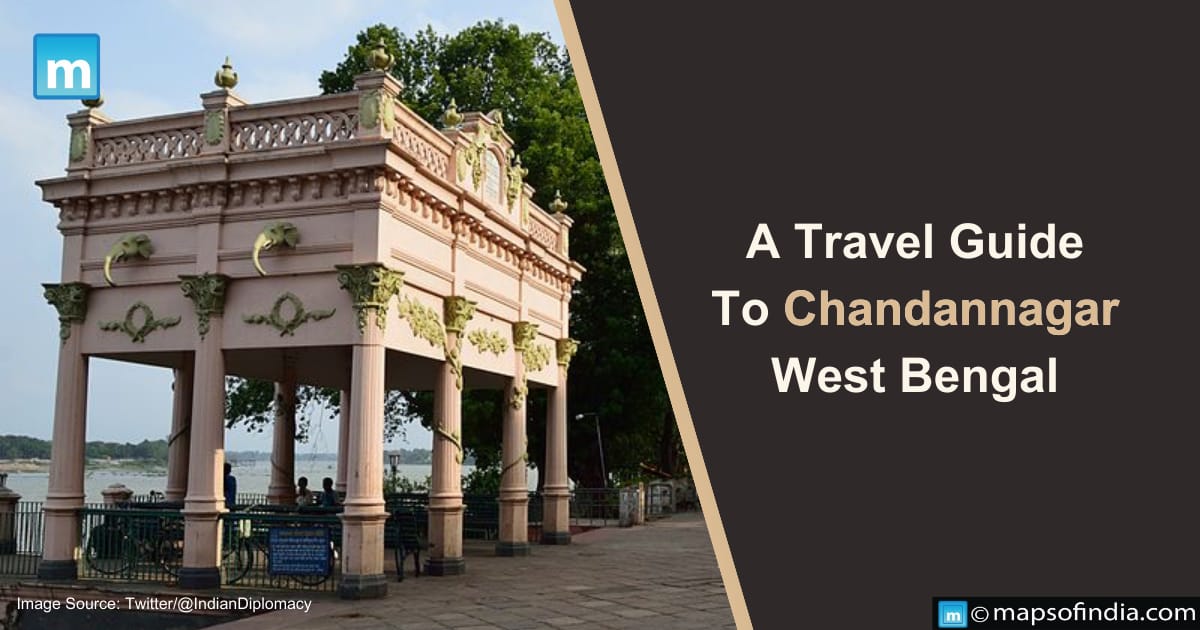
Chandannagar Strand
-
Chandannagar Museum and Institute
-
Sacred Heart Church
-
The French Cemetery
-
Nandadulal Temple