 The caste system in India has existed for ages, ever since Aryans came and settled down over here. In the beginning it was supposed to be occupational. It was not related to one’s family. One was not a Brahman or Shudra by birth but by occupation and there was no forbidding a king’s son from becoming a monk or vice versa. However, later on, owing to the actions of majority of Brahmanic community and the others’ unshakable faith on them as messengers of god this became linked to birth and family and people were soon being discriminated for or against on the basis of the same.
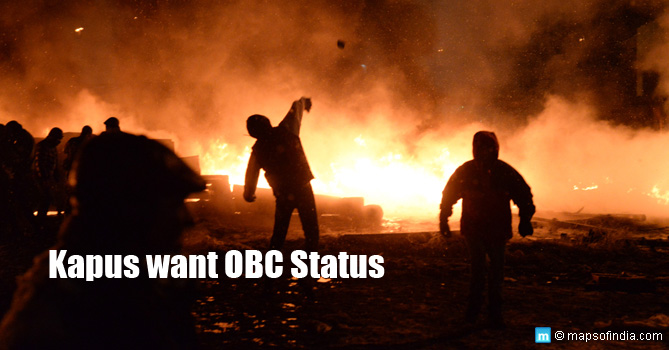
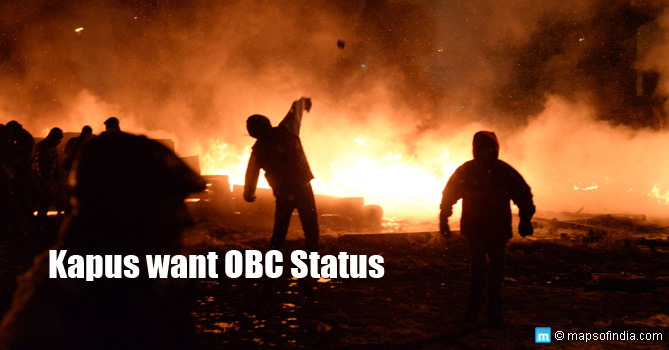
Even during the Independence Movement there were plenty of debates regarding the same between Gandhi and BR Ambedkar. After Independence, caste-based reservations were introduced in various governmental institutions and professions. Ever since caste has been a major thorn in India’s flesh with the latest death of Rohit Vemula – as well as several caste-based riots in between – being an ideal expression of how cancerous the whole issue has become. The recent incident at Tuni in Andhra Pradesh with members of Kapu community setting ablaze a train and then pillaging the nearby railway station only underlines the trend in India whereby several castes, who are not regarded as backward, are now looking to be included as backward castes.
The caste system in India has existed for ages, ever since Aryans came and settled down over here. In the beginning it was supposed to be occupational. It was not related to one’s family. One was not a Brahman or Shudra by birth but by occupation and there was no forbidding a king’s son from becoming a monk or vice versa. However, later on, owing to the actions of majority of Brahmanic community and the others’ unshakable faith on them as messengers of god this became linked to birth and family and people were soon being discriminated for or against on the basis of the same.
Even during the Independence Movement there were plenty of debates regarding the same between Gandhi and BR Ambedkar. After Independence, caste-based reservations were introduced in various governmental institutions and professions. Ever since caste has been a major thorn in India’s flesh with the latest death of Rohit Vemula – as well as several caste-based riots in between – being an ideal expression of how cancerous the whole issue has become. The recent incident at Tuni in Andhra Pradesh with members of Kapu community setting ablaze a train and then pillaging the nearby railway station only underlines the trend in India whereby several castes, who are not regarded as backward, are now looking to be included as backward castes.
The caste system in India has existed for ages, ever since Aryans came and settled down over here. In the beginning it was supposed to be occupational. It was not related to one’s family. One was not a Brahman or Shudra by birth but by occupation and there was no forbidding a king’s son from becoming a monk or vice versa. However, later on, owing to the actions of majority of Brahmanic community and the others’ unshakable faith on them as messengers of god this became linked to birth and family and people were soon being discriminated for or against on the basis of the same.
Even during the Independence Movement there were plenty of debates regarding the same between Gandhi and BR Ambedkar. After Independence, caste-based reservations were introduced in various governmental institutions and professions. Ever since caste has been a major thorn in India’s flesh with the latest death of Rohit Vemula – as well as several caste-based riots in between – being an ideal expression of how cancerous the whole issue has become. The recent incident at Tuni in Andhra Pradesh with members of Kapu community setting ablaze a train and then pillaging the nearby railway station only underlines the trend in India whereby several castes, who are not regarded as backward, are now looking to be included as backward castes.
The caste system in India has existed for ages, ever since Aryans came and settled down over here. In the beginning it was supposed to be occupational. It was not related to one’s family. One was not a Brahman or Shudra by birth but by occupation and there was no forbidding a king’s son from becoming a monk or vice versa. However, later on, owing to the actions of majority of Brahmanic community and the others’ unshakable faith on them as messengers of god this became linked to birth and family and people were soon being discriminated for or against on the basis of the same.
Even during the Independence Movement there were plenty of debates regarding the same between Gandhi and BR Ambedkar. After Independence, caste-based reservations were introduced in various governmental institutions and professions. Ever since caste has been a major thorn in India’s flesh with the latest death of Rohit Vemula – as well as several caste-based riots in between – being an ideal expression of how cancerous the whole issue has become. The recent incident at Tuni in Andhra Pradesh with members of Kapu community setting ablaze a train and then pillaging the nearby railway station only underlines the trend in India whereby several castes, who are not regarded as backward, are now looking to be included as backward castes.