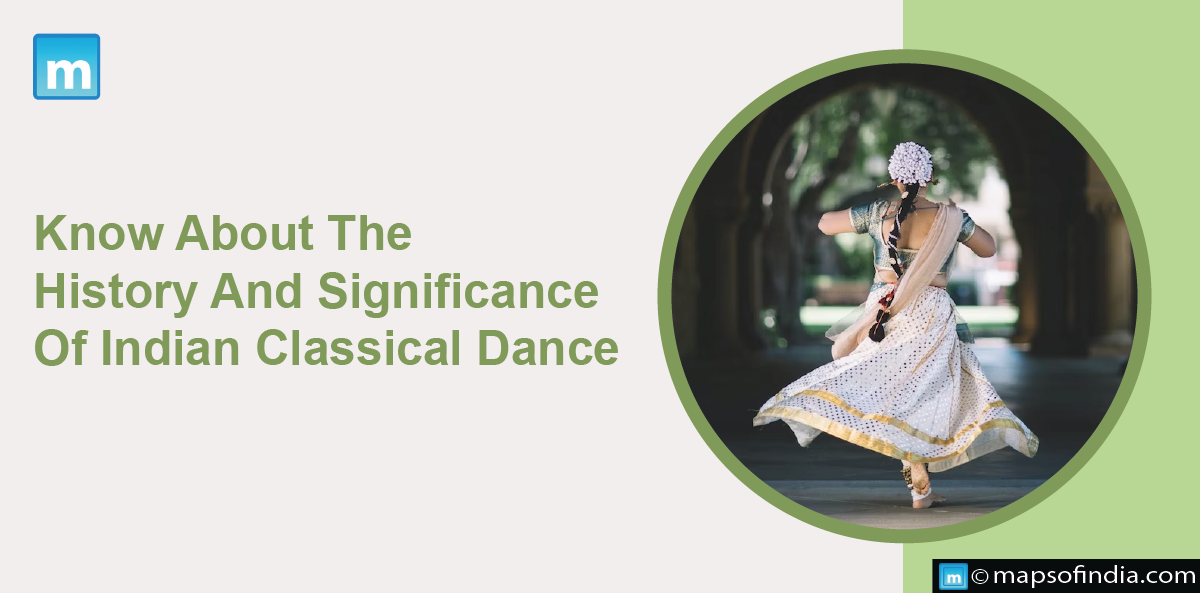
- Indian classical dance is based on the concept of Abhinaya, which means "expression". Dancers use their bodies, facial expressions, and hand gestures to express various emotions, from love to anger to joy.
- Indian classical dance is also based on the concept of nritta, which means "pure dance". This is the technical aspect of dance, which includes footwork, acrobatics, and intricate hand gestures.
- Indian classical dance is often accompanied by music played on traditional Indian instruments such as the sitar, tabla, and veena.
- Indian classical dance is a sacred art form usually performed in temples and other religious settings. However, it is also enjoyed by people of all faiths and cultures.
History
The history of Indian classical dance can be traced back to ancient times, with references found in various ancient texts and scriptures. The earliest known treatise on dance, the Natya Shastra (combination of abhinaya and nritta), was written by the sage Bharata Muni around the 2nd century BCE to the 2nd century CE. This text laid the foundation for the theory and practice of Indian classical dance, covering aspects like music, movement, emotions, and aesthetics. In the Vedas, there are references to a form of dance called Nritya, performed to worship the gods. Indian classical dance is a form of dance that originated in India. It is a highly stylized and codified form of dance, with each style having unique movements, gestures, and expressions. Indian classical dance is often performed as a religious or spiritual ritual but is also enjoyed as entertainment.Major School of Indian Classical Dance
In the centuries that followed, Indian classical dance developed into several different schools, each with its unique style and technique. The six major schools of Indian classical dance are:- Bharatanatyam: This is the most popular form of Indian classical dance. It originated in Tamil Nadu and is based on the Hindu epics of the Ramayana and the Mahabharata. To tell stories, Bharatanatyam dancers use intricate footwork, graceful hand gestures, and facial expressions.
- Kathak: This form of dance originated in the state of Uttar Pradesh and is influenced by the Muslim culture of the region. Kathak dancers use rapid footwork, spins, and acrobatics to tell stories from the Hindu epics and the Sufi tradition.
- Kathakali: This is a dance-drama from the state of Kerala. It is a highly stylized dance form with elaborate costumes, masks, and makeup. Dancers in Kathakali perform narratives from Hindu epics and Puranas.
- Mohiniyattam: This dance from the state of Kerala is dedicated to the Hindu goddess Vishnu. Mohiniyattam dancers use graceful movements and hand gestures to tell stories about the goddess.
- Kuchipudi: This dance from the state of Andhra Pradesh is based on the Hindu epics and Puranas. Kuchipudi dancers use intricate footwork, acrobatics, and facial expressions to tell stories.
- Odissi: This dance from the state of Odisha is based on the Hindu goddesses Lakshmi and Saraswati. Odissi dancers use graceful movements and hand gestures to tell stories about the goddesses.