The History of Shaniwar Wada
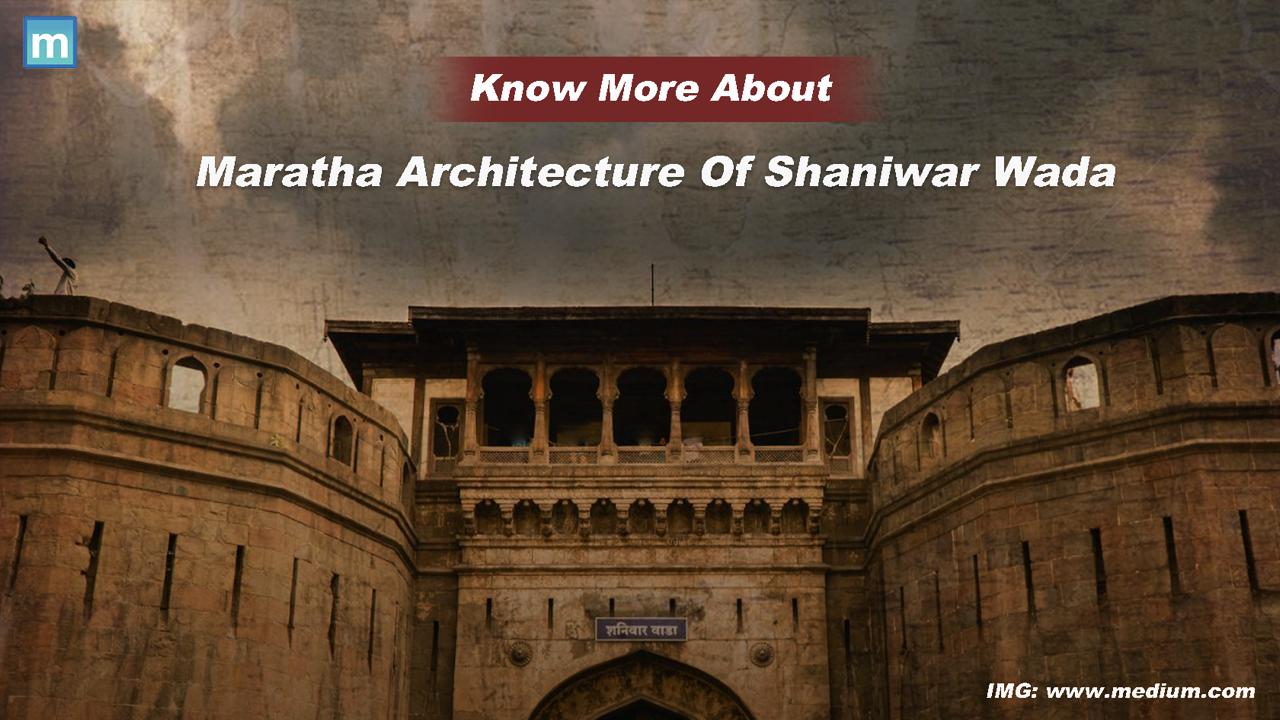
Shaniwar Wada was Constructed between 1730 and 1732 and served as the place where the peshwas ruled and lived, but the control was taken by the British East India Company in 1818 after the Third Anglo-Maratha War. The fort has seen many important events, including royal ceremonies and the assassination of Narayan Rao Peshwa in 1773. It is said that he cried for help, and those echoes of cries are still heard in the fort, leaving a haunted reputation of the fort.Architectural Features
Shaniwar Wada is a significant and main example of Maratha architecture, which is beautifully influenced by Mughal and Persian styles. The fort was planned to be seven stories tall, but the plan wasn't successful, and it was ultimately built with only a stone base due to local opposition. The remaining structure was made of bricks and was mostly destroyed in a fire in 1828 The fort is known for its big stone walls, which are about 5 meters high and 3 meters thick. There are five main gates, each with its significance and charm. The five gates are:- The Dilli Darwaza is the most giant gate of all and faces north. It is covered with beautiful ancient writing or designs and has spikes to protect the fort against elephants.
- The Mastani Darwaja: It is also known as Alibahadur Darwaja. This gate was named after Mastani, the second wife of Peshwa Baji Rao 1. It is said that she used this gate to enter and leave the fort.
- Khidki Darwaja: The Khidki Nawaz was unique because it was designed like a window and used to observe the outside activities while staying inside the fort.
- The Ganesh Darwaja was named after the Hindu god Ganesha and was mainly used by the royal family women to visit the nearby Kasba Ganpati temple.
- The Narayan Darwaja is also known as Jambhuk Darwaza and is infamous and full of sorrows because the body of Peshwa Narayan Rao was taken out of the fort from this gate only.