Ancient Origins: Weaving Through Time
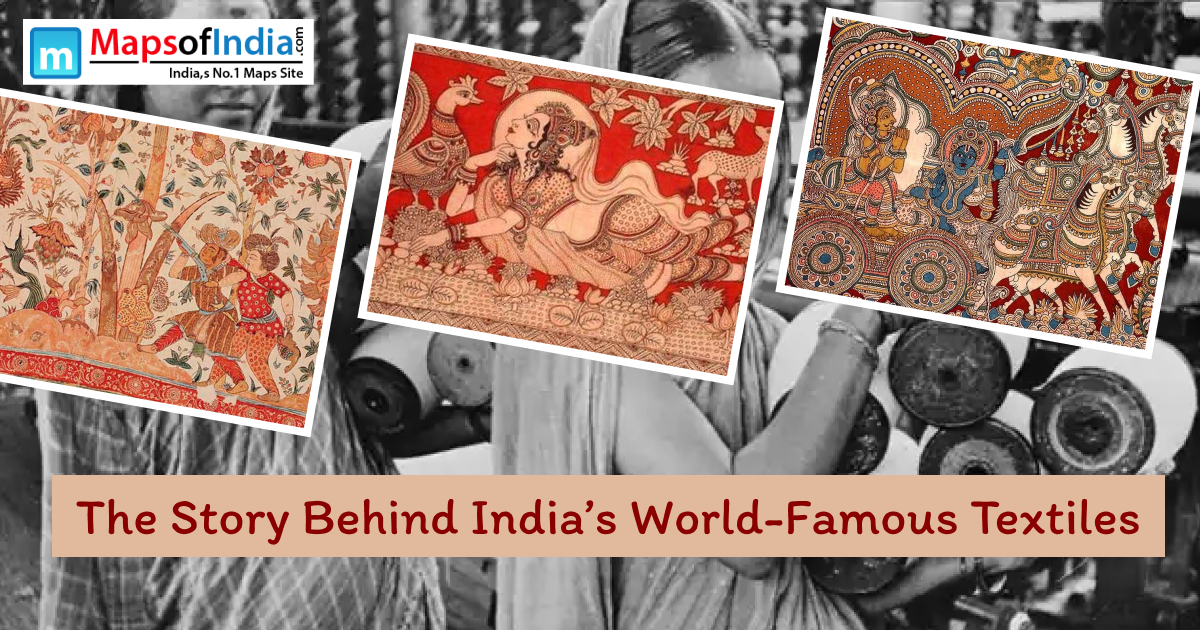
Approximately 2500 BCE, the Indus Valley Civilization gave birth to Indian textiles. Findings such as spindle whorls and dyed cotton show that people in this early culture could spin and weave. The oldest remaining cotton threads from India go back to about 4000 BCE and dyeing of fabrics in the region appears in records from 2500 BCE. Because textiles mattered so much in India, the ancient Greeks and Babylonians called the country 'India' as a synonym for 'cotton'. Through this grouping, we see the great influence Indian textiles had in early global and cultural trade.Regional Diversity: A Kaleidoscope of Traditions
Because India is home to so many diverse cultural groups, there are several regional variations in the techniques used to create textiles and their designs:- Gujarat: Gujarat has long been a major player in the textile industry and is famous for its vibrant Bandhani and intricate Patola weaves.
- Andhra Pradesh: The state is renowned for its Pochampalli ikat and Telia Rumal textiles which include geometric shapes and bright colors.
- West Bengal: The fine Jamdani muslin is made by weaving floral and geometric patterns into cotton thread.
- Tamil Nadu: The silk sarees produced in Tamil Nadu’s Kanchipuram are renowned for displaying multiple rich colors, along with gold-threaded borders.
- Kashmir: There, Pashmina shawls are made from the superfine wool of Himalayan goats and are considered a luxury.