A Journey Through Time: Unveiling the Origins
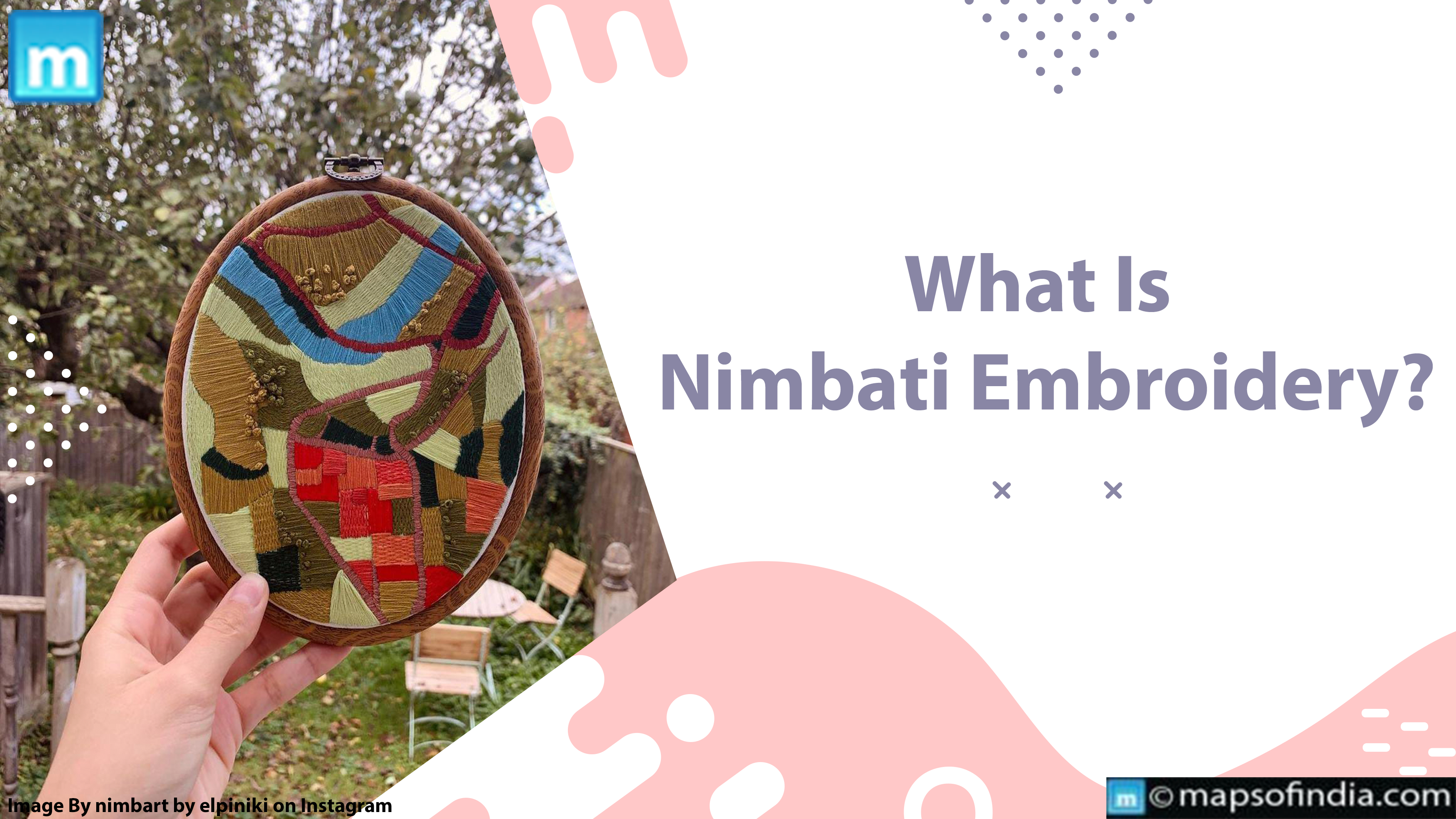
The exact origins of Nimbati embroidery remain shrouded in the mists of time. However, historical evidence suggests it flourished during the Mughal era (16th-19th centuries) under the patronage of royal courts. The name "Nimbati" is derived from the Hindi word "nimboo," meaning lemon, likely due to the extensive use of yellow silk threads in the early days. Initially practised by the Khatri community in the Barmer district, Rajasthan, Nimbati embroidery served as a form of artistic expression and adorned the attire of royalty and nobility. Over time, the craft transcended social boundaries and found favor among the masses. Today, Nimbati embroidery continues to be practiced in villages like Barmer, Chohtan, and Siwan, and it has been passed down through generations within families.A Labor of Love: Unveiling the Techniques
Nimbati embroidery is a meticulous and time-consuming process that demands exceptional skill and dedication. Here's a glimpse into the key techniques involved:- Fabric Selection: Traditionally, pure silk was the preferred fabric. Today, cotton and a blend of silk and cotton are also used.
- Base Preparation: The fabric is starched to provide stiffness and allow for the creation of intricate designs.
- Pattern Tracing: Skilled artisans meticulously transfer intricate floral or geometric patterns onto the fabric using tracing paper or traditional methods.
Techniques
- Chain Stitch: The foundation of Nimbati embroidery, creating the design outline.
- Filling Stitches: Various filling stitches, such as satin stitch, long and short stitch, and herringbone stitch, are employed to create a rich texture and vibrant colours.
- Zardozi Work: Involves using metallic threads like gold and silver, adding a touch of opulence to the embroidery.
A Tapestry of Colors and Motifs
Nimbati embroidery boasts a captivating blend of colours and motifs that reflect the vibrancy of Rajasthani culture.- Color Palette: Traditionally, vibrant colors like red, yellow, green, and blue dominated the craft. Modern renditions may incorporate a wider range of colors.
- Motifs: Floral patterns like paisleys, creepers, and lotus buds are prominent. Geometric designs like squares, triangles, and interlacing lines also feature.