A Celebration of Shakti: Gauri and the Power of the Goddess
The name Gangaur itself holds the key to the festival's significance. "Gan" refers to Lord Shiva, and "Gaur" is an alternate name for Goddess Parvati, his consort. The festival honours Gauri, a manifestation of Shakti, the embodiment of feminine power and divine energy. For the women of Rajasthan, Gangaur is a time to seek blessings for a happy married life, the well-being of their husbands, and the promise of a good husband for the unmarried. It celebrates the ideal union between Shiva and Parvati, symbolizing marital harmony and love.A Time of Rituals and Revelry: Observances During Gangaur
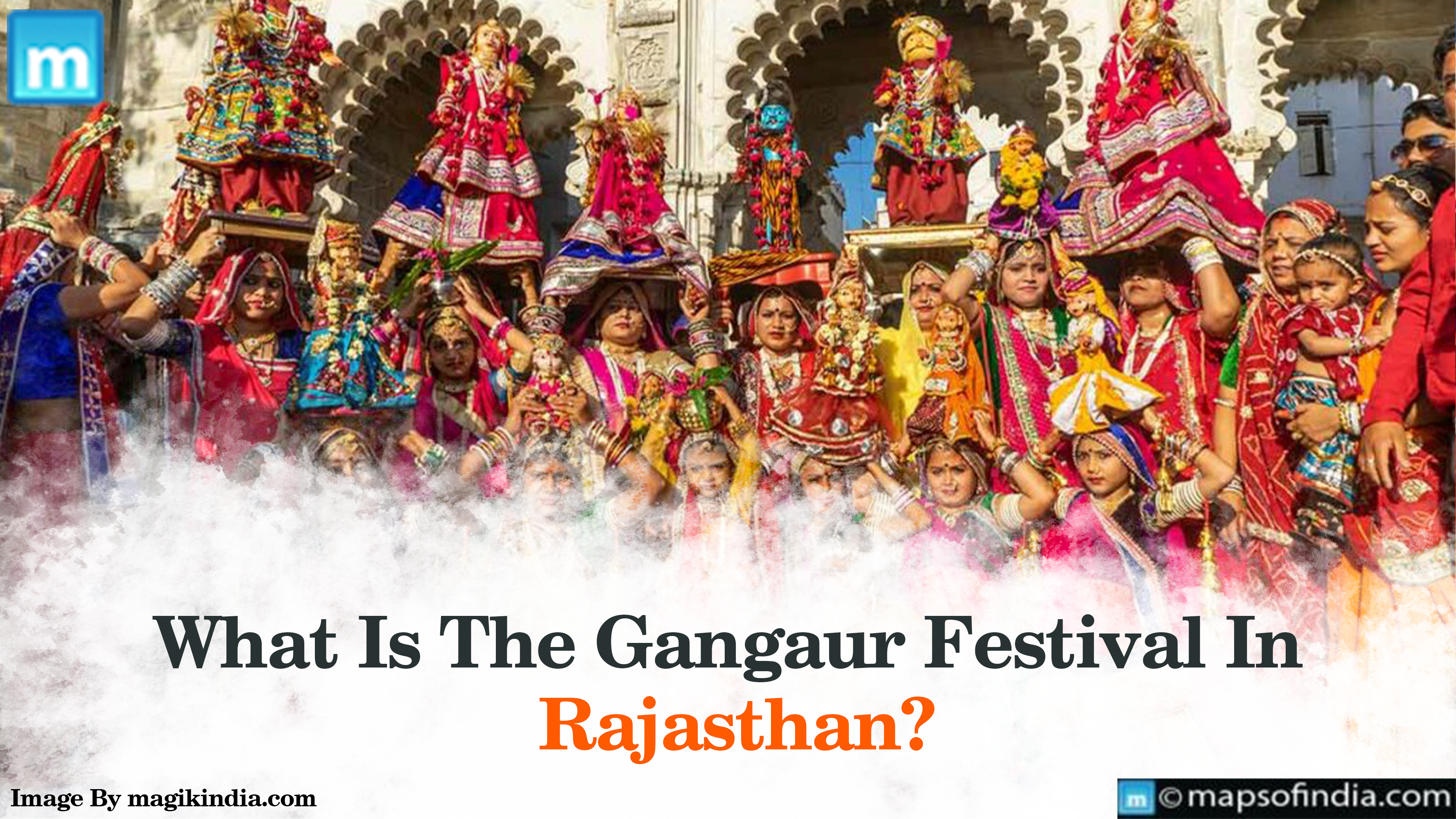
Gangaur falls in the Hindu month of Chaitra, typically between March and April. The festivities begin the day after Holi and extend for 16 to 18 days.- Devotional Observances: At the festival's heart lies the worship of clay idols of Gauri, adorned with vibrant clothes and jewellery. These idols are brought home with much fanfare and become the centre of daily prayers and offerings throughout the festival. Unmarried girls often observe a strict fast during this period, consuming only one meal a day.
- A Feast for the Senses: Gangaur Processions and Fairs: Gangaur is not just about piety; it's a celebration of life and community. The streets come alive with colourful processions. Women dressed in their finest attire carry the idols of Gauri on their heads, accompanied by soulful music and vibrant dance performances.