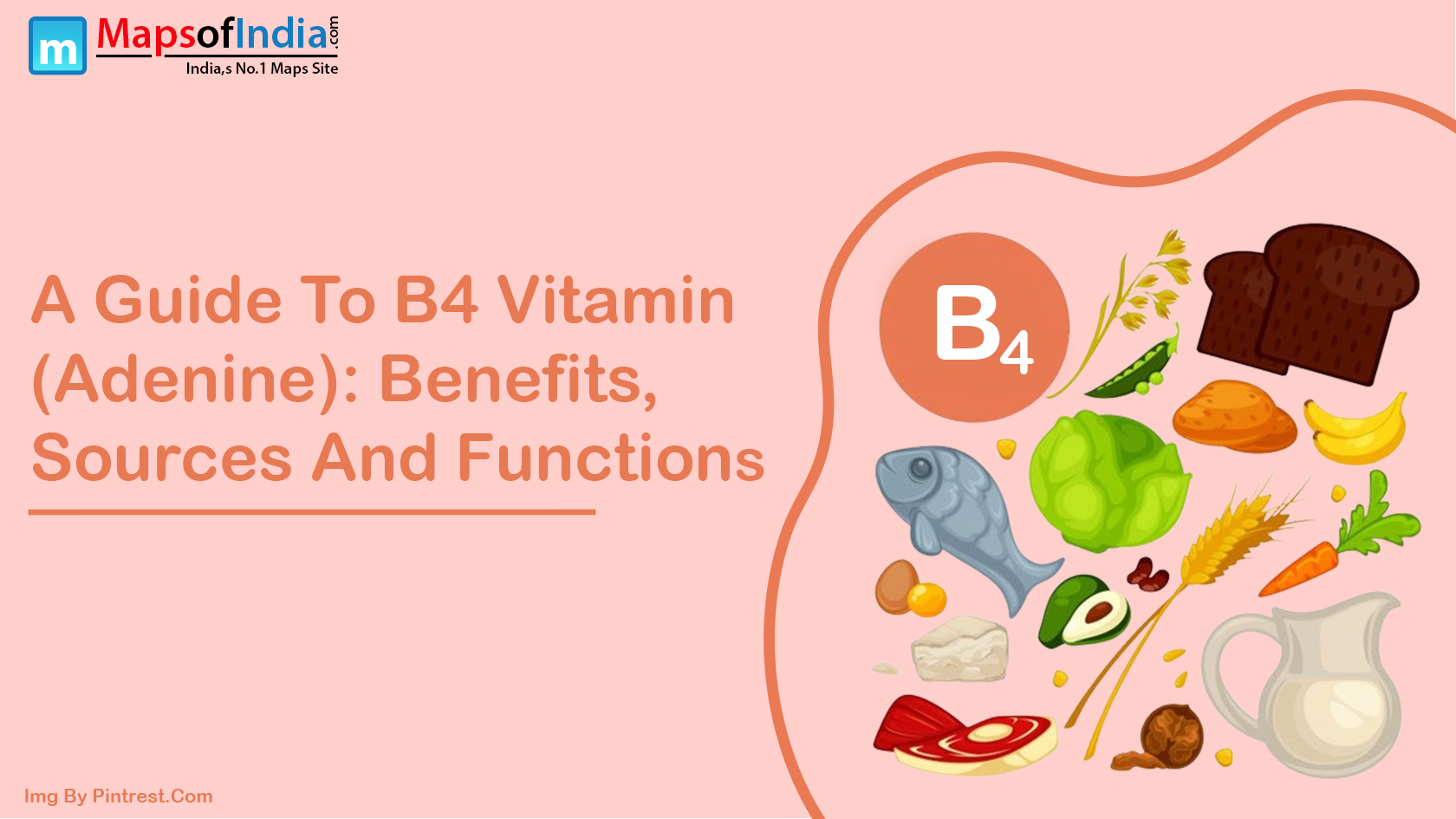
What is B4 Vitamin (Adenine)?
Adenine, otherwise known as Vitamin B4, is the purine base of nucleic acids DNA and RNA. The four nucleotide bases of DNA include cytosine, guanine, and thymine. In RNA, thymine is substituted by uracil, but Adenine is critical. Adenine is crucial in energy production and cellular metabolism because it is a starting point for many important biological molecules. Although sometimes described as a vitamin, Adenine does not fit within the categories established for that group of molecules. Nevertheless, Adenine is crucial in biological systems, especially for energy transfer and genetic regulation, because it is a constitutive requirement for health and overall well-being.How Adenine Acts in the Body?
Adenine forms nucleic acids. It is also a constituent of adenosine triphosphate, often called the "energy currency" of cells. Cells use this to store and transfer energy. Without enough adenine, adequate ATP production would be impossible, compromising the energy balance in the body and causing tiredness and decreased cellular function. In addition to synthesising ATP, Adenine is involved in the following critical processes:-
DNA and RNA synthesis
-
Cellular Respiration
-
Energy Metabolism
-
Signal Transduction
Health Benefits of Adenine
While the body itself might synthesise Adenine, proper dietary supplementation or intake can help promote several health benefits:-
Increase Energy Levels
-
Improved Mental Capabilities
-
Cellular Repair and Growth
-
Support to Immune System
Natural Sources of B4 Vitamin (Adenine)
The many dietary sources in which Adenine is found mostly involve natural sources of nucleic acids. Still, most people have a satisfactory level of adenine synthesis within the body. Some of the foods that can be included in the diet to promote good health are the following:-
Meat and Poultry
-
Fish
-
Eggs
-
Dairy Products
-
Legumes