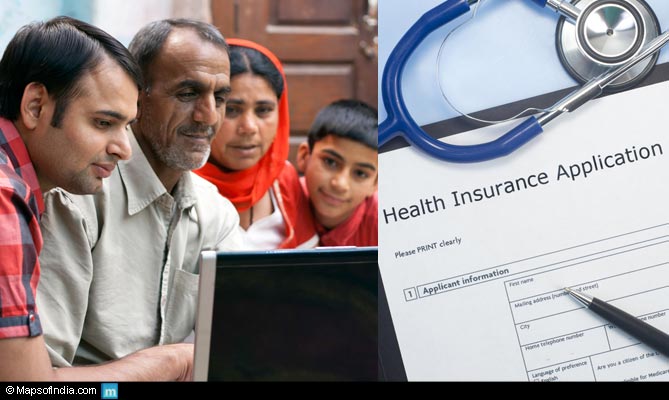
 India is the 10th largest economy in the world, and the 3rd largest in terms of purchasing power. These figures portray a very optimistic picture. But a recent study by the Planning Commission in 2012 (Tendulkar Committee) shows that people below poverty line in India amount to 250 million, with 200 million living in the rural areas. The picture gets even more dismal with the fact that according to the new methodology of the World Bank in 2014, of 872.3 million people below poverty line in the world, 179.6 million people came from India. India contributes towards 17.5 per cent of total world’s population and had a share of 20.6 per cent of the world’s poorest in 2013. In short, poverty is very much a reality in India, which needs to be addressed in relation to many issues. One of the main issues is the health insurance.
Health of the poor
Lack of adequate housing and sanitary facilities, along with other factors, including factors relating to work, habits, lifestyles, lack of nutritious food, etc. result in the poor falling prey to many diseases and disability. Apart from diseases related to lack of sanitation like diarrhoea, malaria, dengue, and work related diseases and disabilities like asthma, lack of nutritious food causing malnutrition, non-communicable diseases (NCDs) like diabetes, heart problems, cancer etc. are as much prevalent among the poor as the rich. In many cases, the poor just do not know it, and even if they are in discomfort, the expensive hospitalization and prescriptions deter them from seeking medical attention.
Awareness about health insurance
The stage of development of health insurance in India may be described as at an embryonic stage, with the poor unaware of it, and thus not taking advantage of the same. Some of the reasons for this state of unawareness among the poor are:
India is the 10th largest economy in the world, and the 3rd largest in terms of purchasing power. These figures portray a very optimistic picture. But a recent study by the Planning Commission in 2012 (Tendulkar Committee) shows that people below poverty line in India amount to 250 million, with 200 million living in the rural areas. The picture gets even more dismal with the fact that according to the new methodology of the World Bank in 2014, of 872.3 million people below poverty line in the world, 179.6 million people came from India. India contributes towards 17.5 per cent of total world’s population and had a share of 20.6 per cent of the world’s poorest in 2013. In short, poverty is very much a reality in India, which needs to be addressed in relation to many issues. One of the main issues is the health insurance.
Health of the poor
Lack of adequate housing and sanitary facilities, along with other factors, including factors relating to work, habits, lifestyles, lack of nutritious food, etc. result in the poor falling prey to many diseases and disability. Apart from diseases related to lack of sanitation like diarrhoea, malaria, dengue, and work related diseases and disabilities like asthma, lack of nutritious food causing malnutrition, non-communicable diseases (NCDs) like diabetes, heart problems, cancer etc. are as much prevalent among the poor as the rich. In many cases, the poor just do not know it, and even if they are in discomfort, the expensive hospitalization and prescriptions deter them from seeking medical attention.
Awareness about health insurance
The stage of development of health insurance in India may be described as at an embryonic stage, with the poor unaware of it, and thus not taking advantage of the same. Some of the reasons for this state of unawareness among the poor are:
- Illiteracy. Education is a key factor in influencing the decision to opt for insurance. Absence of the same makes the poor unaware of the advantages of health insurance.
- Lack of information is also a major factor. Financial literacy, and information, both are lacking in the poor.
- At the very onset, the decision to avail insurance is influenced by factors like agents, friends and relatives. With the maximum population of the poor in rural areas, the friends and relatives of the poor are also in a similar situation and thus are not qualified to give advice; and the agents of insurance companies find it difficult to reach the most remote corners to counsel them and thus the rural market remains untapped.
- A family below poverty line, which is already struggling to put food on the table, has a different set of priorities, and misinformation that they have to pay the entire amount of premium also keeps them away from insurance policies.
- Already under the burden of loans, the poor do not understand the merits of the credit policy, and believe it will further make them indebted.
- A good understanding of what people think about insurance as a concept;
- Educating people about various aspects of insurance of which they are unaware.