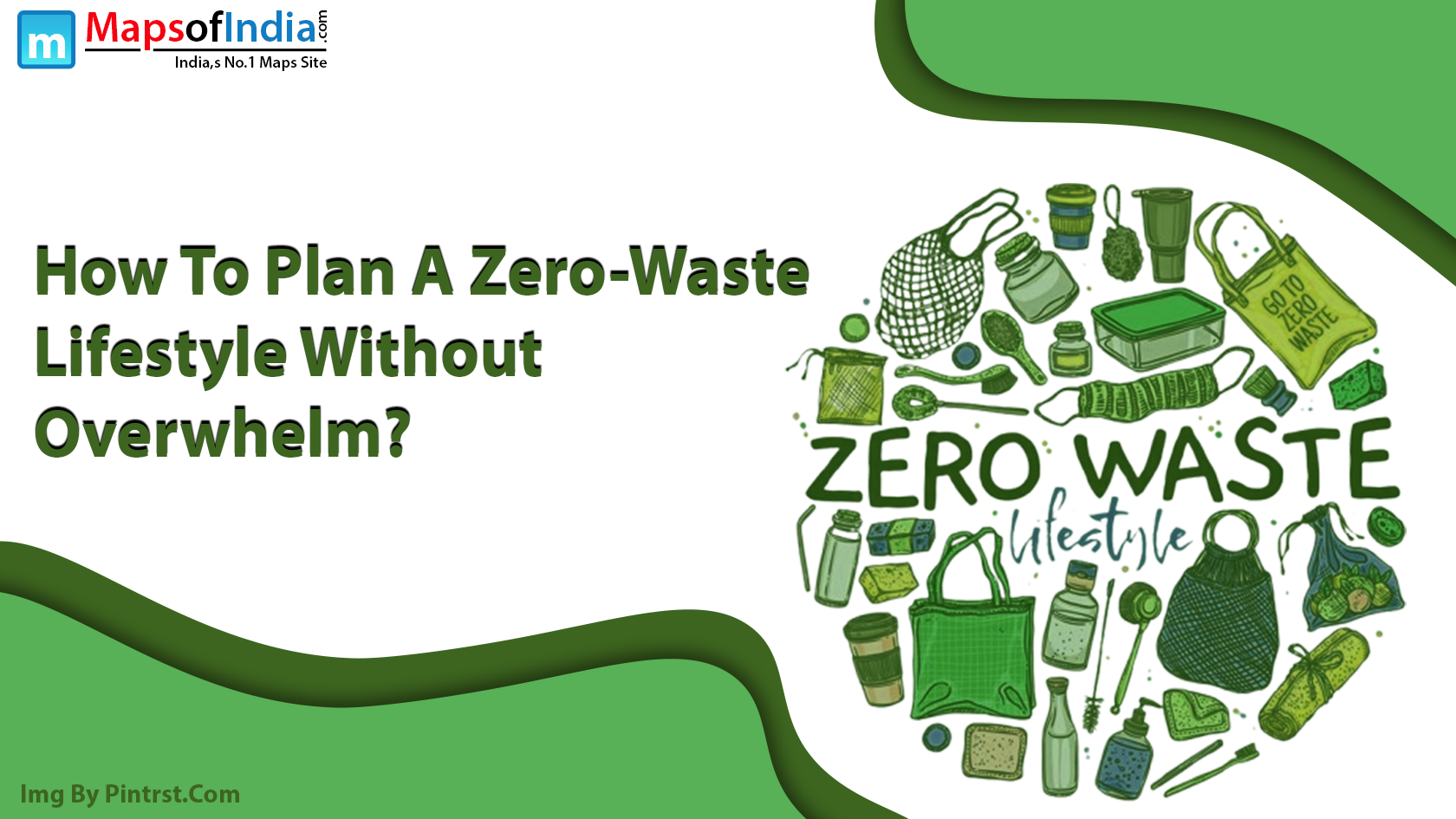
What is a Zero-Waste Lifestyle?
The zero-waste lifestyle focuses on waste avoidance, utilising sustainable practices through reuse, recycling, composting, and reducing consumption. Therefore, as few materials as possible should be directed into landfills, thereby applying the circular approach through the reuse and circulation of materials. Rather than striving for perfection, the heart of zero waste is progress—any step counts, whether replacing single-use items, repurposing existing materials or supporting eco-friendly businesses.Why Go Zero-Waste?
Living a zero-waste lifestyle profoundly impacts individuals, communities, and the planet. Here are some of the key benefits:- Environmental Impact: Reduced waste prevents pollution, conserves natural resources, and helps mitigate climate change by lowering greenhouse gas emissions.
- Economic Savings: Reusable products are costly in the short term but save money more than one-time-use items.
- Increased Quality of Life: Pursuing a minimal life requires mindfulness and a closer understanding of what one does and the implications of such action.
- Contribution to Society: Encouraging zero waste means a sustainable life that influences one's neighbourhood communities.
How to Go Zero-Waste?
Assess Your Current Waste Habits
Start by conducting a waste audit. Examine the trash you generate daily or weekly to identify areas of improvement. Common sources of waste include plastic packaging, disposable items, and food scraps. Understanding your habits will help you prioritise changes that make the most impact. Example: If you frequently dispose of plastic water bottles, consider investing in a reusable stainless steel bottle.Set Realistic Goals
Zero waste is a gradual process. The journey becomes more manageable if small, achievable goals are set. Start by focusing on one aspect of your lifestyle, such as reducing kitchen waste or eliminating single-use plastics.Short-Term Goals:
- Carry reusable bags and bottles.
- Avoid purchasing individually wrapped items.
Long-Term Goals:
- Transition to bulk shopping.
- Compost organic waste regularly.
Use Reusable Alternatives
The core of zero-waste living is replacing disposable items with reusable options. Here are some easy swaps:- Water Bottles: Replace plastic bottles with reusable ones made of stainless steel or glass.
- Grocery Bags: Use cloth or jute bags instead of plastic bags.
- Napkins: Use cloth napkins rather than paper napkins.
- Food Storage: Use glass containers and beeswax wraps to store leftovers.
Shop Mindfully
Consciously buying reduces waste in the long term. Opt for quality over quantity and promote companies that sell eco-friendly goods.- Buy in Bulk: Use your containers to buy bulk grains, beans, and spices.
- Avoid Over-Packaging: Choose items that have minimal or biodegradable packaging.
- Choose Secondhand: Thrift stores and online marketplaces are perfect places to find clothes, furniture, and household items.
Compost Organic Waste
Food scraps and yard waste can comprise a significant portion of household trash. Composting is an effective way to reduce this waste while creating nutrient-rich soil for gardening. Start small with a compost bin or pile in your backyard, or use indoor composters if space is limited. Compostable Items Include:- Fruit and vegetable peels
- Coffee grounds
- Eggshells
- Yard trimmings
Upcycle and Repurpose
Instead of throwing things away, find ways to give them new life. Upcycling not only reduces waste but also gives your possessions a personal touch. Examples- Use glass jars as planters or storage containers
- Use old T-shirts as cleaning rags
Adopt Digital Alternatives
Zero-waste living also entails reducing paper waste. Where possible, opt for digital alternatives:- Go for electronic billing and statements.
- Read eBooks or borrow from libraries instead of buying new books.
- Replace paper planners with digital calendars and apps.
Overcoming Challenges in Zero-Waste Living
Transitioning to zero waste may come with obstacles, but these can be addressed with patience and persistence.-
Initial Costs
-
Breaking Old Habits
-
Lack of Resources
Community and Business Involvement
The communities and businesses are actively involved in promoting zero-waste living:- Community Initiatives: Local zero-waste groups, swap meets, and repair cafes encourage resource sharing and reduce waste collectively.
- Business Practices: Most companies are adopting sustainable practices, such as offering refill stations, biodegradable packaging, and take-back programs for used products.
Practical Tips to Stay the Course
A zero-waste lifestyle requires motivation and creativity. Here are some tips to stay on track:- Track Your Progress: Celebrate small wins, like reducing your weekly trash.
- Educate Yourself: Stay informed about zero-waste practices and innovations.
- Involve Others: Share your journey with family and friends to inspire collective action.
- Be Flexible: Do not strive for perfection. Even small efforts contribute to a more significant impact.