Ancient Beginnings: Dance as a Spiritual Offering
Those who wrote the Natyashastra, around 200 BCE to 200 CE, are said to be the oldest source for information on dance in India. It set the base for all classical dance styles by defining the rules for movement, expression and music. The Natyashastra holds that dance was not just an artistic act, but an offering to the gods, meant to develop a true bond between actors and viewers. Dance was important at religious ceremonies in every temple in India. Women in the Devadasi practice lived to dance and serve their spiritual leaders, and this tradition peaked in the era. Carvings from the Chola and Pallava dynasties in Tamil Nadu illustrate that dance was important, by showing elaborate scenes of gods and singers dancing and playing instruments.The Rise of Regional Styles: Diversity in Unity
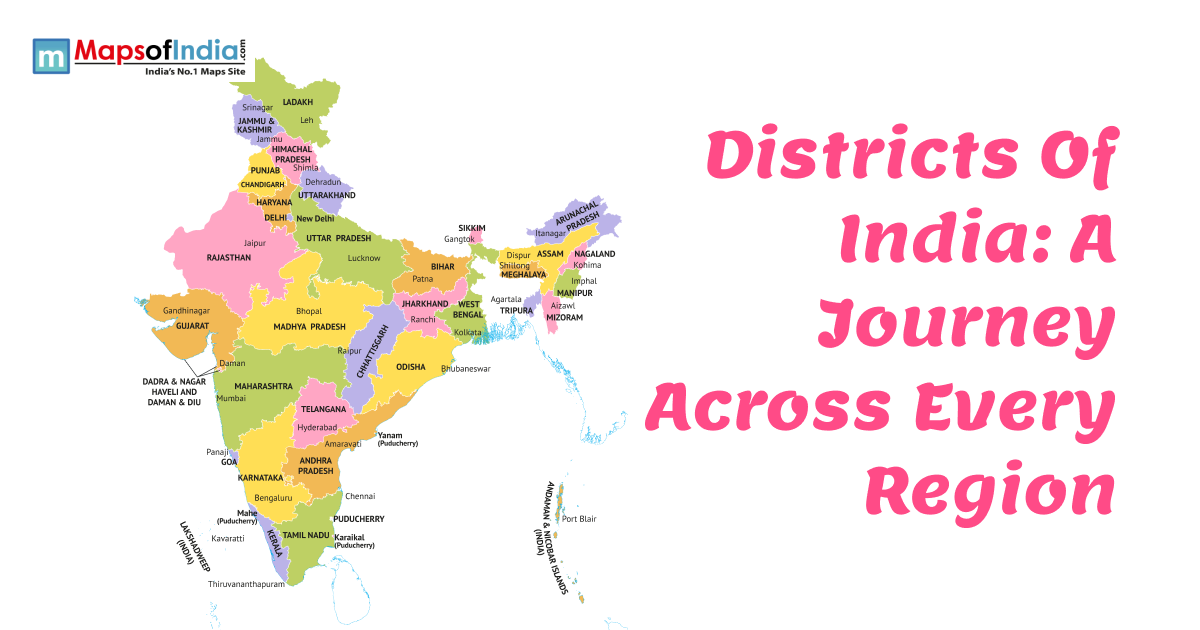
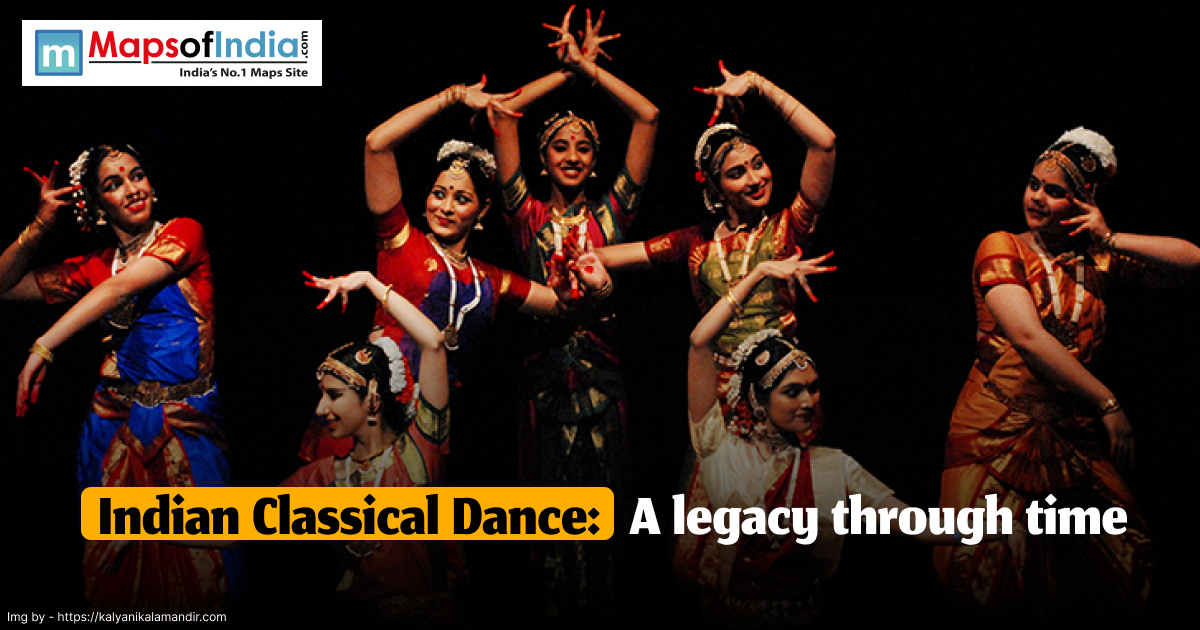
As India changed culturally, distinctive dance forms appeared in most regions, shaped by the unique traditions there.- Bharatanatyam, from Tamil Nadu is marked by how accurate and geometric the movements are, the various expressive facial gestures and quick footwork. It started with the ancient Devadasi tradition and later became a structured, solo way of dancing.
- Kathak, which was most popular among royal courts in North India and especially under Mughal rule, mixes storytelling with complex twists and steps. Persian traditions can be seen in its ballet’s nice postures and complex patterns.
- Odissi, from Odisha, gets its trademark body and position ideas from the Konark and Puri temple style.
- Originally, men from the Brahman caste in Andhra Pradesh represented the dance-drama called Kuchipudi, but over time, it became a mixture of masculine power and feminine elegance performed by solo dancers.
- The dance-drama Kathakali, from Kerala, is distinguished by its elaborate makeup, bright costumes and bigger-than-life characters based on the epics.
- The Manipur region’s religiosity is seen in Manipuri, where soft and graceful circular movements play a main role.
- Mohiniyattam is famous for its graceful, fluid movements and lovely feminine appeal which both distinguish it and make it unique.