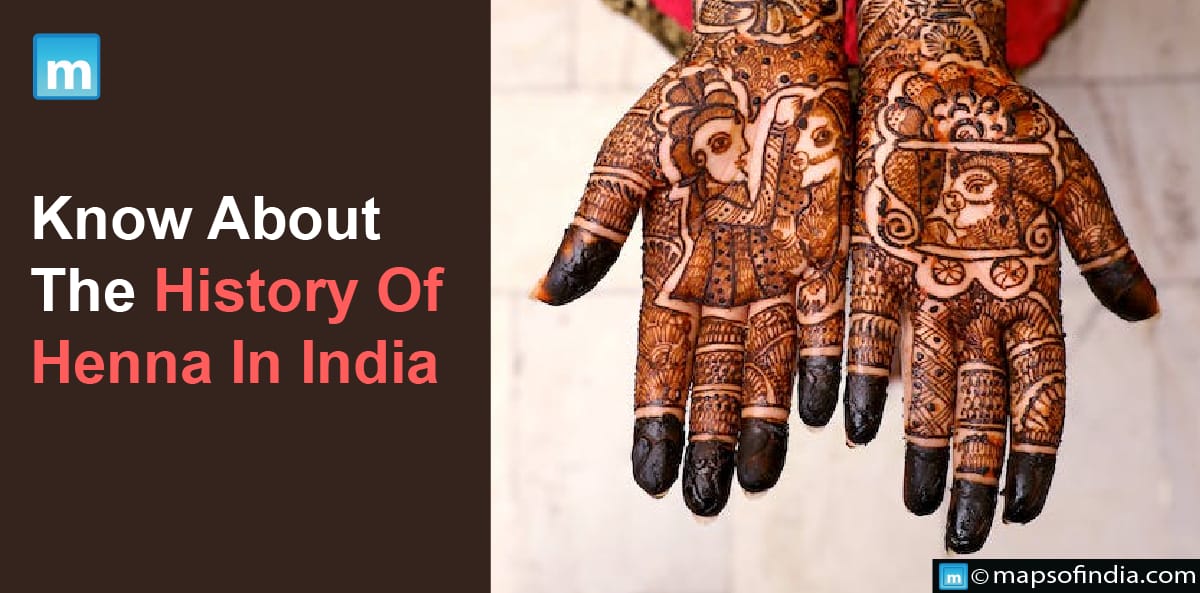
Cultural Significance of Henna
- Traditional Indian Weddings: Henna is one of the most well-known decorations used at weddings in India. Mehndi, a time-honoured practice that denotes joy, beauty, and the link between the pair, is the application of elaborate henna drawings on the bride's hands and feet.
- Festivals & Celebrations: Henna is crucial to several Indian holidays, including Diwali and Eid. It is used on women's hands and feet as jewellery, representing joy and success.
- Medical Use: Henna has long been utilised for its medicinal benefits. It is a crucial component of Ayurvedic therapy since it is thought to have cooling and relaxing properties.
The Mughal Period
Henna gained popularity during the Mughal Empire's control over India from the early 16th century to the mid-18th century. The art of mehendi was embraced by Mughal emperors and royalty, who made it popular among the affluent classes. Intricate henna designs were applied as a form of self-expression and for celebrations.Process of Making Henna
- Henna leaves are typically harvested from the Henna plant at the beginning of the procedure. To make henna powder, these leaves are usually dried and pulverised.
- Henna leaves that have just been collected are left to dry in the sun before being ground. Using a mortar and pestle or mechanical grinders, they are crushed into a fine powder after drying.
- Henna is frequently sifted through a small mesh or cloth to get a smooth and fine powder by removing large particles or contaminants.
- A paste is made by combining henna powder with a liquid. Water is the most typical liquid, although other components like lemon juice, tea, or essential oils may be added to improve colour and aroma. The mixture is mixed until it has a consistency similar to yoghurt.
- Following mixing, the henna paste is let to sit for a few hours or overnight. The pigment molecules in the Henna might release and grow more potent during this resting period.
- Some henna artists strain the paste through a fine cloth or nylon stocking to achieve a smoother consistency and eliminate any last bits of paste.
- The finished henna paste is then placed into plastic bags or applicator cones, each with a small hole at the tip. These cones or bags apply henna designs to the skin or hair precisely.