Deeply Rooted Faith
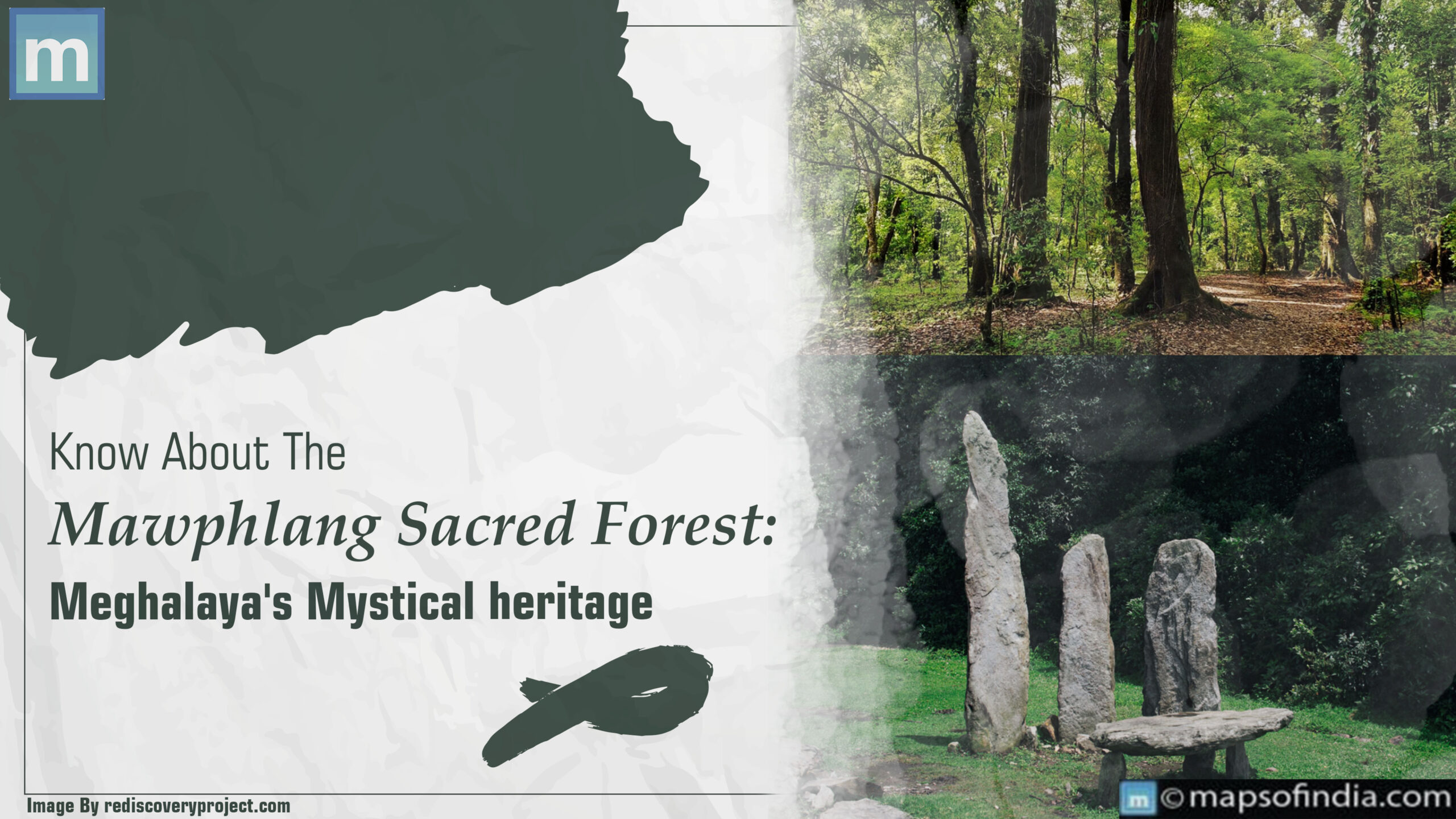
For centuries, the Khasi people of Meghalaya have considered Mawphlang Sacred Forest a place of great importance. They believe Labasa, a powerful deity, resides there. Because of this belief, they follow strict rules: taking anything from the forest, even a leaf or a twig is seen as disrespectful to Labasa and can lead to bad luck. This strong faith has been vital in keeping Mawphlang's beauty intact across generations.A Symphony of Biodiversity
- When you step into Mawphlang, you'll encounter a vibrant diversity of life. The forest hosts more than 450 trees, plants, and animals. Towering trees, some aged hundreds of years, form a natural canopy with intertwined branches, filtering sunlight onto the moss-covered ground below. The air is alive with the calls of birds hidden from sight, and occasional rustles hint at the presence of elusive creatures like clouded leopards, monkeys, deer, and various frogs.
- Mawphlang isn't a single entity but is divided into three distinct sections, each serving its purpose.
- Phiephandi: This central area is the most sacred, where the Lyngdoh clan performs religious rituals.
- Laittyrkhang: Located near the village, it acts as a buffer zone protecting the core forest from disturbances.
- Law Nongkynrih: Positioned on the opposite side, it plays a crucial role in the ecosystem.