Following are the other types of floods
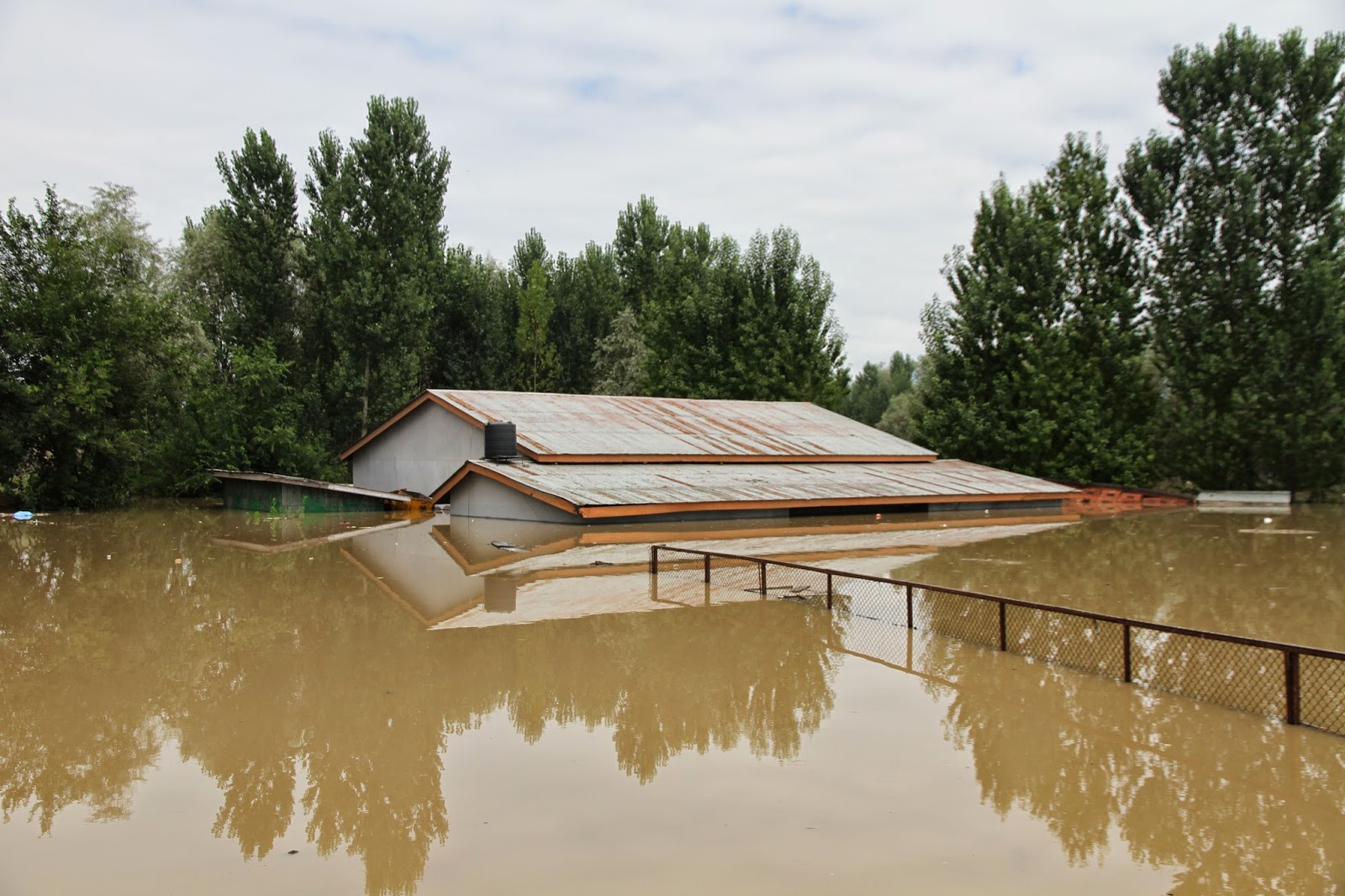
- River floods (Fluvial floods): This takes place when the water level in a river, lake or stream increases and overflows onto the sides of shores, banks and neighboring land. The water level increase could be due to massive rain or snowmelt. The damage from a river flood can be immense as the overflow impacts smaller rivers downstream, which can cause dams and dikes to shatter and swamp adjoining areas. It rarely results in loss of lives but can have significant economic damage. It takes past precipitation, forecasted precipitation, current river and soil levels into account to assess the probability of river flooding.
- Coastal floods: These are also known as storm surge where inundation of land areas occurs beside the coast by seawater. These are caused by extreme windstorm events happening when high tides and tsunamis remain active. It comes into existence when high winds from a windstorm push water onshore, which is the primary cause of coastal flooding and often the greatest threat connected with a windstorm. The effects rise considering the tide - windstorms that take place during high tide result in extreme storm surge floods. Water overwhelms low-lying land and frequently causes the loss of life and property in coastal floods. Various factors comprising the speed, strength, size and direction of the windstorm assess the magnitude of a coastal flood. The onshore and offshore topography play a key role by evaluating the probability and severity of a storm surge.