Understanding Body Image
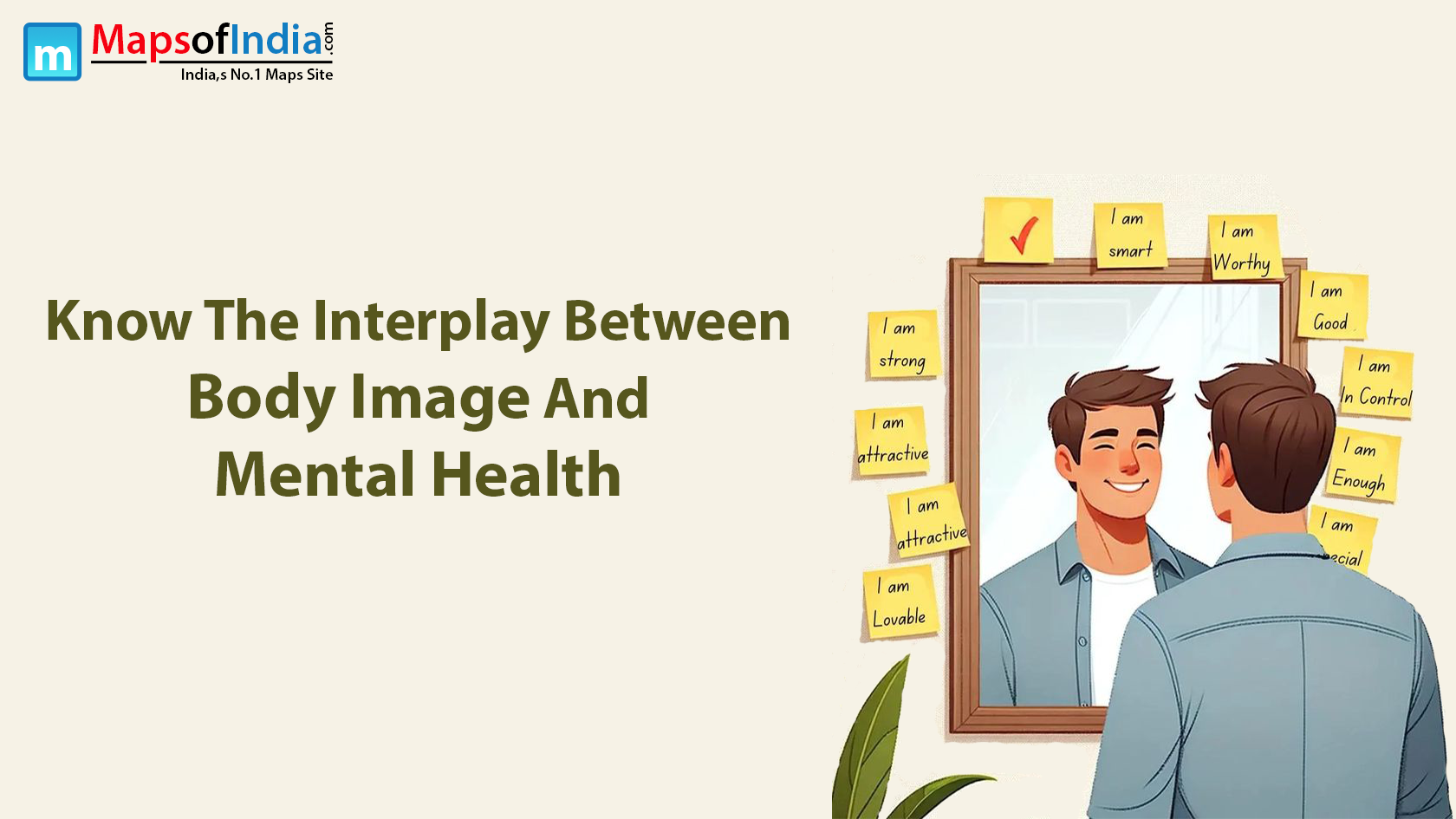
Understanding body image is essential because it helps us identify how we perceive ourselves and how this impacts our mental health. Body image refers to our thoughts and feelings about our physical appearance when we look at a mirror or reflect on ourselves. This perception can be affected by societal standards, media, and subjective or personal experiences. As mentioned above, body image can be positive or negative. Positive body image is characterised by the appreciation of one’s own body. The physical attributes are immaterial here. This leads to the person feeling more positive, supporting his/her mental health. On the contrary, negative body image is characterised by dissatisfaction with one's body and appearance. The person might compare themselves with others or feel embarrassed or uncomfortable with their body. This leads to a negative connotation of oneself. Ultimately, this hampers the well-being of the individual and further deteriorates mental health. People may struggle with their body image, leading to diverse emotional responses that can directly or indirectly impact mental health. What we need to understand is that body image is not solely dependent on physical appearance but also on the emotional responses given to that. People with a positive body image tend to experience better self-esteem and resilience. At the same time, people having negative perceptions may think the contrary, which can directly impact their mental health. So, understanding body image has to be done as a whole, and the focus should not only be on a single aspect.Factors Influencing Body Image
-
Media Influence
-
Friends and Family Dynamic
-
Personal Experiences and Psychological Factors
-
Consequences of Negative Body Image
-
Positive Body Image and Mental Health