Origins and Historical Context
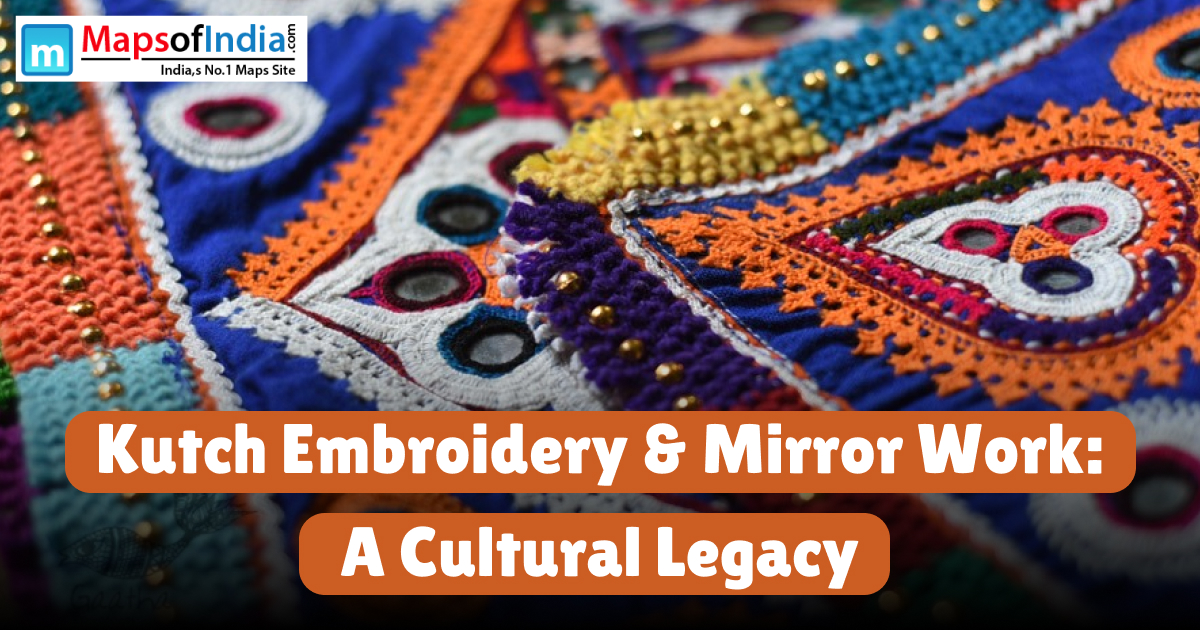
The Rabari, Ahir, Sindhi and Jat tribes’ migration influenced the development of Kutch embroidery which began several generations past. Their special techniques and motifs combined over the years to shape the quilt styles that are famous today. Originally, embroidery was an everyday activity in the home, where women worked on dowry items, useful textiles and things for ceremonies and taught their skills to others. Because the area lies near trade routes, cultural influence from Persia, Mughal and Central Asia has shown up in the embroidery’s design and methods. Because of this fusion, the embroidery craft in Kutch gained a unique style seen today.Distinctive Styles and Techniques
You can see how Kutch embroidery reflects the cultures of its makers through the many ranges of styles:- Suf: Its designs begin with geometrical patterns and use counted thread work to build exact symmetrical shapes that may look like architectural ornaments.
- Khaarek: It is famous for being intricate because of its tight stitches and straight lines which are usually applied everywhere on the fabric.
- Paako: Paako refers to something solid and the embroidery uses small, careful stitches with striking colors that create bold, jutting designs.
- Rabari: The Rabari style is used by the Rabari community; it features mirrors and designs based on their own myths and usual habits, showing their history of migration.
- Ahir: Ahir embroidery which uses flowers and pictures of animals, is often bright and stands out since it has many mirrors and colorful threads, representing their farming way of life.
- Mutwa: This style is particular because of its fine thread work, gentle colors and ornaments made from tiny mirrors.