 As though the dengue, chikungunya and H1N1 outbreaks weren’t enough, now we have to contend with the resurgence of Japanese encephalitis in India. As it is, a recent study conducted by researchers from John Hopkins Bloomberg School of Public Health has concluded that the cases of dengue and chikungunya have been under-reported in India. Last year alone, 1500 cases of Japanese encephalitis were reported in India, particularly in the northeastern states. The cases and deaths due to this form of encephalitis have more than doubled since 2010.
The number of people with variant forms of viral illnesses, which often go unreported and undetected, is difficult to establish. In Bangalore, there have been recent case reports of a type of viral infection that can cause severe joint and muscle pains, temporarily disabling a person.
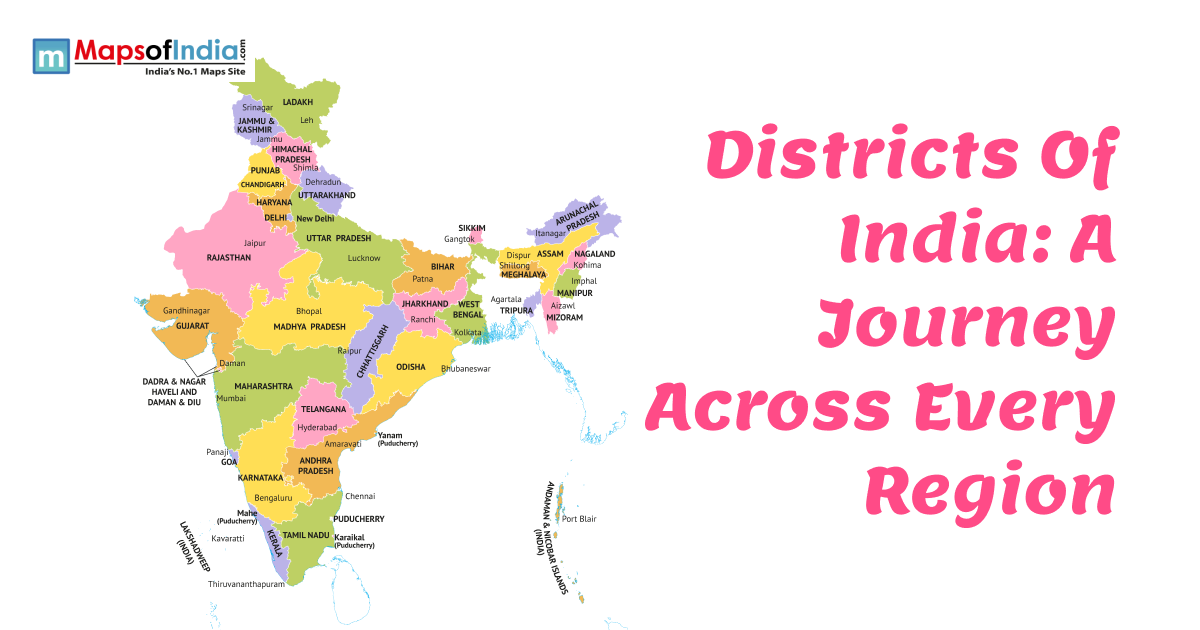
In Kolkata this year, as of 12 July, 21 deaths related to encephalitis have been reported. Last year the toll due to various forms of encephalitis was over 200. On 17 July, a state of high alert was issued by the health authorities in Arunachal Pradesh, where a child has succumbed due to Japanese encephalitis. While in Assam experts believe that a change in weather and a warmer climate have resulted in a five-fold increase in Japanese encephalitis cases over the last five years.
While there is still no reason to panic since the incidence of new cases seems to be confined to one area of the country, in these days of immigration and frequent travel by all modes of transportation, it is vital to be aware of the nature of the illness, as well as the treatment and preventive measures of this deadly condition.
Since it first emerged in the 1870s, the Japanese encephalitis virus, which belongs to the family of flavi viruses, has spread across the Southeast Asian region. Studies indicate that it emerged from the Indonesia-Malaysian region, and has evolved into different genotypes since. It is spread by the Culex mosquito, and the transmission intensifies during the monsoon season. It is no coincidence that the countries in the Southeast Asian region are major rice cultivators, and have huge rural agrarian areas – factors that are associated with the spread of the disease.
As though the dengue, chikungunya and H1N1 outbreaks weren’t enough, now we have to contend with the resurgence of Japanese encephalitis in India. As it is, a recent study conducted by researchers from John Hopkins Bloomberg School of Public Health has concluded that the cases of dengue and chikungunya have been under-reported in India. Last year alone, 1500 cases of Japanese encephalitis were reported in India, particularly in the northeastern states. The cases and deaths due to this form of encephalitis have more than doubled since 2010.
The number of people with variant forms of viral illnesses, which often go unreported and undetected, is difficult to establish. In Bangalore, there have been recent case reports of a type of viral infection that can cause severe joint and muscle pains, temporarily disabling a person.
In Kolkata this year, as of 12 July, 21 deaths related to encephalitis have been reported. Last year the toll due to various forms of encephalitis was over 200. On 17 July, a state of high alert was issued by the health authorities in Arunachal Pradesh, where a child has succumbed due to Japanese encephalitis. While in Assam experts believe that a change in weather and a warmer climate have resulted in a five-fold increase in Japanese encephalitis cases over the last five years.
While there is still no reason to panic since the incidence of new cases seems to be confined to one area of the country, in these days of immigration and frequent travel by all modes of transportation, it is vital to be aware of the nature of the illness, as well as the treatment and preventive measures of this deadly condition.
Since it first emerged in the 1870s, the Japanese encephalitis virus, which belongs to the family of flavi viruses, has spread across the Southeast Asian region. Studies indicate that it emerged from the Indonesia-Malaysian region, and has evolved into different genotypes since. It is spread by the Culex mosquito, and the transmission intensifies during the monsoon season. It is no coincidence that the countries in the Southeast Asian region are major rice cultivators, and have huge rural agrarian areas – factors that are associated with the spread of the disease.
As though the dengue, chikungunya and H1N1 outbreaks weren’t enough, now we have to contend with the resurgence of Japanese encephalitis in India. As it is, a recent study conducted by researchers from John Hopkins Bloomberg School of Public Health has concluded that the cases of dengue and chikungunya have been under-reported in India. Last year alone, 1500 cases of Japanese encephalitis were reported in India, particularly in the northeastern states. The cases and deaths due to this form of encephalitis have more than doubled since 2010.
The number of people with variant forms of viral illnesses, which often go unreported and undetected, is difficult to establish. In Bangalore, there have been recent case reports of a type of viral infection that can cause severe joint and muscle pains, temporarily disabling a person.
In Kolkata this year, as of 12 July, 21 deaths related to encephalitis have been reported. Last year the toll due to various forms of encephalitis was over 200. On 17 July, a state of high alert was issued by the health authorities in Arunachal Pradesh, where a child has succumbed due to Japanese encephalitis. While in Assam experts believe that a change in weather and a warmer climate have resulted in a five-fold increase in Japanese encephalitis cases over the last five years.
While there is still no reason to panic since the incidence of new cases seems to be confined to one area of the country, in these days of immigration and frequent travel by all modes of transportation, it is vital to be aware of the nature of the illness, as well as the treatment and preventive measures of this deadly condition.
Since it first emerged in the 1870s, the Japanese encephalitis virus, which belongs to the family of flavi viruses, has spread across the Southeast Asian region. Studies indicate that it emerged from the Indonesia-Malaysian region, and has evolved into different genotypes since. It is spread by the Culex mosquito, and the transmission intensifies during the monsoon season. It is no coincidence that the countries in the Southeast Asian region are major rice cultivators, and have huge rural agrarian areas – factors that are associated with the spread of the disease.
As though the dengue, chikungunya and H1N1 outbreaks weren’t enough, now we have to contend with the resurgence of Japanese encephalitis in India. As it is, a recent study conducted by researchers from John Hopkins Bloomberg School of Public Health has concluded that the cases of dengue and chikungunya have been under-reported in India. Last year alone, 1500 cases of Japanese encephalitis were reported in India, particularly in the northeastern states. The cases and deaths due to this form of encephalitis have more than doubled since 2010.
The number of people with variant forms of viral illnesses, which often go unreported and undetected, is difficult to establish. In Bangalore, there have been recent case reports of a type of viral infection that can cause severe joint and muscle pains, temporarily disabling a person.
In Kolkata this year, as of 12 July, 21 deaths related to encephalitis have been reported. Last year the toll due to various forms of encephalitis was over 200. On 17 July, a state of high alert was issued by the health authorities in Arunachal Pradesh, where a child has succumbed due to Japanese encephalitis. While in Assam experts believe that a change in weather and a warmer climate have resulted in a five-fold increase in Japanese encephalitis cases over the last five years.
While there is still no reason to panic since the incidence of new cases seems to be confined to one area of the country, in these days of immigration and frequent travel by all modes of transportation, it is vital to be aware of the nature of the illness, as well as the treatment and preventive measures of this deadly condition.
Since it first emerged in the 1870s, the Japanese encephalitis virus, which belongs to the family of flavi viruses, has spread across the Southeast Asian region. Studies indicate that it emerged from the Indonesia-Malaysian region, and has evolved into different genotypes since. It is spread by the Culex mosquito, and the transmission intensifies during the monsoon season. It is no coincidence that the countries in the Southeast Asian region are major rice cultivators, and have huge rural agrarian areas – factors that are associated with the spread of the disease.