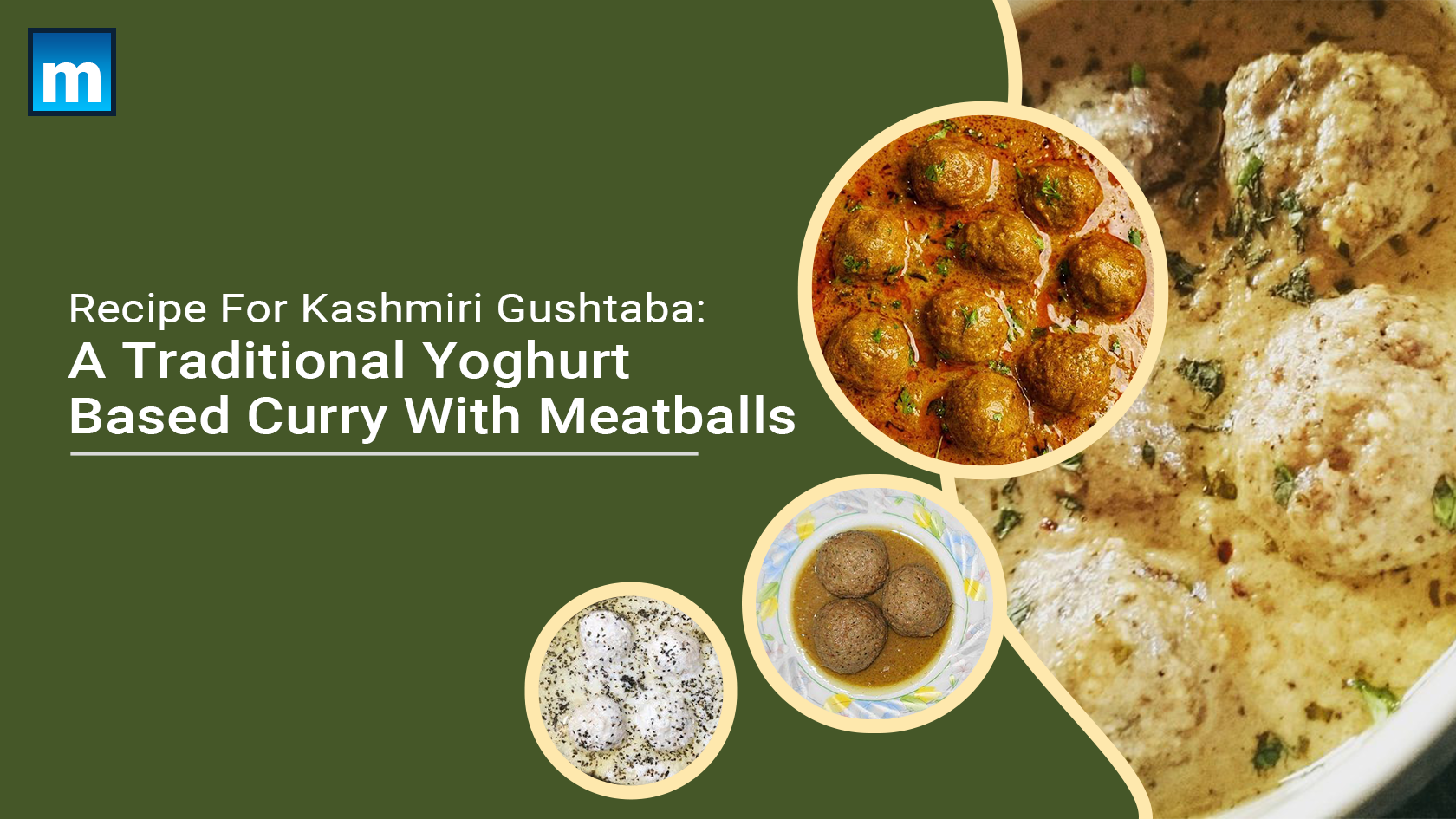
Kashmiri Gustabha
The name "Gushtaba" comes from the Persian word "gusht", which is meat, and "aba", which is gravy. This traditional dish from Kashmir is mainly prepared using mutton, which is chopped finely, and then meatballs are made from it. These meatballs are then gently cooked in a rich, creamy sauce made with yoghurt, resulting in a good-looking and flavorful dish. Gushtaba is usually the last course in a traditional Wazwan meal, a multi-course feast central to Kashmiri cuisine. This dish provides an authentic taste of Kashmiri culture and is renowned for its distinctive and satisfying flavours.Cultural Significance Of Gushtaba
Gushtaba is an important dish in Kashmiri culture. It is made for special events like weddings, festivals, and family gatherings. It shows joy, celebration, and unity. Making Gushtaba is considered a skillful task that requires time and care. In Kashmiri tradition, this dish is usually served at the end of a Wazwan feast, with steamed rice or naan and various other meat and vegetarian dishes. Preparing Gushtaba is a group effort in Kashmiri households, where family members get together to make this particular dish. The process involves careful steps from finely chopping the meat to shaping it into meatballs. The meatballs are then cooked in a yoghurt gravy, which gives the dish its creamy texture and slightly tangy flavour. This combination of rich flavours and communal effort has made Gushtaba a favourite dish for locals and visitors. The dish is not just about the taste but also about the tradition and togetherness it represents in Kashmiri culture.Ingredients
The ingredients used in making Gushtaba are simple but are important to achieve its unique flavour.- Mutton: Mainly lamb or goat meat, finely chopped to create smooth, round meatballs.
- Gravy: Prepared with fresh yoghurt, which adds a creamy texture and a slightly tangy flavour.
- Spices: A blend of black and green cardamom, cloves, fennel seeds, and ginger provides a warm and aromatic taste.
- Cooking Fat: Ghee or butter is incorporated to add richness and depth.
- Garnish: Mint (fresh or dried) is often used as a garnish, offering a refreshing contrast to the rich flavours.
Preparation
- Prepare the Meatballs: Start by finely mincing the mutton. Mix the minced meat with spices and salt, and mix ingredients like an egg. Once well combined, shape the mixture into small meatballs.
- Cook the Meatballs: Boil the prepared meatballs in water until fully cooked. This step ensures that the meatballs become tender and absorb the spices' flavours.
- Make the Gravy: Heat ghee and saute onions in a separate pot until they turn golden brown. Add spices and yoghurt to the pot, stirring constantly to avoid bumps. The aim is to achieve a smooth and creamy gravy.
- Combine: Gently place the cooked meatballs into the pot once the gravy is prepared. Let them mix in the gravy for a while to perfect the flavours.
Tips for Making Authentic Gushtaba
- Select Fresh Ingredients: The overall taste of Gushtaba depends on using fresh meat and yoghurt. Opt for high-quality, fresh ingredients to ensure the dish’s flavour is at its best.
- Properly Mince the Meat: To achieve a smooth texture for the meatballs, finely mince the meat using a meat grinder or a traditional mortar and pestle. This step is crucial for making tender and well-formed meatballs.
- Bring Yogurt to Room Temperature: Ensure the yoghourt is at room temperature before adding it to the gravy. This prevents curdling and helps maintain a smooth and creamy sauce.
- Simmer: Allow the meatballs to cook slowly in the gravy for an extended time. This deepens the flavours and helps the meatballs absorb the rich sauce.
- Add a Finishing Touch: Garnish the dish with a sprinkle of dried mint or fresh coriander. This enhances the presentation and adds an extra burst of flavour.