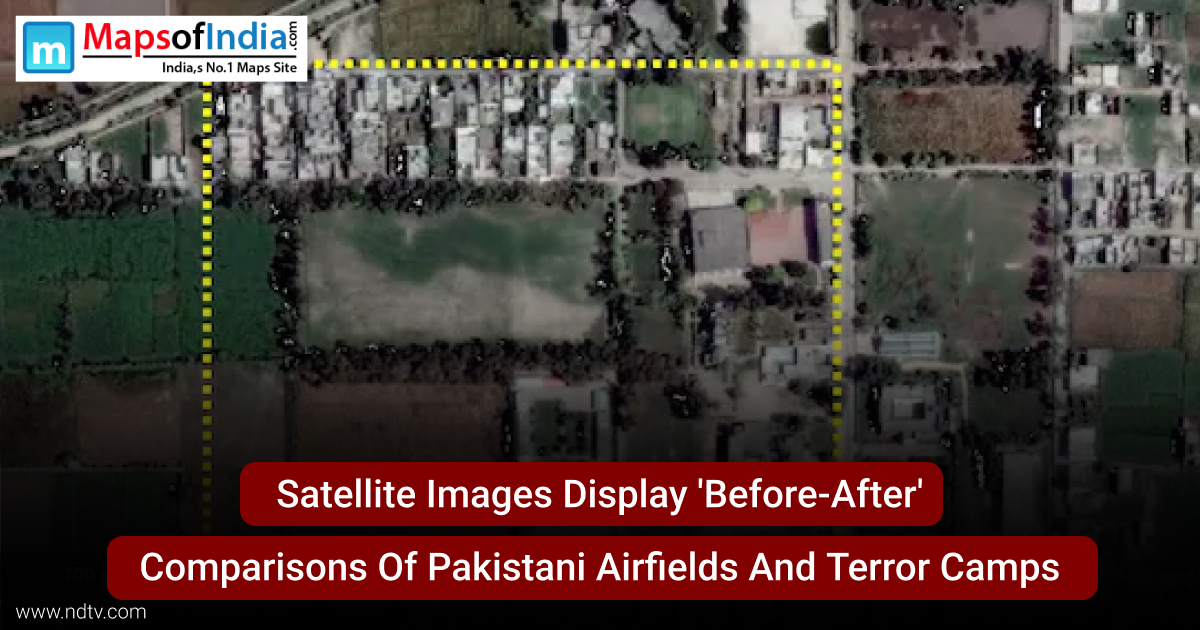
Satellite Images Display 'Before-After' Comparisons of Pakistani Airfields and Terror Camps
In the path of escalating provincial pressures following cross-border walkouts and secret drone action, just-removed high-resolution satellite imagery has revealed important structural modifications at several Pakistani airbases and known terrorist training camps. These before-and-after images—captured between May 1 and May 11, 2025—show general damage, hurried evacuations, and effective military mobilisation across Pakistan's strategic locations, growing both alarm and scrutiny from defence judges, spying instruments, and global powers monitoring South Asia’s simmering conflict.Airfields Damaged in Targeted Strikes
Imagery sourced from private spying satellite enterprises and verified by independent military judges has indicated that at least four Pakistani military airbases—including Murid, Mianwali, Masroor, and Jacobabad—have experienced visual damage in line with accurate air or drone strikes. Satellite access before May 5 depicts normal functional layouts with aircraft lined in parking bays, available hangars, and ground support vehicles. However, comparison shots post-May 8 show burned tarmac, tumbled shelters, charred rubble, and quick runway closures. In one memorable image of Mianwali Airbase, three JF-17 Thunder aircraft seem to have sustained direct hits. Similarly, hangars at Masroor Airbase near Karachi are visibly crushed, with plumes of moisture seen in heat-map overlays organised during evening surveillance. According to a senior official in an unnamed Western intelligence agency, “These sites were likely chosen for their strategic roles in supporting drone deployment, refuelling Pakistani surveillance aircraft, and possibly aiding logistics to terror camps in Pok [Pakistan-occupied Kashmir] and Balochistan.Terror Camps in Pok and Balochistan Suffer Direct Hits
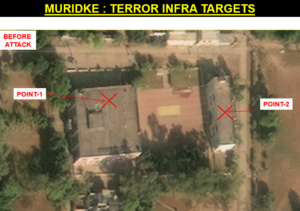 Beyond conventional military sites, the most concerning revelations emerge from images of militant training facilities. Four camps, two in Pok near Muzaffarabad and two in the rugged terrains of southwestern Balochistan, have been partially or destroyed.
Imagery of the Kotli camp in Pok shows what once was a cluster of barracks and parade grounds, now reduced to smoking craters. Several human profiles are absent in the May 11 photos, indicating evacuation or fatalities. The double Pok camp near Chakothi, known to train infiltrators for functions in Jammu and Kashmir, displays signs of destruction in the main exercise yard and weapons depot. Burned-out supply trucks are visible on neighbouring dirt roads, implying a swift retaliatory reaction that may have been expected or continuing.
In Balochistan, satellite footage captures damage to camps allegedly used by the Jaish-ul-Haq and Lashkar-e-Taiba splinter groups. Thermal imaging shows persistent fire hotspots several days after the presumed strikes.
Beyond conventional military sites, the most concerning revelations emerge from images of militant training facilities. Four camps, two in Pok near Muzaffarabad and two in the rugged terrains of southwestern Balochistan, have been partially or destroyed.
Imagery of the Kotli camp in Pok shows what once was a cluster of barracks and parade grounds, now reduced to smoking craters. Several human profiles are absent in the May 11 photos, indicating evacuation or fatalities. The double Pok camp near Chakothi, known to train infiltrators for functions in Jammu and Kashmir, displays signs of destruction in the main exercise yard and weapons depot. Burned-out supply trucks are visible on neighbouring dirt roads, implying a swift retaliatory reaction that may have been expected or continuing.
In Balochistan, satellite footage captures damage to camps allegedly used by the Jaish-ul-Haq and Lashkar-e-Taiba splinter groups. Thermal imaging shows persistent fire hotspots several days after the presumed strikes.