What Are The Symptoms of Sleep Paralysis?
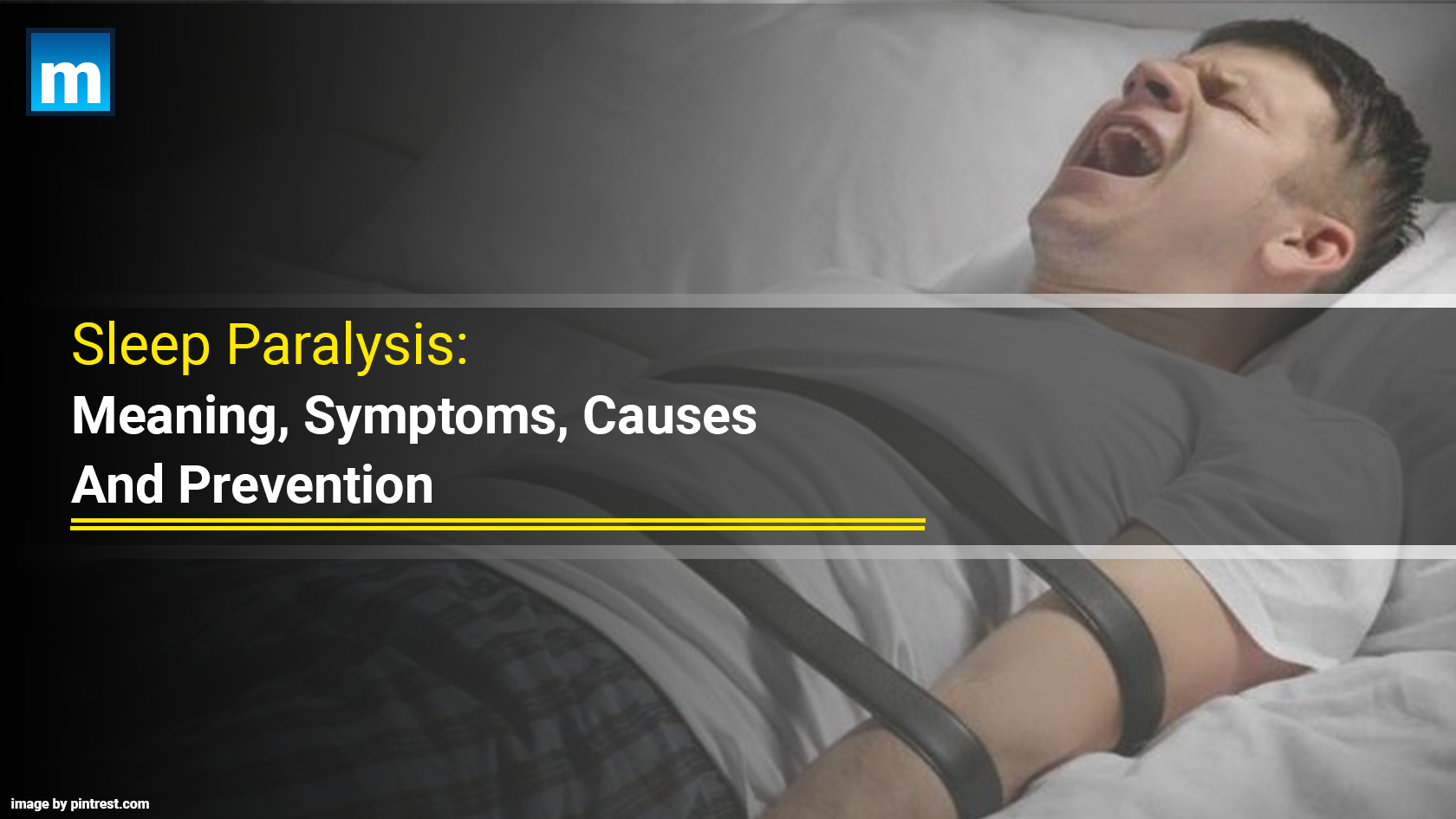
The hallmark of sleep paralysis is the inability to move or speak while being aware of one’s surroundings. Other common symptoms include:- Hallucinations: Many individuals report seeing or sensing a presence in the room, often described as threatening. These can be auditory or visual and may include feelings of dread.
- Chest Pressure: A sensation of weight on the chest is familiar, making breathing difficult.
- Panic and Fear: The experience can induce intense panic and helplessness, which can linger even after the episode ends.
What Causes Sleep Paralysis?
The exact causes of sleep paralysis remain unclear, but several factors are believed to contribute to its occurrence:- Sleep Disorders: Conditions like narcolepsy, insomnia, and sleep apnea can increase the likelihood of experiencing sleep paralysis.
- Position of sleep: Research indicates that sleeping on one's back may be linked to a higher risk of sleep paralysis.
- Stress and Anxiety: High levels of stress and anxiety can disrupt sleep patterns, making episodes more likely.
- Irregular Sleep Schedule: Frequently changing sleep patterns can lead to sleep deprivation, a significant trigger for sleep paralysis.
- Substance Use: Alcohol and certain medications can affect sleep quality and may contribute to the likelihood of episodes.
Tips to Prevent Sleep Paralysis
While there is no guaranteed way to prevent sleep paralysis, several strategies can help reduce the likelihood of episodes:- Establish a Sleep Routine: Going to bed and waking up simultaneously daily can help regulate your body clock and improve sleep quality.
- Sleep Position: Avoid sleeping on your back. If you roll onto your back at night, consider using pillows to support your sides.
- Manage Stress: Use relaxation techniques such as meditation, deep breathing exercises, or yoga to reduce stress and anxiety.
- Limit Stimulants: Avoid caffeine and alcohol, especially in the hours leading up to bedtime, as they can disrupt sleep.
- Create a Comfortable Sleep Environment: Ensure your bedroom is conducive to sleep by keeping it dark, quiet, and cool. Remove distractions like electronic devices.
- Exercise Regularly: Physical activity can improve sleep quality, but avoid vigorous exercise close to bedtime.
What to do if it happens?
If you find yourself experiencing sleep paralysis, there are a few techniques that may help you cope with the episode:- Stay Calm: Remind yourself that the experience is temporary and not harmful. Understanding that sleep paralysis is a common occurrence can help reduce anxiety.
- Focus on Movement: If possible, focus on moving a small part of your body, such as a finger or toe. This may help break the paralysis.
- Breathe Slowly: Concentrate on your breathing. Taking slow, deep breaths can help ease feelings of panic.
- Visualise a Safe Place: Imagine a comforting scene or think of a loved one. This can help shift your focus away from fear.