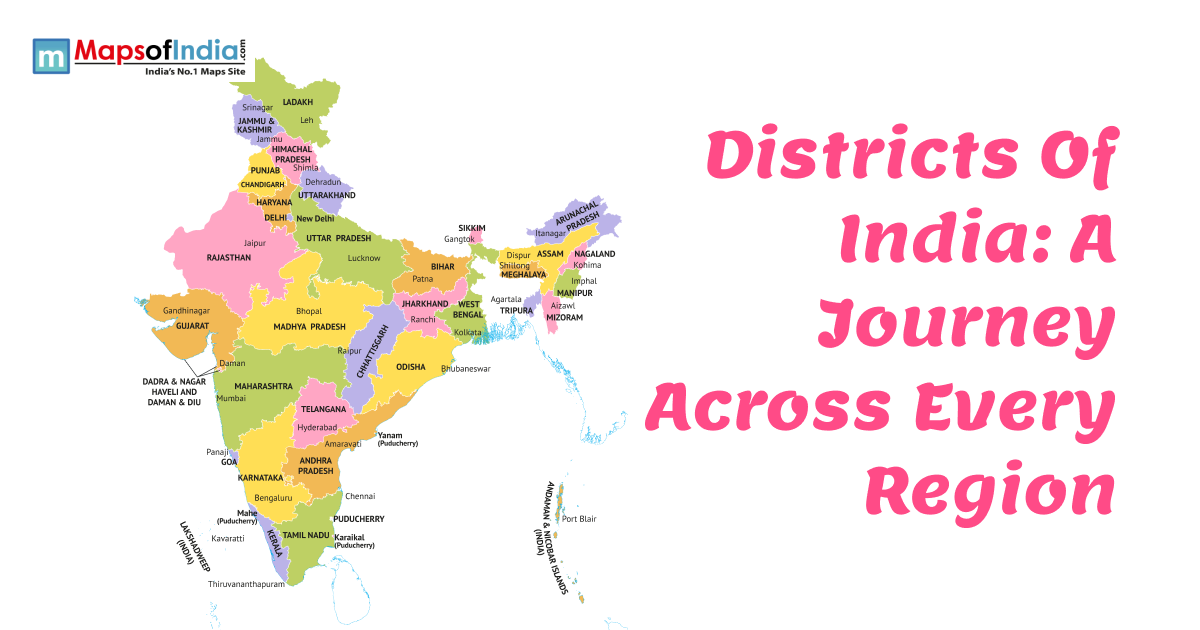
 We are in the middle of the swine flu epidemic. Latest figures suggest that more than 14,000 have been affected by the illness across the country, and more than 832 have already succumbed to it. The worst affected states are Rajasthan, Madhya Pradesh, Maharashtra and Gujarat, and new cases are being reported from other states as well. Punjab has the highest ratio of those who died due to the illness to those having it.
Experts in health care are bemoaning the fact that despite having had several outbreaks in the recent past, nothing much was done at the community level by the government to contain the spread of the disease. Low budget allocation to public health expenditure has also been blamed for the epidemic. Awareness about the illness and its prevention is paramount, but one does not get to see too many public service messages on mass media to address this.
Perhaps, in addition to lack of hygiene, the fact that swine flu is not known to lead to severe consequences in a majority of those affected has got something to do with this. There have also been misconceptions that like other vector borne diseases, swine flu is also spread by insects. Actually it spreads from close contact with animals such as domestic or farm bred animals, after which it spreads though droplets of mucous or saliva from person to person.
The symptoms and signs of the illness, and what is to be done if one contracts the illness remains the same as in the previous article on swine flu. With regards to the drugs used in treating swine flu, Tamiflu (chemical name oseltamivir) and Relenza (zanamivir) are recommended only to those in the population group that is vulnerable to severe life-threatening infection. These may include:
We are in the middle of the swine flu epidemic. Latest figures suggest that more than 14,000 have been affected by the illness across the country, and more than 832 have already succumbed to it. The worst affected states are Rajasthan, Madhya Pradesh, Maharashtra and Gujarat, and new cases are being reported from other states as well. Punjab has the highest ratio of those who died due to the illness to those having it.
Experts in health care are bemoaning the fact that despite having had several outbreaks in the recent past, nothing much was done at the community level by the government to contain the spread of the disease. Low budget allocation to public health expenditure has also been blamed for the epidemic. Awareness about the illness and its prevention is paramount, but one does not get to see too many public service messages on mass media to address this.
Perhaps, in addition to lack of hygiene, the fact that swine flu is not known to lead to severe consequences in a majority of those affected has got something to do with this. There have also been misconceptions that like other vector borne diseases, swine flu is also spread by insects. Actually it spreads from close contact with animals such as domestic or farm bred animals, after which it spreads though droplets of mucous or saliva from person to person.
The symptoms and signs of the illness, and what is to be done if one contracts the illness remains the same as in the previous article on swine flu. With regards to the drugs used in treating swine flu, Tamiflu (chemical name oseltamivir) and Relenza (zanamivir) are recommended only to those in the population group that is vulnerable to severe life-threatening infection. These may include:
- Those with pre-existing respiratory problems such as pneumonia
- Those suffering from long-term illnesses such as diabetes or heart disease
- Pregnant women
- Those in the extremes of age groups: above 65 years or below 2 years of age