 “To other countries, I may go as a tourist, but to India, I come as a pilgrim.”
-Martin Luther King Jr.
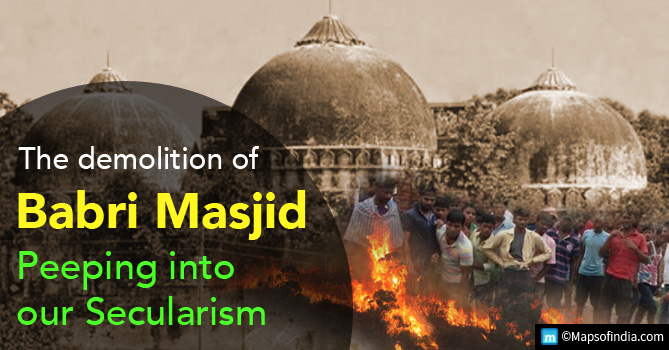
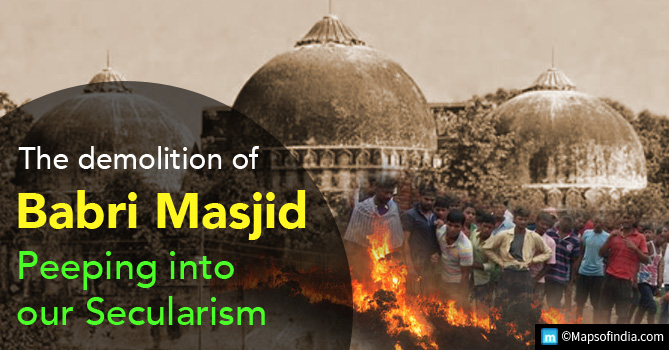
Yes, India has since long been seen as the land of multiple religions colluding together in beautiful harmony. It was the same diversity that once made the country stand out from the rest of the world. However, in recent years, Bharat has been anything but a peaceful, religious land. Communal and religious violence has gradually become an ugly truth the nation faces every day. Disputes over Babri Masjid in Ayodhya tell yet another tale of the intolerance that the country is slowly equating itself to.
It's been decades now that the case of Babri Masjid has been dragged around in courts, and there seems no near end to it. In a September 2018 verdict, the Supreme Court rejected the plea to have a larger bench reopen the issue of a 1994 verdict that said mosques are not necessary for practice of Islam. The issue has once again come to limelight now, with one dissenting judge from the same bench, Justice Nazeer speaking against the judgement.
So, what is the famous Ayodhya verdict all about? And, why hasn't it managed to reach the doors of justice even after so many years?
“To other countries, I may go as a tourist, but to India, I come as a pilgrim.”
-Martin Luther King Jr.
Yes, India has since long been seen as the land of multiple religions colluding together in beautiful harmony. It was the same diversity that once made the country stand out from the rest of the world. However, in recent years, Bharat has been anything but a peaceful, religious land. Communal and religious violence has gradually become an ugly truth the nation faces every day. Disputes over Babri Masjid in Ayodhya tell yet another tale of the intolerance that the country is slowly equating itself to.
It's been decades now that the case of Babri Masjid has been dragged around in courts, and there seems no near end to it. In a September 2018 verdict, the Supreme Court rejected the plea to have a larger bench reopen the issue of a 1994 verdict that said mosques are not necessary for practice of Islam. The issue has once again come to limelight now, with one dissenting judge from the same bench, Justice Nazeer speaking against the judgement.
So, what is the famous Ayodhya verdict all about? And, why hasn't it managed to reach the doors of justice even after so many years?
“To other countries, I may go as a tourist, but to India, I come as a pilgrim.”
-Martin Luther King Jr.
Yes, India has since long been seen as the land of multiple religions colluding together in beautiful harmony. It was the same diversity that once made the country stand out from the rest of the world. However, in recent years, Bharat has been anything but a peaceful, religious land. Communal and religious violence has gradually become an ugly truth the nation faces every day. Disputes over Babri Masjid in Ayodhya tell yet another tale of the intolerance that the country is slowly equating itself to.
It's been decades now that the case of Babri Masjid has been dragged around in courts, and there seems no near end to it. In a September 2018 verdict, the Supreme Court rejected the plea to have a larger bench reopen the issue of a 1994 verdict that said mosques are not necessary for practice of Islam. The issue has once again come to limelight now, with one dissenting judge from the same bench, Justice Nazeer speaking against the judgement.
So, what is the famous Ayodhya verdict all about? And, why hasn't it managed to reach the doors of justice even after so many years?
“To other countries, I may go as a tourist, but to India, I come as a pilgrim.”
-Martin Luther King Jr.
Yes, India has since long been seen as the land of multiple religions colluding together in beautiful harmony. It was the same diversity that once made the country stand out from the rest of the world. However, in recent years, Bharat has been anything but a peaceful, religious land. Communal and religious violence has gradually become an ugly truth the nation faces every day. Disputes over Babri Masjid in Ayodhya tell yet another tale of the intolerance that the country is slowly equating itself to.
It's been decades now that the case of Babri Masjid has been dragged around in courts, and there seems no near end to it. In a September 2018 verdict, the Supreme Court rejected the plea to have a larger bench reopen the issue of a 1994 verdict that said mosques are not necessary for practice of Islam. The issue has once again come to limelight now, with one dissenting judge from the same bench, Justice Nazeer speaking against the judgement.
So, what is the famous Ayodhya verdict all about? And, why hasn't it managed to reach the doors of justice even after so many years?