The Art of Voice Acting: More Than Just Talking
Voice acting mainly involves using your voice to act out a character, express feelings and narrate a story. While performers in front of the camera show expressions with their faces and movement, voice actors show all the emotions with only their voice. Remember the last animated film you watched. Did you feel like cheering for the hero after hearing their voice? Was the villain’s menacing laugh able to give you goosebumps? That is why voice actors make such a difference. An experienced voice actor can make you feel like a cartoon or animated figure is a real person with desires, flaws, and hopes.Behind the Microphone: The Voice Actor’s Process
Every person who acts in a script comes at it with a different style, but the character is often explored first. What makes them choose to become doctors? What experience do they have? What emotions do they have towards the other people in their lives? This is when the transformation starts.- Script Analysis: Voice actors analyze the script to learn about the character, their feelings and their connections. In short video games, it is important for an actor to know what emotion to focus on, whether it is anger, fear, excitement or determination.
The Versatility of Voice Actors
Voice actors have an amazing ability to vary their voices in many ways. Unlike actors in films and TV, who tend to be given the same type of roles, voice actors can bring different characters to life. If you look at Mel Blanc, famous as the “Man of a Thousand Voices,” you’ll find that he brought life to Bugs Bunny, Daffy Duck, Porky Pig and a large cast of Looney Tunes characters. Just like their early-era counterparts, Tara Strong, Nolan North and Jennifer Hale have provided voices for lots of characters seen in animation, video games and ads. Singers have to master their voices, use their imagination and be able to change into a new character in almost no time. During a recording session, an actor can play the roles of a hero, villain and comical person, each giving the character its own voice and personality.Challenges in the Booth
Although voice acting sounds amazing, it brings along certain difficulties:- Vocal Strain: Doing lines like battle cries, screams, or monster sounds uses a lot of energy. Actors need to warm up well and use the right way of speaking to protect their voice.
- Emotional Depth: As they do not have physical actions to rely on, voice actors mainly express their emotions using their voices. Acting is more important than just memorizing the words.
- Limited Visual Cues: Usually, voice actors finish their lines before the animations or designs are complete. Sometimes, they draw a basic sketch or only have a little plot, but they have to picture the scene in their head and act the way their character would.
- Isolation: Because they don’t act in front of people, voice actors typically work by themselves without instant communication. It is important for them to rely on what the director tells them and what they feel.
Voice Acting in Different Mediums
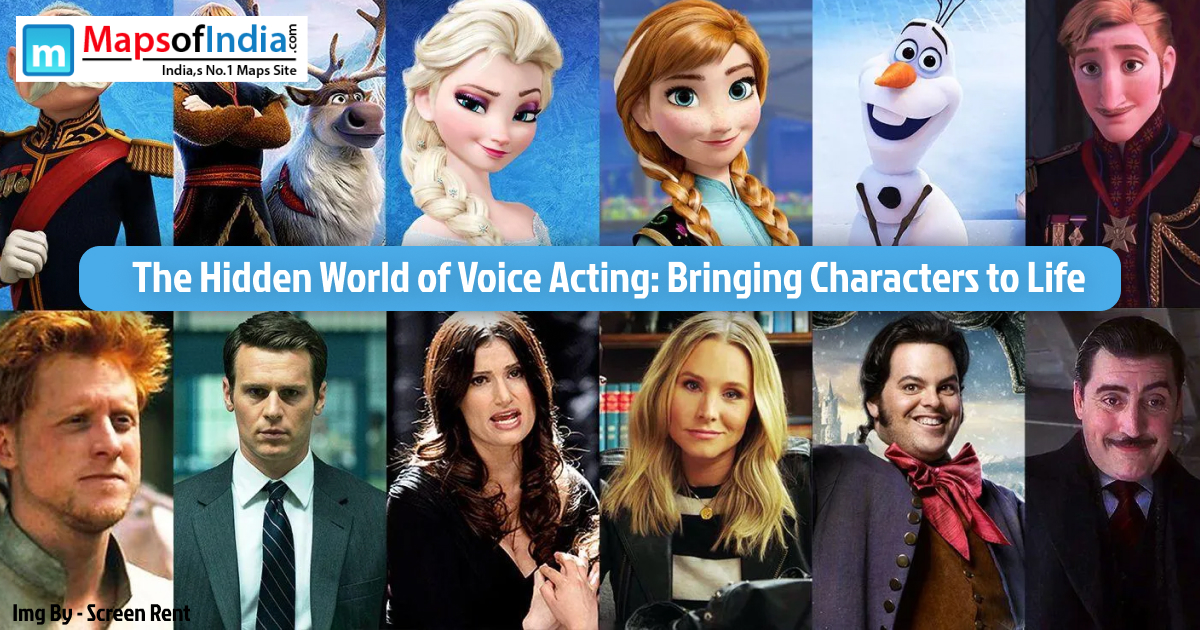
People use voice actors for movies and other projects as well. It’s everywhere:- Animation: It is voice actors who play the leading roles of Simba, Elsa or SpongeBob, from their cartoons to their movies. People will remember these artists for the music they created.
- Video Games: Voice acting in games brings emotional depth to the story and makes things more realistic. People love “The Last of Us” and “Mass Effect” for their moving performances, not just for how they look.
- Audiobooks: The narrator and the character are both played by the voice actor, leading audiences through many worlds. A well-done audiobook reading can turn a book into a true personal story.
- Commercials and Branding: Companies prefer voice actors to play an important role in creating unforgettable ads. The way a voice is used can show a product as reliable, stimulating or welcoming.
- Dubbing: In these places, actors dub the films and TV shows and this often makes them famous among viewers at home.