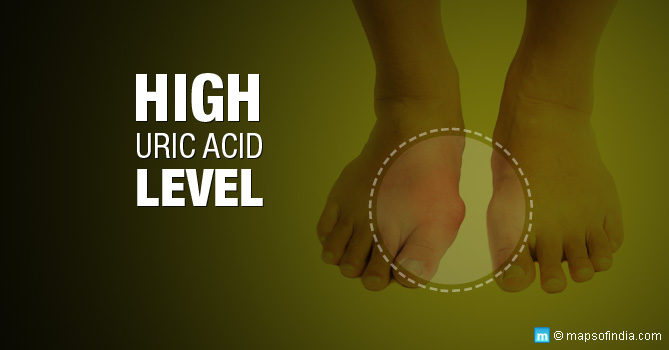
 A 47-year-old man presents to the medical OPD with a highly painful swelling of his left big toe. He says it developed over several hours, and has now reached a stage when even so much as putting a bedspread on the foot causes intense pain. He has had several such episodes in the past, each lasting for 7-10 days. He is obese, has high BP, consumes non-vegetarian diet and drinks whisky regularly.
What is gout?
Sufferers of gout – called vat-rakta in Ayurveda – would immediately identify themselves with the gentleman and his problem described above. This is because gout has a very typical presentation: single, intensely painful swelling of a joint (most commonly the base of the toe), recurrent in nature, and sometimes involving multiple joints.
What are the causes of high uric acid level?
Gout is the result of hyperuricemia – or raised uric acid levels in the blood. Uric acid is a natural byproduct of food metabolism and tissue breakdown. It is naturally eliminated through the kidneys. However, in some individuals, uric acid may be overproduced, or not eliminated properly. This results in the raised blood and tissue levels, leading to deposition of monosodium urate crystals under the skin, in joints and in kidneys. This then manifests as tophi – deposits of crystals under the skin, painful arthritis or renal stones, respectively. As seen in the scenario above, pain from gouty arthritis can be crippling, and result in loss of productivity for several days to weeks.
The following factors may predispose an individual to developing high uric acid levels, and consequently gout:
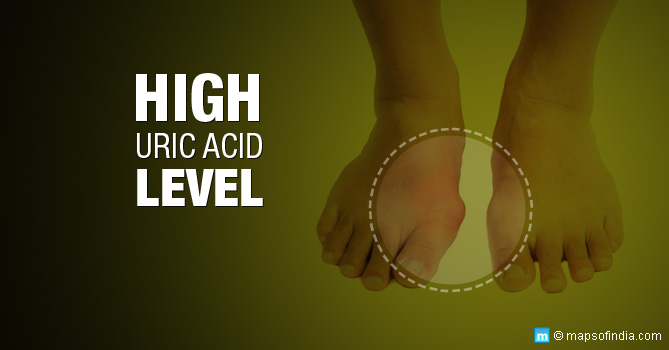
A 47-year-old man presents to the medical OPD with a highly painful swelling of his left big toe. He says it developed over several hours, and has now reached a stage when even so much as putting a bedspread on the foot causes intense pain. He has had several such episodes in the past, each lasting for 7-10 days. He is obese, has high BP, consumes non-vegetarian diet and drinks whisky regularly.
What is gout?
Sufferers of gout – called vat-rakta in Ayurveda – would immediately identify themselves with the gentleman and his problem described above. This is because gout has a very typical presentation: single, intensely painful swelling of a joint (most commonly the base of the toe), recurrent in nature, and sometimes involving multiple joints.
What are the causes of high uric acid level?
Gout is the result of hyperuricemia – or raised uric acid levels in the blood. Uric acid is a natural byproduct of food metabolism and tissue breakdown. It is naturally eliminated through the kidneys. However, in some individuals, uric acid may be overproduced, or not eliminated properly. This results in the raised blood and tissue levels, leading to deposition of monosodium urate crystals under the skin, in joints and in kidneys. This then manifests as tophi – deposits of crystals under the skin, painful arthritis or renal stones, respectively. As seen in the scenario above, pain from gouty arthritis can be crippling, and result in loss of productivity for several days to weeks.
The following factors may predispose an individual to developing high uric acid levels, and consequently gout:
- Middle aged men
- Family history of gout
- Obesity
- High blood pressure
- Diabetes
- Kidney disease
- Raised triglyceride level
- Certain enzyme disorders
- Lifestyle causes: over-indulgence of alcohol, non-vegetarian diet, salty, sugary and fatty substances, and lack of exercise and/or sedentary lifestyle
- Painful joint swellings, which may be in one joint to begin with, and later involve many others
- Sudden shooting pains in the lower back, radiating to the groin; due to a renal stone
- Renal stone in turn may lead to nausea, vomiting and blood in the urine
- Deposition of uric acid crystals under the skin causing tophi – or swellings on fingers, toes, hands and elbows
- Be regular with the medications and follow-up care
- During an attack, keep the limb elevated, take adequate pain relieving medications, and apply ice packs to reduce the pain; cherry juice and apple cider vinegar are also said to relieve the pain
- Drink up to 10 glasses of water a day to reduce the chance of dehydration and formation of urate crystals
- Consume high fiber diet such as green leafy vegetables and fruits to increase the elimination of uric acid
- Take antioxidant rich foods such as berries, grapes and pineapples
- A number of foods are recommended as specific therapy for gout; these include bananas, apples, lime, vegetable juices (especially carrot, beetroot and cucumber), French beans, olive oil, and vitamins C and E
- Avoid excess consumption of alcohol, red meat, mushrooms, yeast extracts and oily fish, as these are known to elevate blood uric acid levels
- Avoid excessively fatty, oily, salty and sugary substances
- Undergo regular checkup of BP, sugar level, cholesterol status and renal parameters
- Keep your weight under check by exercising regularly