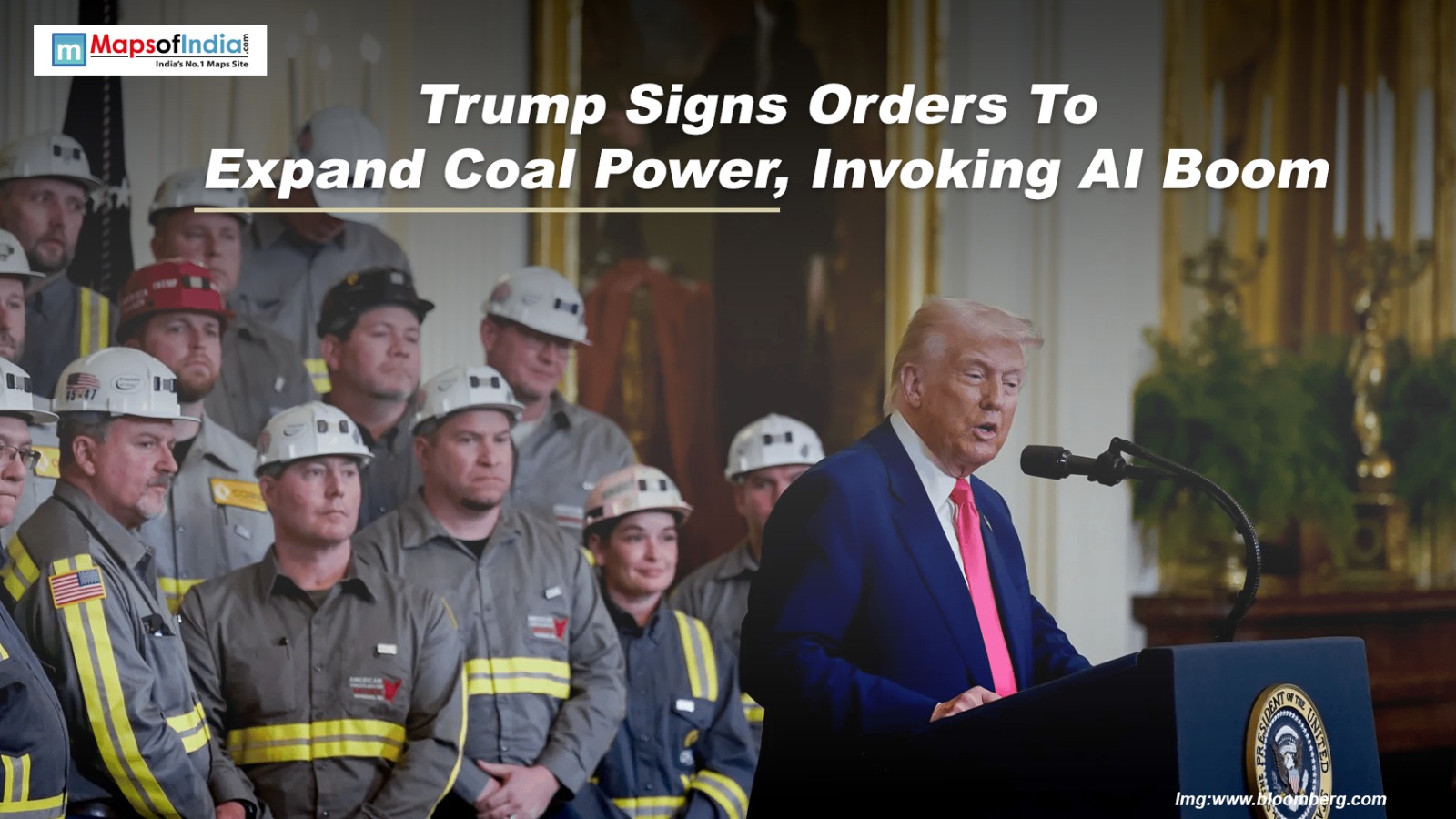
Trump’s Coal Power Expansion Collides with AI’s Soaring Energy Demands
Coal is back in the spotlight—but not in the way you might think. As artificial intelligence continues to transform industries and fuel massive electricity demand, former President Trump’s recent move to expand coal power has added a new layer to the global energy debate. By invoking the AI boom as part of his reasoning, Trump’s decision highlights the growing tension between traditional energy sources and the need for modern, sustainable solutions. While coal is being positioned as a quick answer to rising energy needs, the conversation around clean energy, innovation, and long-term impact becomes even more urgent. Trump signs orders to expand coal power, invoking AI boom—but this intersection of old energy and new technology sparks bigger questions: Can we meet the demands of AI without sacrificing sustainability? How do we strike the right balance between economic growth and environmental responsibility? This moment marks a turning point in how we think about energy, innovation, and the future.The Executive Orders: A Glimpse into Trump's Vision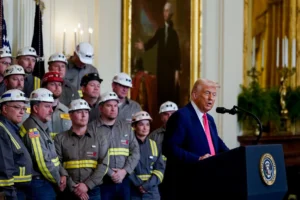
Trump’s executive orders to expand coal power plants weren’t just policy decisions—they reflected his vision for reshaping America’s energy future. The orders focused on reviving coal, a resource that once fueled the nation’s rise as an industrial powerhouse. While this move rekindled hopes among coal advocates, it also drew criticism from renewable energy proponents and environmental experts alike. Here’s a closer look at the layers of impact.
Reviving Coal Power Plants
At the center of these executive orders was an ambitious plan to breathe life back into coal power plants. This included rolling back regulations that were seen as burdensome by industry insiders. Emission limits were revisited, permitting processes were streamlined, and restrictions that prioritized greener alternatives were softened. Additionally, incentives were introduced to make coal production more competitive. Programs provided subsidies for retrofitting aging plants with upgraded technology, extending their operational lifespans. By making coal more accessible and affordable, the administration aimed to re-establish it as a cornerstone of the U.S. energy mix—a bold statement at a time when global energy markets were leaning heavily toward renewables.Link to Infrastructure and Jobs
Behind the strategy was a promise that went beyond energy—jobs. Trump framed the expansion of coal power as a pathway to revive struggling coal towns and create opportunities where they had disappeared. This wasn’t just about turning lights back on in shuttered power plants; it was about reigniting the economies of regions hit hardest by the coal industry’s decline. Much of the narrative also pointed to America’s outdated energy infrastructure. The orders emphasized modernizing coal plants to handle growing energy demands while making them more efficient. In doing so, Trump linked this vision to job creation not only for miners but also for construction workers, engineers, and manufacturing technicians, putting an array of industries into motion. Implications for Renewable Energy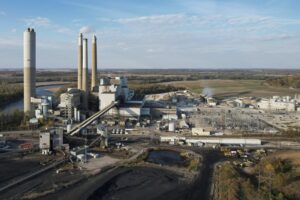 Not everyone saw this vision as progress. Environmental organizations and renewable energy advocates expressed immediate opposition to the move. They argued that boosting coal power came at the expense of cleaner and more sustainable solutions. The coal revival, they claimed, undermined efforts to combat climate change and transition toward renewable energy sources such as wind and solar.
According to the U.S. Energy Information Administration (EIA), coal accounted for just 20% of electricity generation in recent years—a significant drop from over 50% in the early 2000s. Meanwhile, renewables like solar and wind grew rapidly, increasing by 15% annually over the last decade. Critics contended that doubling down on coal ignored these trends and wasted resources that could have further propelled the clean energy sector.
This clash between coal and renewables highlighted a broader debate about where America’s energy strategy should head. Would the AI-driven demand for power justify continuing to invest in legacy fuels, or would it accelerate the push for innovation and sustainability? Trump’s orders, while clear in intent, left these questions open for the future.
Not everyone saw this vision as progress. Environmental organizations and renewable energy advocates expressed immediate opposition to the move. They argued that boosting coal power came at the expense of cleaner and more sustainable solutions. The coal revival, they claimed, undermined efforts to combat climate change and transition toward renewable energy sources such as wind and solar.
According to the U.S. Energy Information Administration (EIA), coal accounted for just 20% of electricity generation in recent years—a significant drop from over 50% in the early 2000s. Meanwhile, renewables like solar and wind grew rapidly, increasing by 15% annually over the last decade. Critics contended that doubling down on coal ignored these trends and wasted resources that could have further propelled the clean energy sector.
This clash between coal and renewables highlighted a broader debate about where America’s energy strategy should head. Would the AI-driven demand for power justify continuing to invest in legacy fuels, or would it accelerate the push for innovation and sustainability? Trump’s orders, while clear in intent, left these questions open for the future.