Indian Villages are the heart of India. While cities may be the subject of headlines, the essence beats in quiet lanes under banyan trees. Over half a million rural outposts form into a network of routines, dictated by seasons, soil and song. Life bends but does not break away from the peaks whitened in the north to the scorched earth that stretches wide in Rajasthan. Mornings in Kerala's green water paths start with canoes that cut through the mist, each hamlet telling a story which only locals fully understand. Every season is bright with the celebration, roots go deep into the ground and the memory. So much of culture is alive in rural India that time is not an impediment to walking through it.
The Pulse of Village Life
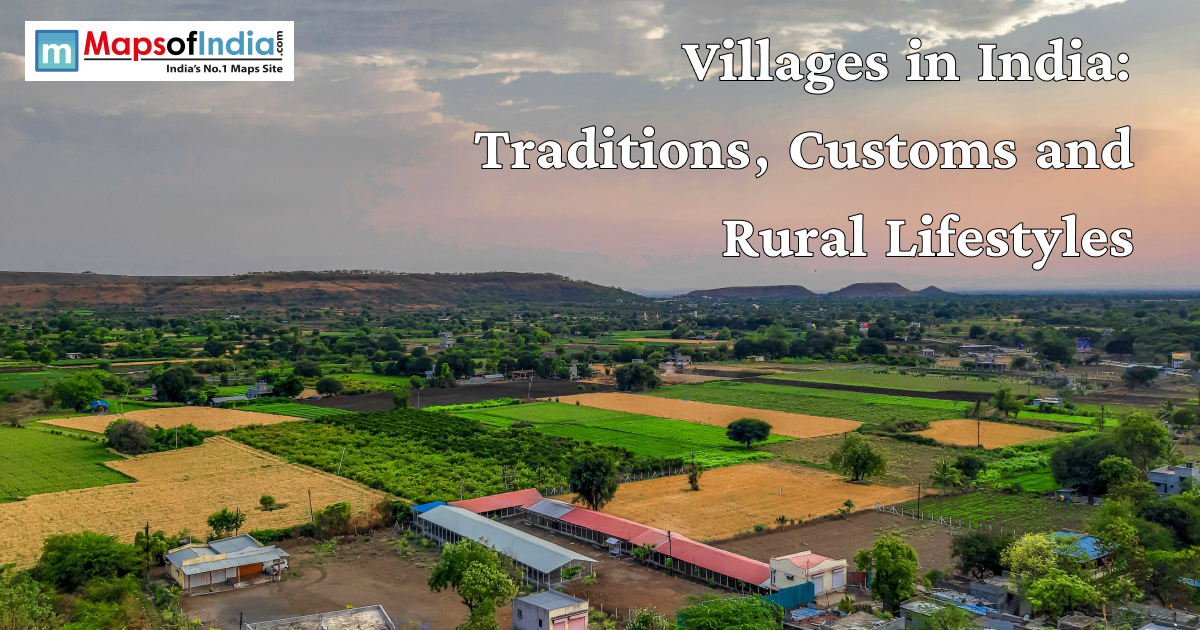
Villages are embedded deep in the Indian soul, and they hold 75% of Indians in their embrace. Life is relaxed and non-hurried, influenced by the harvest times, traditions, and close-knit communities. Routines march to the beat of sunrise, rain and tradition, rather than the pace of cities. Weaving, pottery, local workshops, and farming continue to be the main sources of livelihoods for households. Where fields are wide, and neighbours know your name, you feel at ease. Here, roads turn to dust and life clings to its branches. Imagine how a root, deep and broad like a banyan tree, holds everything up: unseen and constant.
Himalayan Villages: Life at High Altitudes
The winter is intense at high altitudes in the mountains of Himachal Pradesh, Uttarakhand and Ladakh. A stone wall, timber frame, these houses are sturdy under heavy snowfall. Faith permeates their daily lives, whether they follow Buddhist or Hindu ways. Temples nestle in village hearts, and monasteries stand quietly amongst peaks. When the days of Losar come, so do painted faces; when the days of Hemis come, dancers jump behind bright masks. No chemicals are used in farming, and animal husbandry is done by hand. In a quiet mountain area, life moves with the land and is influenced by inner beliefs.
Desert Villages of Rajasthan
Here in the dry lands of the Thar desert, every day is all about saving and reusing water. You'll see mud huts with small mirrors up close most frequently in Kutch and Barmer. People in bright attire are seen doing their daily activities, giving a touch of brightness to the dusty streets. When Teej or Gangaur comes, we all laugh and sing all of a sudden. Camels graze in these lands, with their keepers keeping a close watch on them. Handmade products move through markets unobtrusively, carrying narratives, not only labels. Where the ground is more than fierce, here they still grin from ear to ear. Not unlike those tough towns in arid zones, hardship becomes rhythm, turns into song.
Coastal Villages of Kerala and Tamil Nadu
Homes line the water edge with palm trees reaching out into the water. In this part of Kerala, time is slow, and paddy fields and long canoes float on tranquil channels. In place of rush, there is rhythm: in that of the strokes in the boat races, which echo old stories. Every year, flowers cover the courtyards, and families don't hurry to meet. In Tamil Nadu, nets are hung in the sun, their tears patched with fingers that shape the tide. Chants of the temple echo through many seasons. At places where waves land on soil, days pass without noise, where the ways are the same for a lifetime.
Tribal Villages in Northeast India
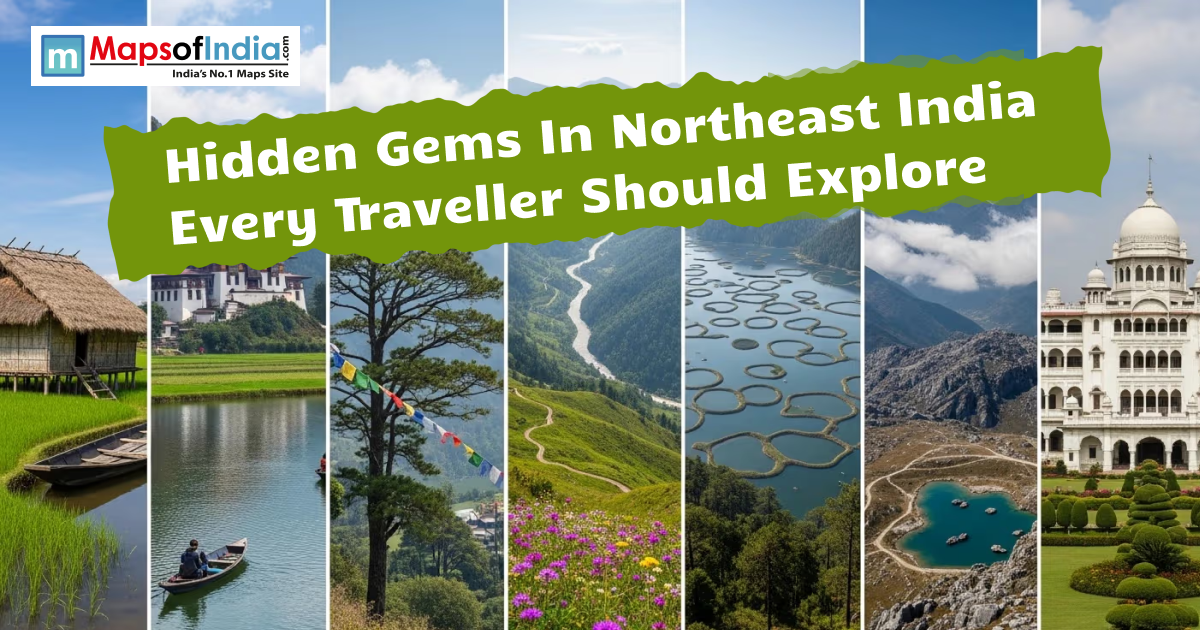
Naga homes are found in the folds of the eastern mountains where time does not intrude on their traditions. Though small, they are active on maps during gatherings like Hornbill. Whether on the green hills of Meghalaya or the mountains of Mizoram, life goes along with the beat of the ancestors. People till the soil like a common bond, far from the sounds of the city. Sounds of old languages whispered during the dawn; words that are not known to all. Festivals come in with the drum beats, and the feet jumping in a pattern, older than records show. In the corners of Arunachal, dance narrates stories, and handwoven cloth is caught by the wind. These places are filled, moment by moment, with not museum pieces, but lived moments. Life here does not shout; it simply remains.
Community Celebrations and Village Festivals
In Indian villages, festival time is the loudest when it comes, that is when joy lives loud. It's not only Diwali but also Holi, Pongal and Bihu, every one of them has its own rhythm. Old ways are shared through song, step, and story and strengthen community ties. The symbol of belonging appears in drum beats, colored powders, rice patterns, and night fires. In the absence of the sky, the tradition of walking door to door makes life fuller. Festivals are a bright spot even in the dimmest of roads. Joy and song flow down serene valleys, filling pockets of houses with bursts of song, colour and sound. Life slows down, then beats faster when the drums begin. Neighbours come from far-off hills, not invited but called.
The Rural Economy and Traditional Livelihoods
Most Indian villages are agricultural, livestock farming or handicraft manufacturing villages. Farms that grow rice, wheat, millets and vegetables are cultivated much like the grandparents did. A few have established a reputation for clay pots, cloth on looms or carved wooden toys. Because these jobs keep these skills alive, they do not require the user to learn new ones. Where old ways nourish communities and sustain cultures, quiet strength flows.
Changing Rural Life and Its Challenges
In the heart of India's rural landscapes, daily life still vibrates with tradition, but struggles against crumbling schools, faraway hospitals, filthy taps, and empty job markets. Older hands tend to fields, and the rhythms grow slower, and younger faces are lost to urban lights. Nevertheless, cellphone signal rises to rooftops, charities extend into lanes that were ignored, and small businesses emerge in courtyards that become workshops. It flows like an old song learning new notes familiar in heart, yet different in sound.
The Villages of India are the Soul of India!
Gandhi once declared that ‘the soul of India lives in its villages'. Rings true, though. The heart of the nation is fed by village life: its beliefs, its food, its crafts, its worldview. Connection matters there. So does producing sufficient, without waste. It is a way of living which comes naturally. Cities grow quickly, and rural areas gain strength to ensure a steady pace of growth across the landscape. Humble and steady as a pulse beneath all that is moving above.