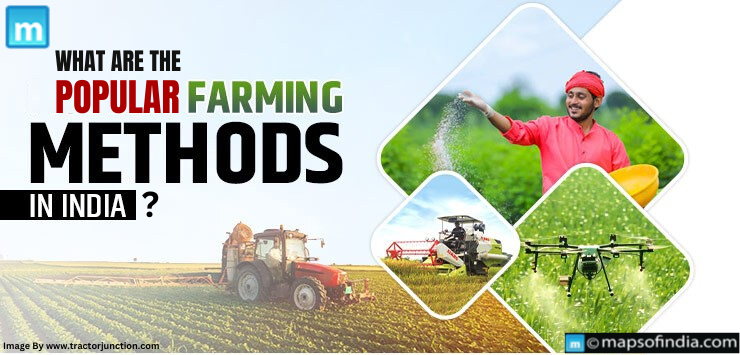
Here are the popular farming methods followed in India:
• Subsistence farming
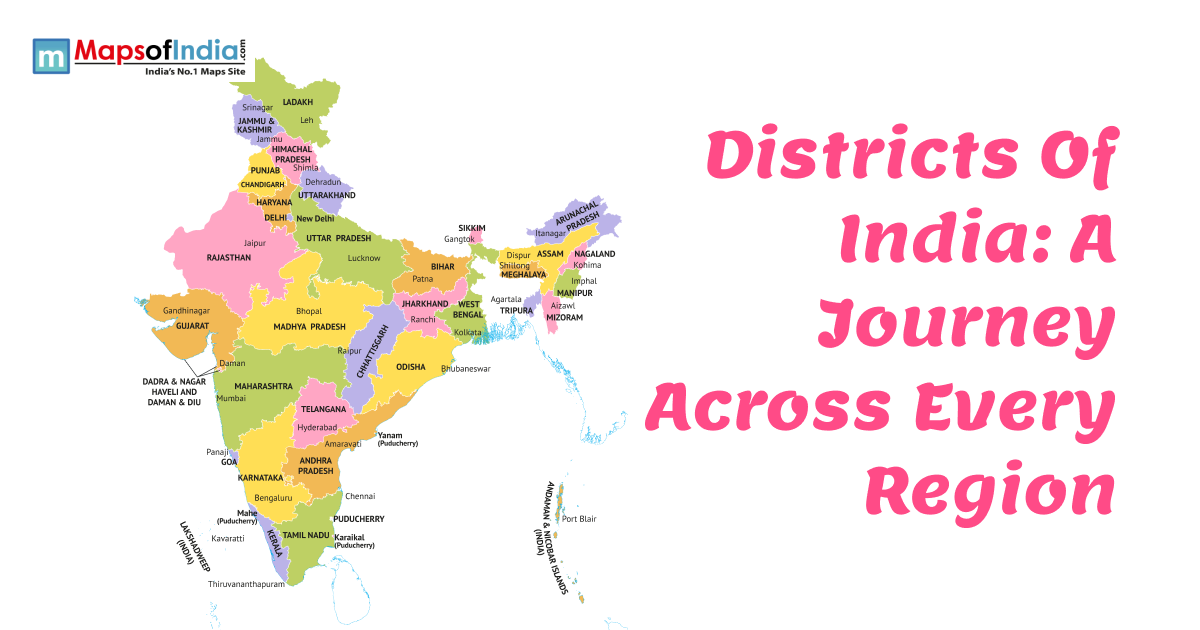
Subsistence farming is predominantly used in rural areas where farmers grow crops for personal consumption, which is a traditional method of farming with limited use of modern technology. This type of farming is highly used in states like Bihar, Jharkhand, Chattisgarh, Odisha, and a few parts of Uttar Pradesh due to small landholdings, lack of irrigation, and traditional farming methods.• Organic farming
Organic farming has grown in popularity due to the increasing demand for chemical-free production, which emphasizes natural fertilizers, biological pest control, and crop rotation. organic farming is widely spoken in various regions of India and mainly in prominent states like Sikkim, Uttarakhand, Himachal Pradesh, and Kerala; Sikkim state has gained recognition for being the first fully organic state in India• Precision farming
Precision farming Integrates technology for optimizing resource use like water, fertilizers, etc. This type of farming involves using GPS, data analysis, and sensors for effective farming practices, which are practiced with advanced agricultural practices in states like Punjab, Gujarat, Maharashtra, and Karnataka.• Green revolution techniques
Green revolution techniques were introduced in the 1960s, focusing on a high-yielding variety of crops using modern inputs like pesticides, fertilizers, and improved irrigation methods. The primary beneficiaries of the green revolution techniques have been the states like Punjab, Haryana, and Western Uttar Pradesh.• Genetically modified crops
Genetically modified crops are the most popular form of growing plants that have their DNA altered in a way that doesn't occur through mating or natural recombination. These modifications aim to enhance helpful traits like resistance to pests, diseases, and environmental conditions and improve the plant's nutritional content. Although this technique has benefits, there are a few concerns about this process, such as the ethical considerations, safety, and environmental impact that become drawbacks to this present agriculture system.-
Vertical farming
-
Mixed farming