Monsoon Variability: An Overview
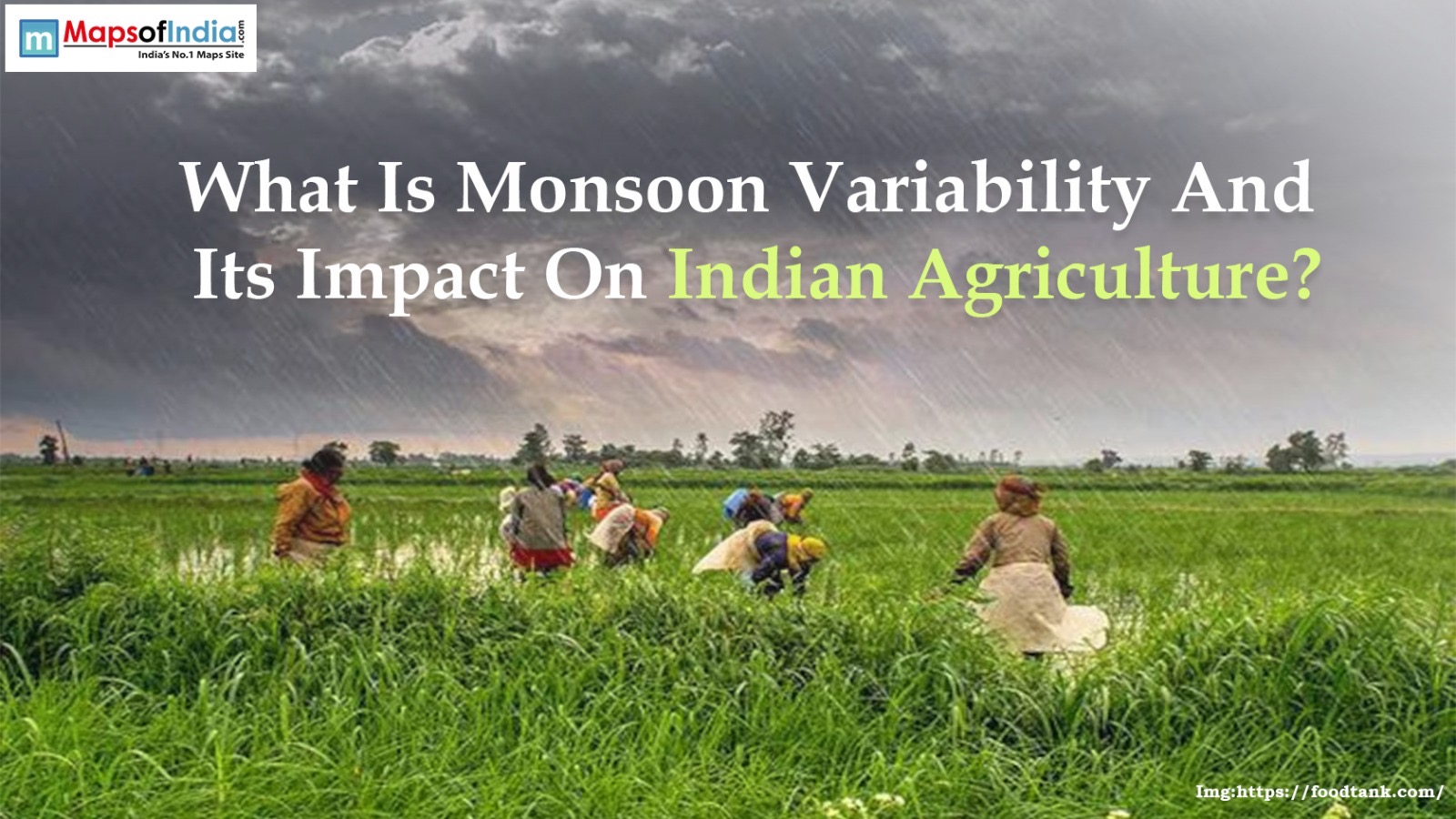
Monsoon Variability can Vary in timing, volume and distribution of rainfall during the monsoon season. This variance can be explained by several factors, such as:- Indian Ocean Dipole (IOD): A positive IOD phase in the eastern Indian Ocean will cause more heating in the eastern part of the Indian Ocean, increasing the temperature gradient between the eastern and western Indian Ocean, which causes increased monsoon rainfall.
- Climate Change: Rising global temperatures have disrupted the regular seasonal winds that brought consistent rains in the past, leading to erratic rainfall and extreme weather events.
- Land use change: deforestation and urbanization disrupt the rainfall as well.
Role of Indian Monsoons in Agriculture
Since monsoons in India have undergone so many changes, some improvements have been made in irrigation and water management. Approximately 60% of the country’s net sown area depends on rainfall, per the Indian Council of Agricultural Research (ICAR). Here are some key points about the monsoon’s importance in agriculture:- Water Supply: Monsoon rains grow the rain-fed rice, pulses and oilseed crops.
- Recharging groundwater: Monsoons recharge aquifers, providing water for the rabi (winter) cropping season.
- Livelihoods: More than 50% of India’s workforce engages in agriculture; thus, the performance of monsoons is one of the most decisive factors in rural income.
Impacts of Monsoon Variability on Agriculture
-
Late Onset or Early Exit
-
Uneven Spatial Distribution
-
Heavy Rain and Flooding
-
Drought Conditions
Impacts on Society and the Economy
- Economic Losses: Weak monsoon performance reflects on agricultural GDP, which accounts for around 16-18% of the total GDP of India. A deficit monsoon can also widen the import bill for food grains, putting pressure on the economy.
- Rural Distress: No weather erratic monsoons lead to farmer distress, which leads to indebtedness and, in the worst cases, farmer suicides. This led to more than 10,000 farmer suicides every year in drought years, according to the National Crime Records Bureau.
- Inflation and Food Security: With agricultural production in decline, food inflation leads to staple goods becoming unattainable for poorer families.
- Migration: Poor monsoons result in mass rural-to-urban migration in search of other jobs (pressuring urban infrastructure)
Adaptation strategies and mitigation measures
- To develop man-made structures, behaviour, or methods to maximize the usage of available rainwater. For example, The Pradhan Mantri Krishi Sichayee Yojana (PMKSY) scheme is for Enhancing the Wastage of Water.
- Encouraging the production of drought-resistant crop varieties can help mitigate fickle monsoons' impact. For example, Various millets like ragi and bajra are resilient to water stress. Behaviour change and Paleoclimate insights can be adapted to make agricultural practices climate-resilient — For example, Mixed Cropping, agroforestry and soil conservation practices to adapt to climate variability and extreme weather.
- Weather Forecasting & Early Warning Systems, and accurate weather forecasts help farmers decide which side to sow and when to irrigate the crops. In India, for example, it could be the Indian Meteorological Department (IMD), which issues real-time weather alerts and guidance.
- Monsoon-related economic risk mitigation: policies like Pradhan Mantri Fasal Bima Yojana (PMFBY) provide support against crop loss caused by the variability of monsoon