Understanding Plasma Stealth Technology
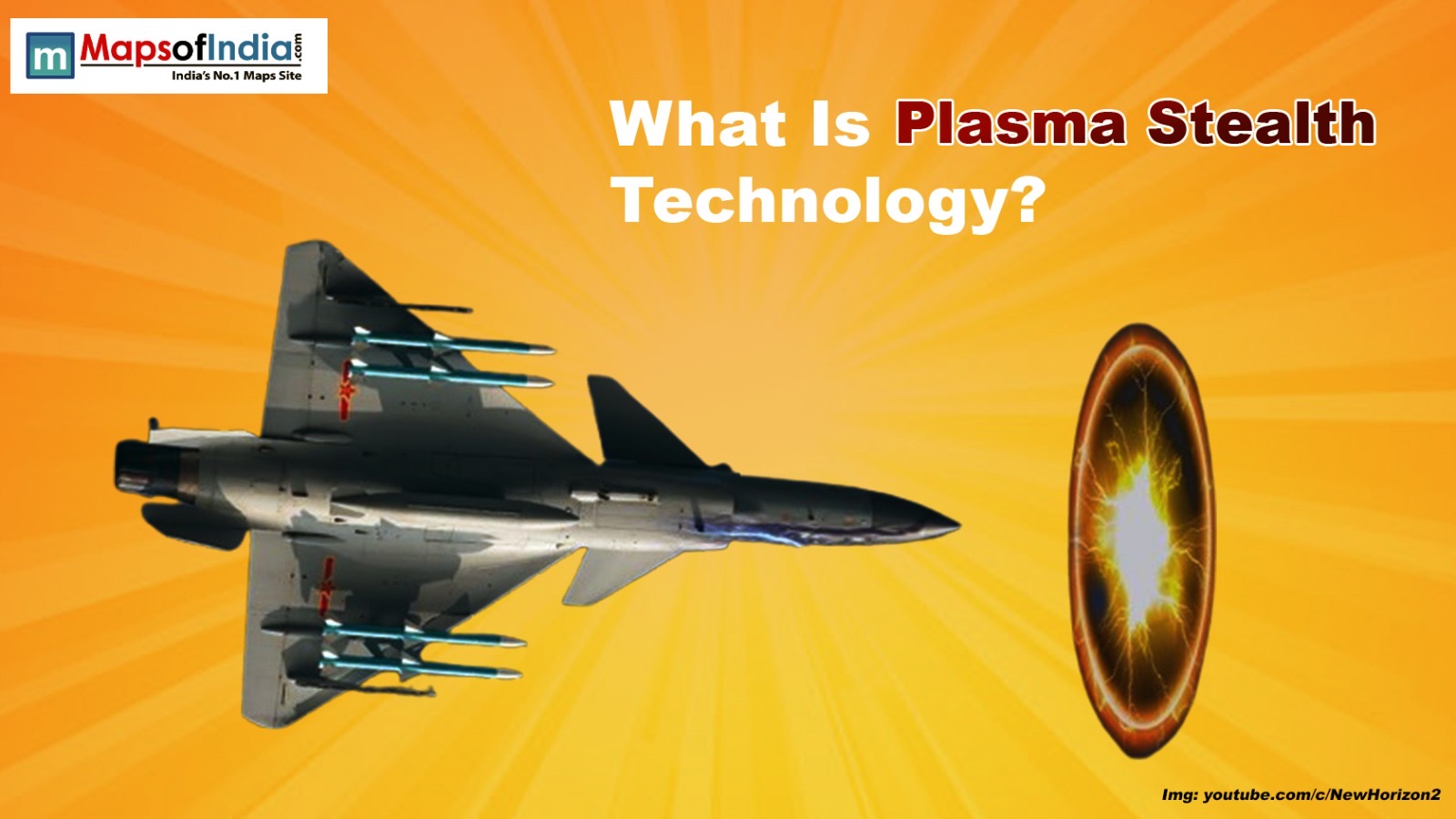
Plasma stealth is a game-changing technology that uses ionised gas, or plasma, to absorb and scatter the electromagnetic waves emitted by radar systems in an attempt to lessen an object's radar signature. Traditional stealth technology uses radar-absorbing materials (RAM) and geometric airframe shapes to divert radar signals. Yet plasma stealth provides a higher-tech solution by hiding an aircraft in a plasma cloud, drastically reducing its radar cross-section. Likewise, a high-energy electric or electromagnetic field ionises the surrounding air, forming a plasma sheath that gives a reaction to incoming radar waves. According to the properties of this plasma, it either absorbs or, refracts or diffuses these waves, making the aircraft nearly invisible and undetectable by any radar. In contrast to conventional RAM coatings providing passive stealth, plasma stealth is an active way to reduce the RCS, a promising technology for advanced stealth aircraft research.India's Efforts in Plasma Stealth Development
India is actively pursuing its own research in plasma stealth technology by engaging its frontline defence research bodies, such as the Defence Research and Development Organisation (DRDO) and the Aeronautical Development Agency (ADA). Plasma stealth technology is an area of both strategic and tactical significance that India is investing research energy and resources in. One major area of study is incorporating plasma stealth technology options within India's indigenous warrior aircraft programs, the Advanced Medium Combat Aircraft (AMCA), and future Tejas Light Combat Aircraft (LCA) upgrades. Although specific details are scarce, Indian scientists are investigating a range of approaches to create plasma jets around an aircraft, including plasma actuators, dielectric barrier discharge and high-energy electromagnetic waves, generating plasma clouds. India is also exploring plasma cloaking technology for autonomous and stealth drones. With drones becoming increasingly integral to modern warfare, both for reconnaissance and mission requirements, integrating plasma stealth into UAVs is a potential game-changer in electronic warfare and intelligence collection.Potential Applications of Plasma Stealth Technology
This technique has been used successfully and could change many aspects of modern warfare. Here are some of the most promising applications:- Stealth Fighter Aircraft: The AMCA program in India calls for a fifth-generation stealth fighter jet capable of defeating advanced air defence systems. AMCA can prove to be invincible by integrating plasma stealth.
- Stealth Drones and UAVs: Drones with stealth capability are instrumental for surveillance, reconnaissance, and pinpoint attacks. The Indian UAVs could also fly undetected in the enemy territory, making them very useful for reconnaissance and surgical strikes using plasma stealth.
- Naval Applications: Naval ships can utilise plasma stealth technology, reducing the radar signature of warships and submarines. This would enhance the stealth of the Indian naval fleet, allowing enemy forces to have challenges tracking Indian warships.
- Missile Defence Systems: Such plasma-based stealth coatings could reduce the radar cross-sections of missiles and ballistic systems, allowing them to remain undetected by enemy radar and air defence systems. This would have bolstered India’s strategic deterrent and further improved its missile arsenal's operational effectiveness.
Obstacles to the implementation of plasma-stealth technology
Although promising, the technology is still far off from being ready to be used in combat.- Energy Requirements: Keeping the plasma sheath going takes a lot of energy. Developing small, light and efficient energy sources for aircraft and drones is still one of the serious challenges of plasma stealth research.
- Control and Stability: The challenge of keeping a stable plasma layer around an aircraft, particularly at the high speeds and fluctuating altitudes involved in long-range flight, is, well, in the air. Changes in plasma density might also affect its ability to absorb radar waves, giving it a varying stealth capability.
- Impact on Aerodynamics: A plasma cloud surrounding an aircraft can change its aerodynamic profile, impacting the flight and manoeuvrability of the aircraft. Plasma stealth must complement the stealthiness of any aircraft while doing so, researchers must ensure.
- In-operation with Pre-existing Systems: Don't forget that plasma stealth technology should not lead to interference with current avionics, radar and communication facilities. It is a challenge that the Indian defence scientists must meet to ensure that the product supports modern fighter jet platforms.