In 1947, after years of oppressive British rule, our country finally managed to break free of the clutches. 1947, the year of independence, was when the entire nation unified, sweeping itself into a patriotic fold. Thus, began our “tryst with destiny”- a fruitful, yet demanding and slow process.
The Constituent Assembly was formed, and an epic constitution drafted. The lengthiest constitution in the world, it perfectly reflects the mind-boggling diversity of the country; enshrining the values of justice, liberty, equality, fraternity, and dignity. The Constitution of India was adopted on November 26, 1949, and came into force on January 26, 1950. Dr. Rajendra Prasad was elected the first constitutional head of the state, the President of India.
Since 1950, India has had 13 full-time Presidents, the 14th currently serving his tenure (since July 25, 2017). There have been three periods when the nation was headed by an acting President.
The 14th President of India, Ram Nath Kovind completed his presidential term in July 2022. While he was eligible for re-election, Kovind didn’t contest. Consequently, on July 25, 2022, Droupadi Murmu became the 15th President of India, appointed by the Electoral College.
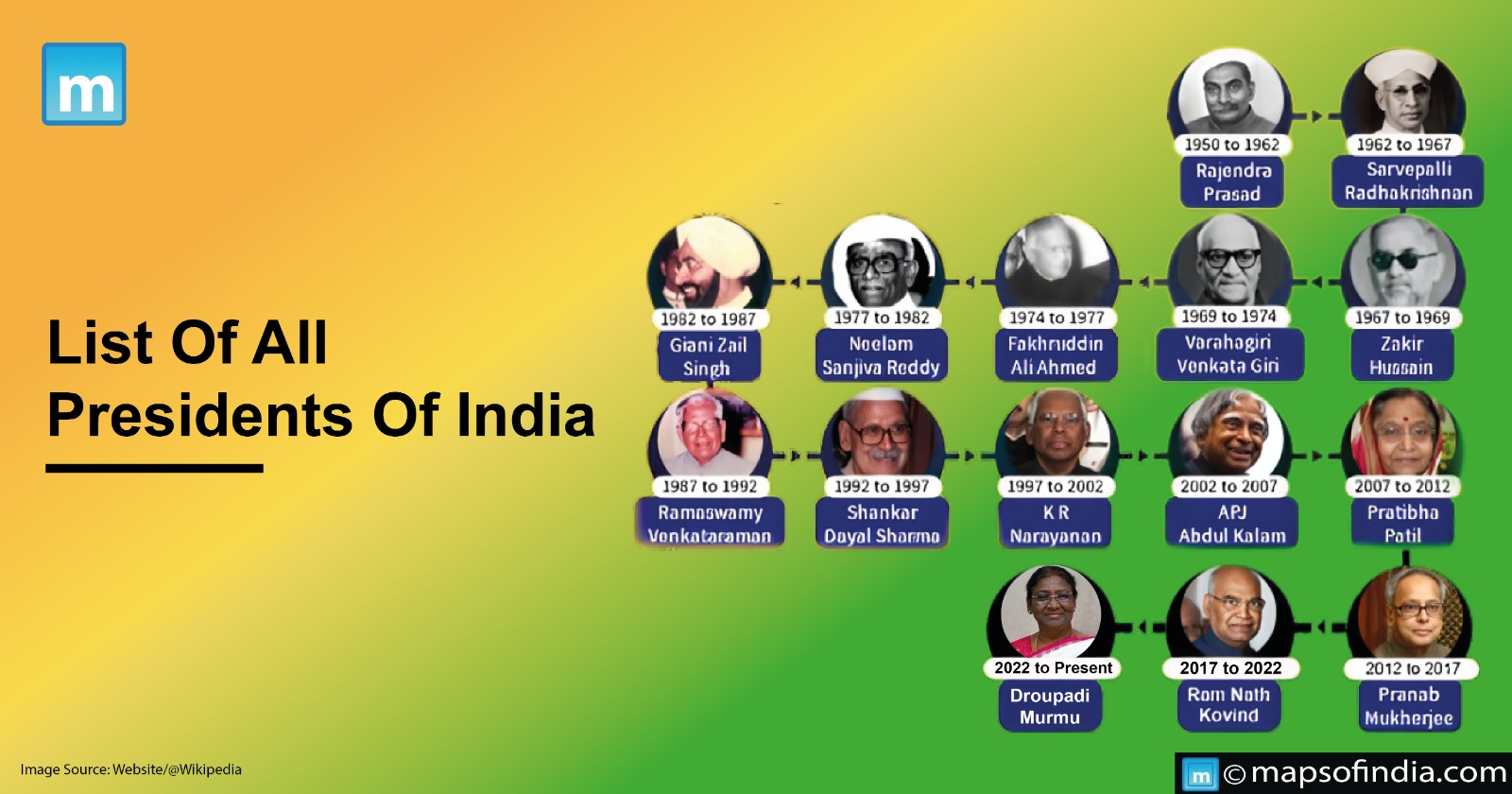
List of All Presidents of India
The following is the list of all Presidents of India in chronological order:
| No. | Name | Tenure |
| 1 | Rajendra Prasad | 1950 to 1962 |
| 2 | Sarvepalli Radhakrishnan | 1962 to 1967 |
| 3 | Zakir Hussain | 1967 to 1969 |
| - | VV Giri (Acting President) | 1969 to 1969 |
| - | Mohammad Hidayatullah (Acting President) | 1969 to 1969 |
| 4 | V.V Giri | 1969 to 1974 |
| 5 | Fakhruddin Ali Ahmed | 1974 to 1977 |
| - | Basappa Danappa Jatti (Acting President) | 1977 to 1977 |
| 6 | Neelam Sanjiva Reddy | 1977 to 1982 |
| 7 | Giani Zail Singh | 1982 to 1987 |
| 8 | R Venkataraman | 1987 to 1992 |
| 9 | Shankar Dayal Sharma | 1992 to 1997 |
| 10 | K R Narayanan | 1997 to 2002 |
| 11 | APJ Abdul Kalam | 2002 to 2007 |
| 12 | Pratibha Patil | 2007 to 2012 |
| 13 | Pranab Mukherjee | 2012 to 2017 |
| 14 | Ram Nath Kovind | 2017 to 2022 |
| 15 | Droupadi Murmu | 2022 to Present |
The President of India is the head of the state and also the Commander-in-Chief of the country’s armed forces. All executive decisions made by the Prime Minister and the government are taken in the name of the President.
While many of our presidents have been illustrious achievers with an independent outlook, a number of them have also risen from the political echelons of the country. As the President, however, they have risen above their political inclinations and chosen to function in the best interests of the nation.
Here are the details of India’s presidents and their terms:
(please click Next > to know the names of India's presidents till now)Rajendra Prasad
[caption id="attachment_82178" align="aligncenter" width="669"]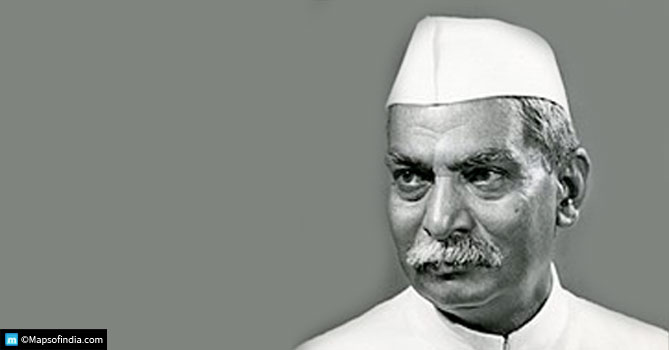 Rajendra Prasad[/caption]
Term - January 26, 1950 to May 12, 1962
An inspirational freedom fighter and a leading figure of the Quit India Movement, Rajendra Prasad was elected by the Constituent Assembly to be the first President of India. Subsequently, he was also elected by the Electoral College in 1951. In 1957, Prasad was re-elected as the head of state of India. He, thus, became the only Indian President to have served two terms. President Prasad set the standard high for the future occupants of the office.
Political Affiliation - Indian National Congress
Sarvepalli Radhakrishnan
[caption id="attachment_82179" align="aligncenter" width="669"]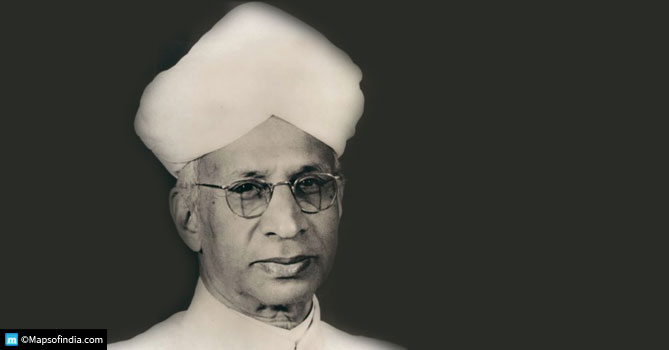 Sarvepalli Radhakrishnan[/caption]
Term - May 14, 1962 to May 13, 1967
Accomplished academic and scholar, erudite philosopher and teacher, Sarvepalli Radhakrishnan was elected the second President of India. Radhakrishnan had been knighted in 1931 and had received the Bharat Ratna in 1954. His election to the office brought a great emphasis to the education system and academic development of the country. Before his election to the President's office, Radhakrishnan had remained free of any political involvement and this was a trend setter. He was also the first Vice-President of India who served under India's first President Rajendra Prasad.
Political Affiliation - Independent
Zakir Husain Khan
[caption id="attachment_82180" align="aligncenter" width="669"]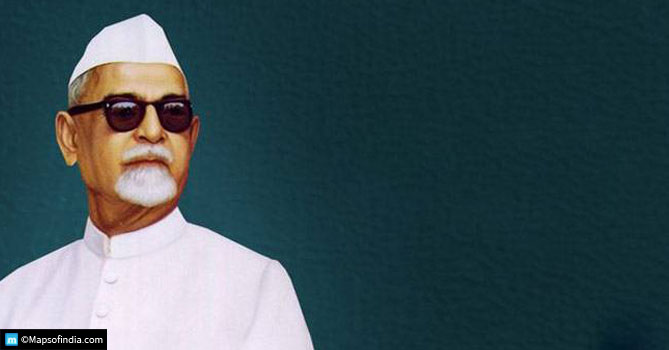 Zakir Hussain[/caption]
Term - May 13, 1967 to May 3, 1969
Another eminent scholar and educationist, Zakir Hussain stepped into the footsteps of S. Radhakrishnan and was elected as the third President of India. He was the vice Chancellor of the Aligarh Muslim University and the co-founder of the Jamia Millia Islamia University of Delhi. Hussain was also the recipient of the Bharat Ratna in 1963. He was the first Muslim President of the country and also the first president to die in office. Also, he was the second Vice President in the History of the country. Besides, being the President and the Vice president, he also served as Governor from 1957 to 1962 in Bihar.
Political Affiliation - Independent
Varahagiri Venkata Giri (Acting President & President)
[caption id="attachment_82181" align="aligncenter" width="669"]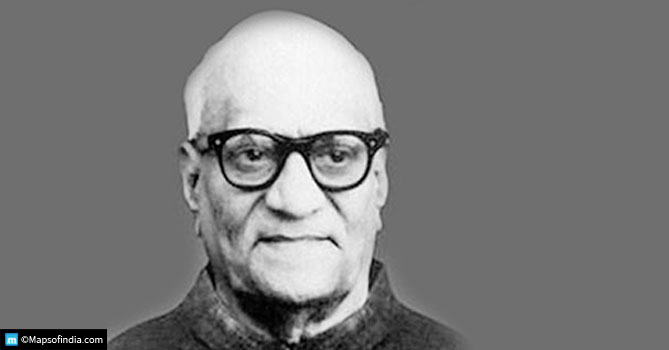 V V Giri[/caption]
In Office - May 3, 1969 to July 19, 1969
The demise of Zakir Husain in office made it necessary to elevate Vice President Varahagiri Venkata Giri to the position of the (acting) President of India. He served in this capacity for over a couple of months and then resigned in order to be considered a candidate in the upcoming presidential elections.
Muhammad Hidayatullah (Acting President)
[caption id="attachment_82182" align="aligncenter" width="669"]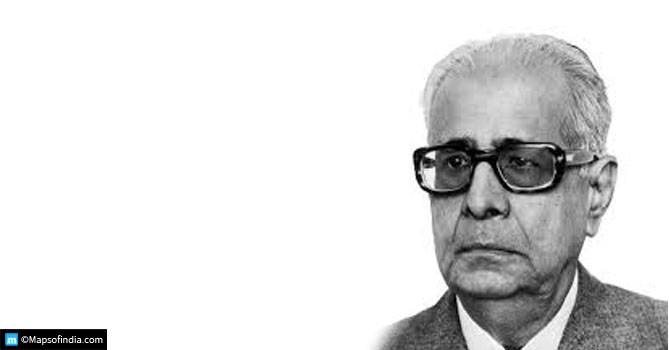 Muhammad Hidayatullah[/caption]
In Office - July 20, 1969 to August 24, 1969
Mohammad Hidayatullah was a well-known name. An eminent jurist and scholar, he had served as the Chief Justice of India between 1968 and 1980 and had gained a blemish-free reputation. With VV Giri's resignation as the acting president, Mohammad Hidayatullah took over as the next acting president of India until the elections were conducted. Mohammad Hidayatulla in his time was the youngest Chief Justice of High Court, Advocate General and the youngest Judge on the Supreme Court of India.
V V Giri
[caption id="attachment_82181" align="aligncenter" width="669"] V V Giri[/caption]
Term - August 24, 1969 to August 24, 1974
Giri had served as India's first High Commissioner to Ceylon (later Sri Lanka) between 1947 and 1951. He had also been the Governor of Uttar Pradesh (1956 to 1960), Governor of Kerala (1960 to 1965) and the Governor of Karnataka (1967 to 1969) before serving as the Vice President and then the President. V.V Giri was also honored with Bharat Ratna in 1975.
Political Affiliation - Independent
Fakhruddin Ali Ahmed
[caption id="attachment_82183" align="aligncenter" width="669"]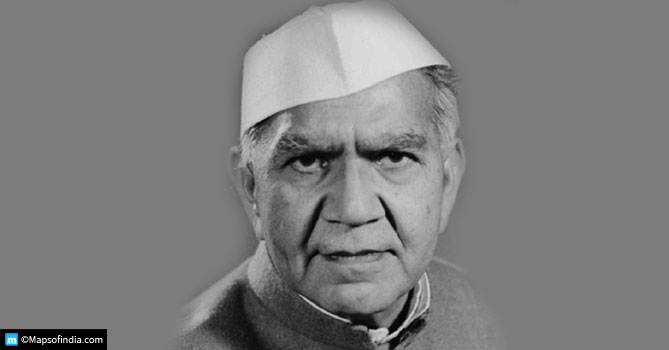 Fakhruddin Ali Ahmed[/caption]
Term - August 24, 1974 to February 11, 1977
Fakhruddin Ali Ahmed had served as a minister before being elected as the President of India. His term was possibly the most controversial since this was when a state of emergency had been declared across the country. Elections and other civil freedoms including the freedom of the press were curbed at this time and Prime Minister Indira Gandhi assumed unchecked authority. He was the second Muslim President of India and also the second Indian President to die in office.
Political Affiliation - Indian National Congress
Basappa Danappa Jatti (Acting President)
[caption id="attachment_82184" align="aligncenter" width="669"]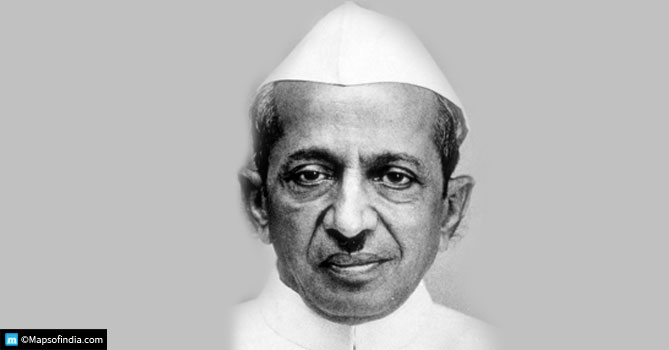 Basappa Danappa Jatti[/caption]
In Office - February 11, 1977 to July 25, 1977
Fakhruddin Ali Ahmed was the second president to die in office and the Vice President Basappa Danappa Jatti was sworn in as the Acting President. He had earlier been the Chief Minister of Mysore state. After serving as Chief Minister, Basappa Danappa Jatti also served as the Lieutenant Governor of Puducherry(1968-1975) and 9th Governor of Odisha(1972-1974)
Neelam Sanjiva Reddy
[caption id="attachment_82185" align="aligncenter" width="669"]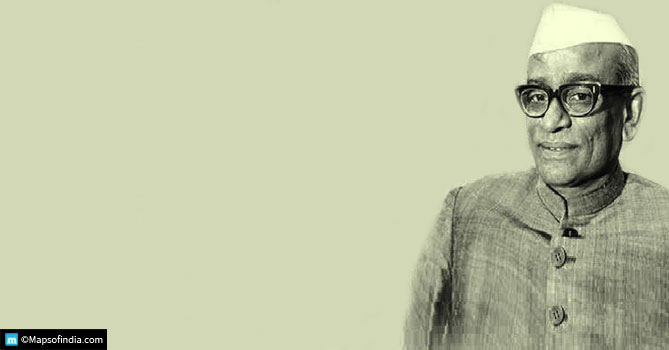 Neelam Sanjiva Reddy[/caption]
Term - July 25, 1977 to July 25, 1982
N S Reddy was another famous freedom fighter and inspiring revolutionist from southern India. Initially a member of the Indian National Congress, he served as a Union Minister under Prime Ministers Lal Bahadur Shastri and Indira Gandhi. He was the first CM of Andhra Pradesh state and also had served as the Speaker of Lok Sabha. In 1975, he joined the Janata Party and by 1977 was elected President of India. Neelam Sanjiva Reddy was the first President who got elected unopposed and the youngest President to step in Rashtrapati Bhavan.
Political Affiliation - Janata Party
Giani Zail Singh
[caption id="attachment_82186" align="aligncenter" width="669"]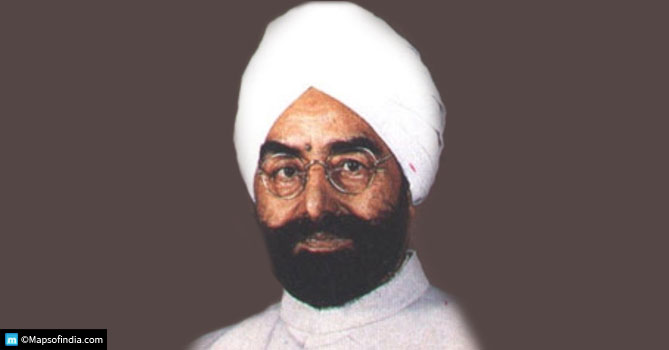 Giani Zail Singh[/caption]
Term - July 25, 1982 to July 25, 1987
A leading politician with the Indian National Congress, Zail Singh had served as the Home Minister and had held several ministerial positions before being elected as the President. His term in office was also one of the most politically controversial periods marked by Operation Blue Star. PM Indira Gandhi was assassinated and the anti-Sikh riots of 1984 that followed also marked this period. He remains the only Sikh who served as the country's President. Giani Zail Singh was also the member of Rajya Sabha from 1956 to 1962.
Political Affiliation - Indian National Congress
Ramaswamy Venkataraman
[caption id="attachment_82187" align="aligncenter" width="669"]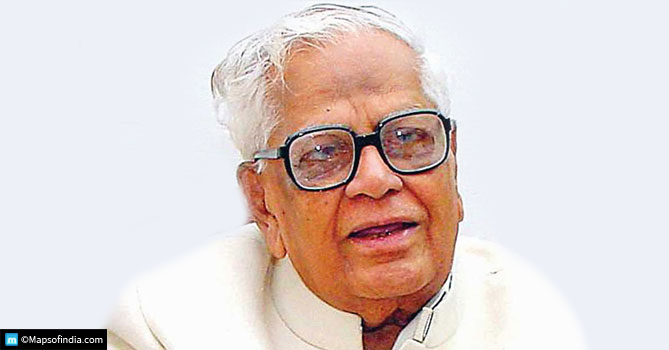 Ramaswamy Venkataraman[/caption]
Term - July 25, 1987 to July 25, 1992
R Venkataraman was a freedom fighter who later joined the Congress party and was elected four times as a member of the Lok Sabha. After serving as the Finance Minister and Defence Minister, he had been elected as the Vice president. Later R Venkataraman was elected as the President of India.
Political Affiliation - Indian National Congress
Shankar Dayal Sharma
[caption id="attachment_82188" align="aligncenter" width="669"]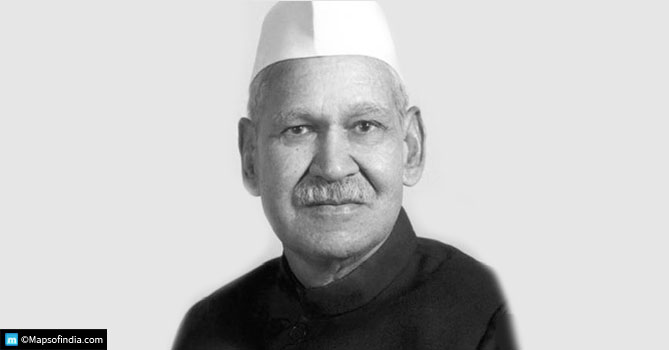 Shankar Dayal Sharma[/caption]
Term - July 25, 1992 to July 25, 1997
Shankar Dayal Sharma was another eminent politician (Indian National Congress) who had served as the Chief Minister of Bhopal (between 1952 and 1956), as a Cabinet Minister (between 1956– and 1967 and again between 1972 and 1974). He held several key portfolios. In 1992, he was elected President of India. His commitment to the ‘rule of law’ was widely appreciated. Shankar Dayal Sharma also served as the governor of Punjab in 1985 and before this in 1984 served in Andhra Pradesh under the same designation.
Political Affiliation - Indian National Congress
Kocheril Raman Narayanan
[caption id="attachment_82189" align="aligncenter" width="669"]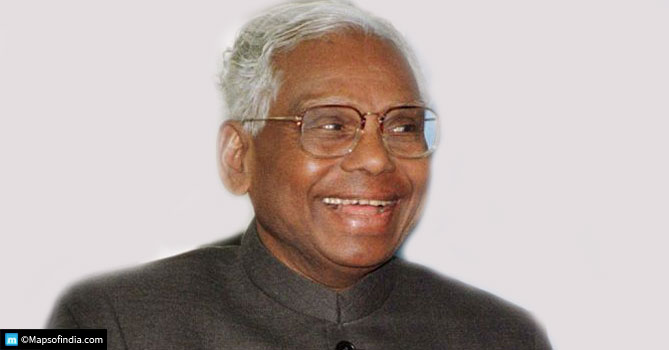 Kocheril Raman Narayanan[/caption]
Term - July 25, 1997 to July 25, 2002
Kocheril Raman Narayanan was an accomplished scholar and an eminent statesman. An IFS (Indian Foreign Service) officer, he had been India's ambassador to several countries including the USA, Japan, UK, China, and Turkey. He was often referred to as "the best diplomat of the country". Later as a Lok Sabha member, he served as a Cabinet Minister.
In 1997. K R Narayanan became the first Dalit President of the country. He remained very involved in the government and often called himself a "working President". He was a trendsetter and set benchmarks and protocols in office.
Surprising fact regarding his appointment as IFS comes from a story where his teacher Harold Laski a prominent political theorist and economist at his London School of Economics recommended him to then Prime Minister Dr. Jawaharlal Nehru.
Political Affiliation - Independent
Avul Pakir Jainulabdeen Abdul Kalam
[caption id="attachment_82190" align="aligncenter" width="669"]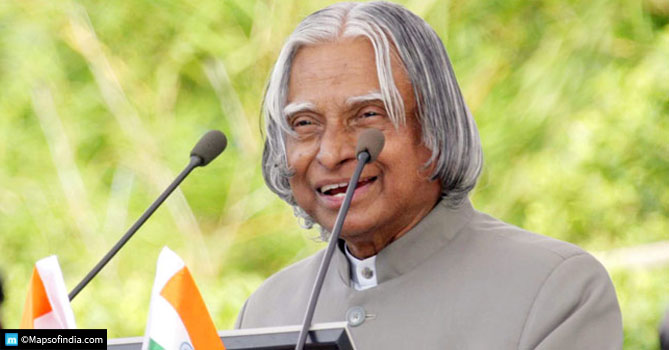 A. P. J. Abdul Kalam[/caption]
Term - July 25, 2002 to July 25, 2007
APJ Abdul Kalam was probably the best known among the Presidents of India. An eminent scientist, he is known as the architect of India's nuclear missile programme. He was also closely involved with the country's civilian space programme, contributing greatly to many breakthroughs.
He received the Bharat Ratna and inspired the younger generation to foster education and values. Bharat Ratna Abdul Kalam is called the 'People's President', and with good reason.
Political Affiliation - Independent
Pratibha Patil
[caption id="attachment_82191" align="aligncenter" width="669"]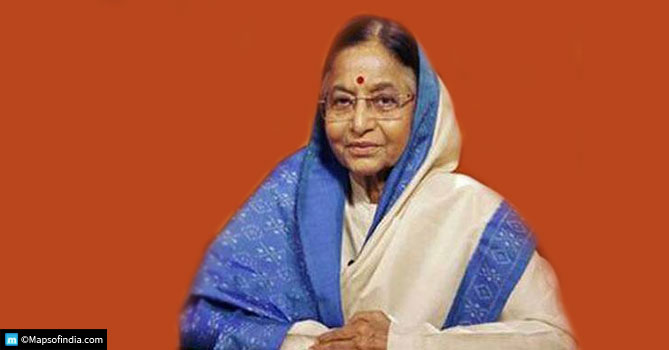 Pratibha Patil[/caption]
Term - July 25, 2007 to July 25, 2012
Pratibha Patil was the first and is the only (as of January 2017) woman to have held the President of India’s office. Between 2004 and 2007, she had served as the Governor of Rajasthan state. She is also dubbed as the most merciful President of India as she commuted sentences of 35 petitioners to life. Also, the only President having the most number of foreign trips in her tenure.
Political Affiliation - Indian National Congress
Pranab Mukherjee
[caption id="attachment_82192" align="aligncenter" width="669"]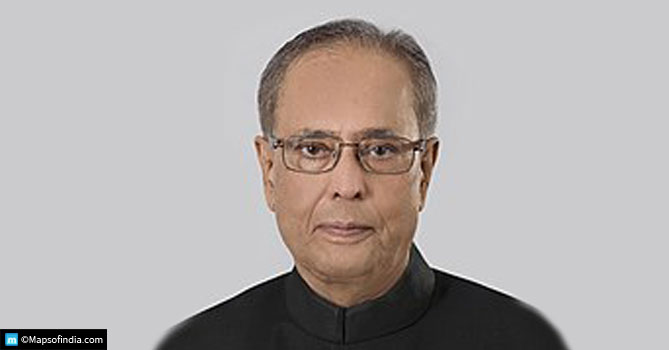 Pranab Mukherjee[/caption]
Term - July 25, 2012 to July 25, 2017
The incumbent President of India Pranab Mukherjee was a senior politician who holds the respect of across the nation. He had served in various key positions including that of the Leader of the Rajya Sabha (between 1980 and 1985) and as the Defence Minister (between 2004 and 2006), Minister of External Affairs (between 2009 and 2012) and as the Finance Minister of India (between 2009 and 2012).
Despite the accession of the BJP at the center, he had maintained the dignity of the office and remained an unbiased head of state.
On August 8, 2019, the former President was also conferred with the highest civilian award 'Bharat Ratna' for his service to the nation.
Political Affiliation - Indian National Congress
Ram Nath Kovind
[caption id="attachment_82193" align="aligncenter" width="669"]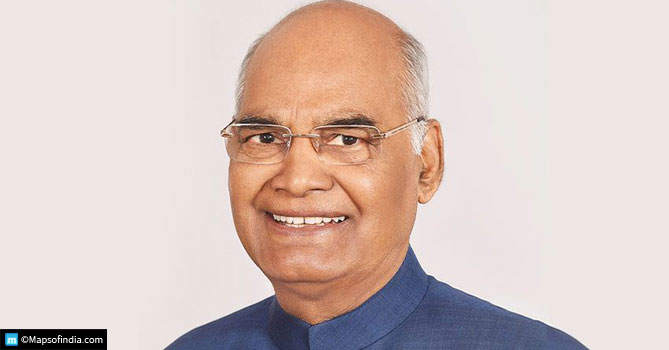 Ram Nath Kovind[/caption]
Term - July 25, 2017 - July 17, 2022
Ram Nath Kovind was the 14th and incumbent president of India and assumed office on 25 July 2017. From 1994 to 2006, Kovind was a Member of Parliament, Rajya Sabha, and was the 35th Governor of Bihar from 2015 to 2017. The second Dalit to become the President of India, Kovind has been a lawyer for 16 years. He practiced at the Delhi High Court until 1993. During his presidency, he has made 29 foreign trips and has received the Highest State of Honour in countries like Croatia, Bolivia, Republic of Guinea, Madagascar, Eswatini.
Political Affiliation - Bharatiya Janata Party
Droupadi Murmu
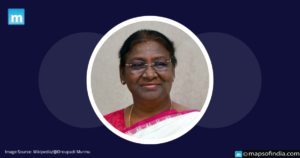 Incumbent President(July 25, 2022 - Present)
The fifteenth and reigning President of India is Droupadi Murmu. She started serving on July 25, 2022. She is the very first tribal representative to hold the post and the second female to do so after former President Pratibha Patil. She is additionally the youngest President of Independent India and the firstborn President of the country after the Independence. She also served as the minister of State in the Odisha government(2000-2004) and also held the office of Governor of the State of Jharkhand (2015-2021).
Incumbent President(July 25, 2022 - Present)
The fifteenth and reigning President of India is Droupadi Murmu. She started serving on July 25, 2022. She is the very first tribal representative to hold the post and the second female to do so after former President Pratibha Patil. She is additionally the youngest President of Independent India and the firstborn President of the country after the Independence. She also served as the minister of State in the Odisha government(2000-2004) and also held the office of Governor of the State of Jharkhand (2015-2021).
Related Link: