Early Life and Education
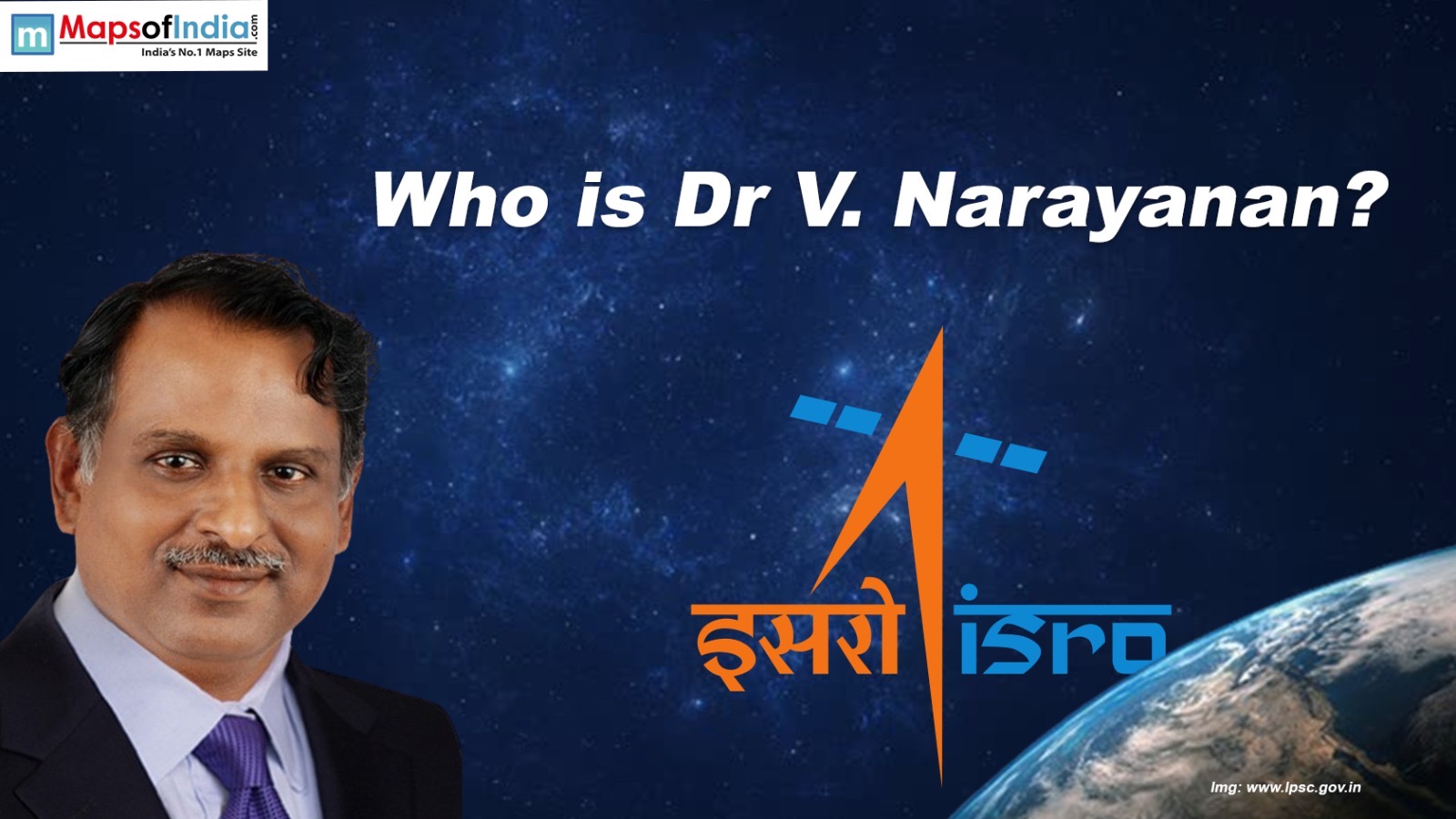
Dr. V. Narayanan, synonymous with excellence in Indian space exploration, spearheaded the development of advanced technologies that have made India a global space power. Dr. Narayanan grew up in a small town in Tamil Nadu, India, where his family recognised an early interest in science and engineering. He also graduated in Mechanical Engineering from the University of Madras and specialised in propulsion systems in his postgraduate studies at the Indian Institute of Science (IISc), Bangalore. His educational background gave him the technical know-how to contribute substantially to space science. He also earned a doctorate in aerospace propulsion, specialising in cryogenic technologies, a field that would be the foundation of his career.Career Milestones
Early Roles at ISRO
Dr. Narayanan began his distinguished career in space science when he joined the Indian Space Research Organization (ISRO) in the early 1990s. His early assignments included work on liquid propulsion systems essential for getting a satellite into the desired orbit. During the next few decades, ISRO witnessed rapid growth under his innovative leadership.Development of Cryogenic Propulsion
Dr. Narayanan’s most outstanding contribution has perhaps been to cryogenic propulsion. Cryogenic engines utilise supercooled liquid hydrogen and liquid oxygen for propulsion, allowing rockets to carry heavier payloads to higher orbits. As India encountered global restrictions on the procurement of cryogenic technology, Dr. Narayanan and his group helped forge its indigenous development, a vital technology piece. He is popular for his role in the mission of development of the Cryogenic Upper Stage (CUS), which is used in the Geosynchronous Satellite Launch Vehicle (GSLV). This success was a milestone, proving India's ability to develop indigenous advanced propulsion systems.Head of Liquid Propulsion Systems Centre(LPSC)
Dr. Narayanan was the Director of ISRO's Liquid Propulsion Systems Centre (LPSC) and was instrumental in developing propulsion systems for ISRO’s launch vehicles and spacecraft. His work focused on technical endeavours and included helping to train young scientists and instil a spirit of innovation within them.Advantages of India’s Space Projects Contributions
Chandrayaan and Mars Orbiter Missions
Dr. Narayanan played a key role in India’s flagship space missions, including Chandrayaan (India’s lunar exploration program) and the Mars Orbiter Mission (Mangalyaan). Both missions needed propulsion systems that could execute sophisticated maneuvers far away from Earth. His team played an important role in the success of these historic projects, which also demonstrated India's technological power to the world.Human Spaceflight Program
Dr. Narayanan has also been a key figure in India's Gaganyaan mission, the country’s first human spaceflight program. His expertise in propulsion systems has been crucial for developing reliable technologies to ensure the safety and success of this ambitious venture.Advocacy for Green Propulsion
Dr. Narayanan has been an outspoken proponent of creating sustainable propulsion systems in recent years. He has championed green propellants with a low environmental footprint but is high-performance. His work fits into global trends toward more sustainable space exploration.Leadership Philosophy
Dr. Narayanan’s leadership style blends technical ingenuity, visionary thinking, and an unyielding commitment to national objectives. He advocates collaboration within academia, industry, and government institutions to drive innovation at pace. His focus on young talent development has ensured that a new generation of space scientists is ready to address upcoming challenges.Awards and Recognition
Dr. Narayanan has achieved considerable prominence as an Indian space scientist. Some of the awards he has been recognised with include:- Silver Medal from IIT Kharagpur.
- Gold medal from the Aeronautical Society of India.
- ISRO–Outstanding Achievement Award — for contributing to propulsion technologies.
- National Aeronautical Prize to recognise his cutting-edge contributions to aerospace propulsion.