 We belong to a country that has fought a long and painful battle to achieve the basics of healthcare. The eradication of small pox and polio have been an uphill struggle, dengue and malaria continue to claim hundreds of lives each year.
Coming from a nation where the poor and rural population either do not have access to or cannot afford medical help and treatment, the fact that India’s lower house of parliament, the Lok Sabha has chosen to pass a bill that promises essential aid to HIV/AIDS patients, is certainly a matter of pride.
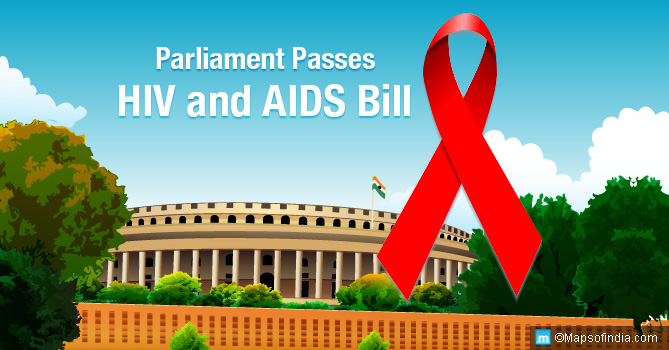
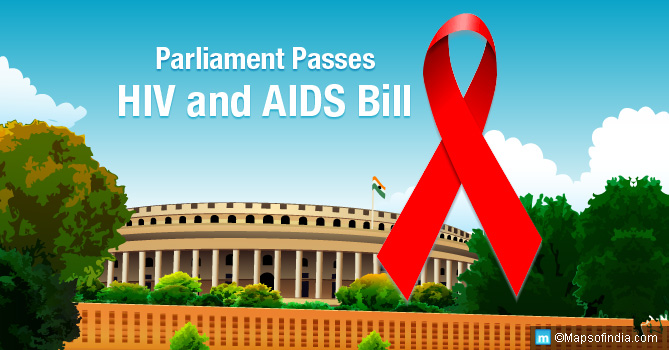
On April 12, 2017, the House of the People unanimously passed the HIV and AIDS (Prevention and Control) Bill, which ensures equal rights (protection against discrimination) to HIV/AIDS-affected individuals while seeking treatment, employment, and education. India is the first South Asian country to pass such legislation. Union Health Minister J P Nanda lauded the passage of the Bill as a “historic” moment.
The HIV and AIDS (Prevention and Control) Bill had previously been passed by the Rajya Sabha on March 21, 2017, and it now awaits the President’s approval.
Provisions of the Bill
We belong to a country that has fought a long and painful battle to achieve the basics of healthcare. The eradication of small pox and polio have been an uphill struggle, dengue and malaria continue to claim hundreds of lives each year.
Coming from a nation where the poor and rural population either do not have access to or cannot afford medical help and treatment, the fact that India’s lower house of parliament, the Lok Sabha has chosen to pass a bill that promises essential aid to HIV/AIDS patients, is certainly a matter of pride.
On April 12, 2017, the House of the People unanimously passed the HIV and AIDS (Prevention and Control) Bill, which ensures equal rights (protection against discrimination) to HIV/AIDS-affected individuals while seeking treatment, employment, and education. India is the first South Asian country to pass such legislation. Union Health Minister J P Nanda lauded the passage of the Bill as a “historic” moment.
The HIV and AIDS (Prevention and Control) Bill had previously been passed by the Rajya Sabha on March 21, 2017, and it now awaits the President’s approval.
Provisions of the Bill
- The legislation makes discrimination of people suffering from HIV/AIDS a crime. Infected people cannot be discriminated against when they apply for treatment, for employment, and seek admission in educational institutions. They may also not be restricted in their access to public places such as use of restaurants, entertainment venues, rest rooms, and burial grounds. Patients shall also be free to run for public offices.
- The Bill provides for equal rights to HIV and AIDS infected people in getting treatment and health care. It makes it a criminal offence for anyone to express negative feelings for people based on their medical condition. Such people may also enjoy equal opportunity when it comes to inheritance and enjoyment of property, says the Bill.
- The Bill makes it a criminal offence for institutions to force individuals to divulge their HIV status without their written consent. No medical tests and treatment may be conducted on them without their consent as well. The confidentiality of their medical records shall be held at all times.
- New HIV infections should be reduced to less than 500,000 (global figures)
- AIDS-related deaths should also be reduced to less than 500,000 (global figures)
- Discrimination based on HIV/AIDS should be eliminated by member nations.