Advantages of Urbanisation
- Technology and Infrastructure: There is an enhancement in technology and infrastructure as more resources join in to build and contribute.
- Transport and communication: It gives better facility in carrying things from one place to another. Hence, it improves transport services, including communication with varied people from different walks of life as there is a mix of cultures and ethnicities from across the country.
- Nation's growth: Population moving from one place to another impacts the GDP (Gross Domestic Product) as their standard of living transforms accordingly.
Disadvantages of Urbanisation
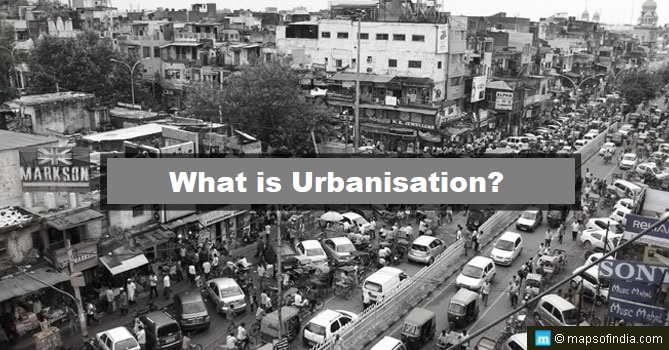
- Occupancy: When large numbers of people migrate over a short period, overcrowding becomes an issue, often seen in cities in developing nations. One could feel more pressure and stress when such things happen in their city.
- Housing: It slowly becomes inadequate when people shift to cities across the country. The chaotic or improper way of urbanisation leads to housing shortages. Flats and smaller apartments are built rather than houses with larger gardens to generate more space.
- Risk of transmission: Slums and poor sanitation create a threat for the people when urbanisation occurs informally. Inadequate drinking water facilities, insufficient sewage problems can cause asthma and other diseases. Germs pollute the environment while people change their places.
- Traffic: It does not slow down but increases as populations increase, leading to environmental pollution. It is a concern for human health. Studies suggest that pollution lowers life expectancy in Mexico city.
- 5. Crime: After the people migrate, there is a situation of unemployment with large job seekers; one tries their chances on activities that lead to crimes.