Types of Touchscreens
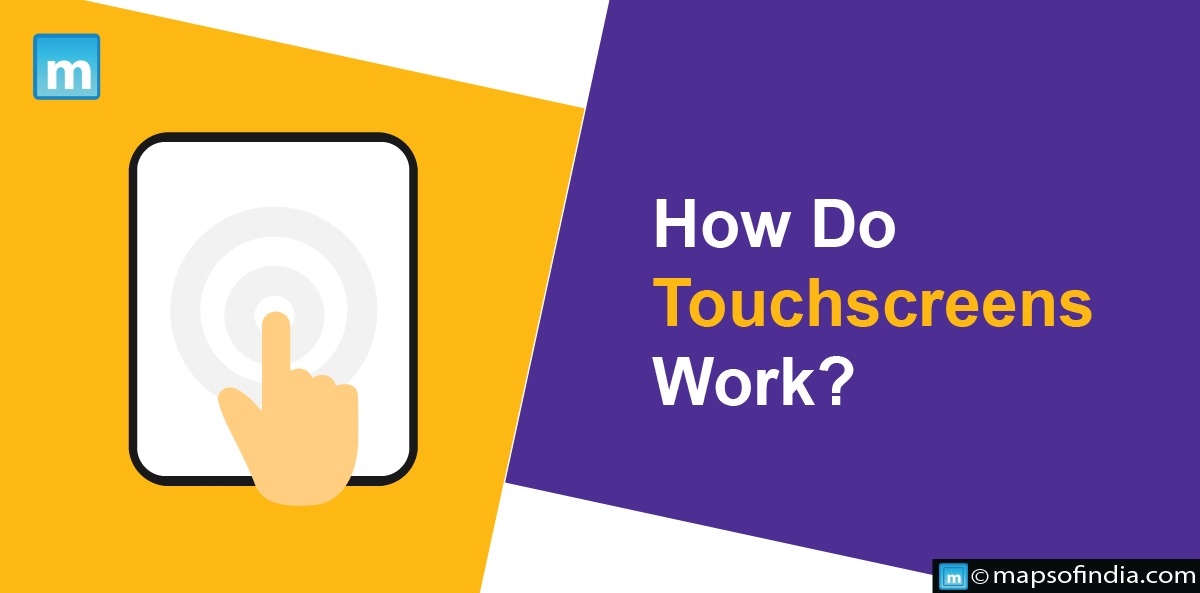
Yes! There are different types of touchscreens, too. However, usually, there are two types of touchscreens: resistive and capacitive, each with its method of converting gestures into actions.-
Resistive Touchscreens
Resistive Advantages
-
Simple and affordable
-
Work with any object
Resistive Disadvantages
-
Less responsive and accurate
-
Susceptible to scratches and tears
-
Limited multi-touch
Capacitive Touchscreens
Capacitive touchscreens, on the other hand, rely on our skin's conductive properties. Consider a grid of miniscule wires on the screen generating an invisible pattern. This grid creates an electrical field over the screen's surface. When you contact the screen with your finger, the electrical field is disrupted, generating a change in capacitance. This change is detected by sensors integrated into the screen, which determines the location of the touch. Unlike resistive touchscreens, capacitive touchscreens do not require pressure to detect input; a light tap is sufficient. This extremely sensitive technology supports multi-touch movements, enabling pinch-to-zoom and other natural interactions.Capacitive Advantages
-
Highly responsive and accurate
-
Durable and scratch-resistant
-
Multi-touch capable
Capacitive Drawbacks
-
Only work with conductive materials
-
More expensive