Two types of HTML elements
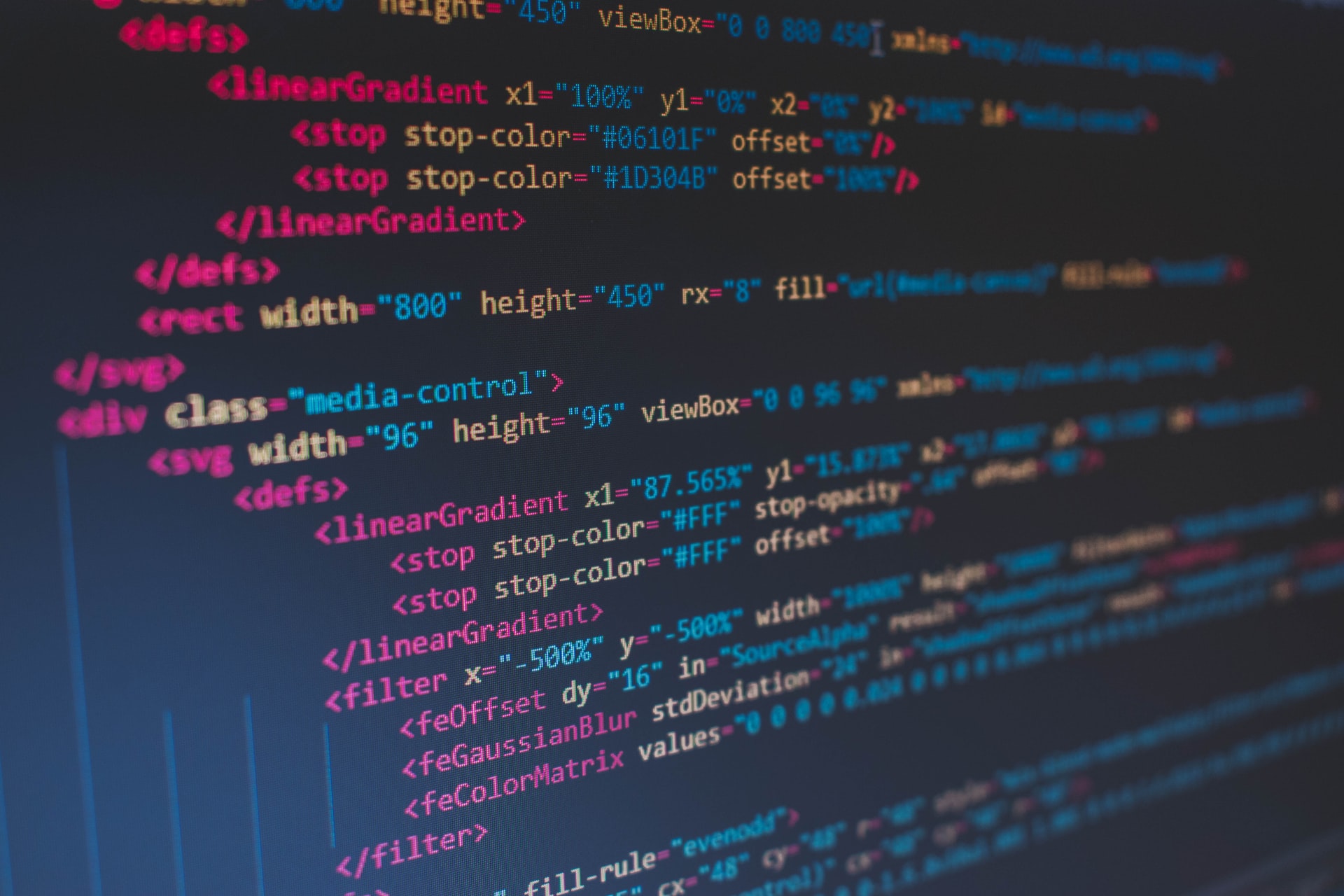
[caption id="attachment_102708" align="aligncenter" width="665"]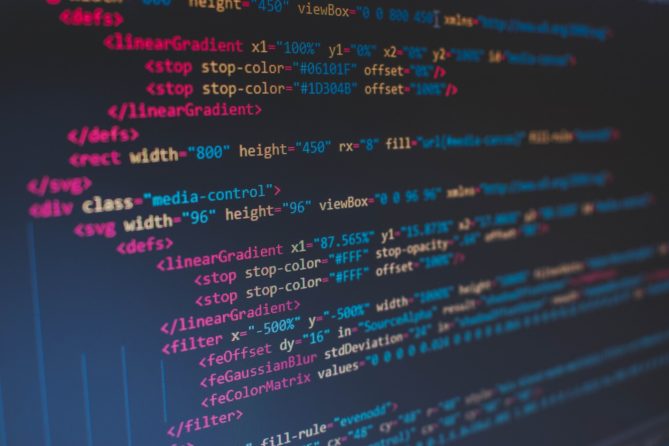 Photo by Florian Olivo on Unsplash.[/caption]
a) Structural elements: These are the HTML elements that arrange the content of a web page. Structural elements such as <div> and <span> are taken into consideration to indicate block-level content (content that uses the full width of its “container” or page) versus inline content (content that only uses the space between its tags), while elements like <header> contain the header content of a page, <footer> consists of the footer content.
b) Meta elements: These are HTML elements that users don’t view when they come to a webpage, but provide web browsers extra information about the page such as things like the author of the document, keywords, the time and date it was last altered, etc. These are primarily used for an official log that is kept on the SEO service provider’s end or for running the website for search engine results, making it in Google search whenever a person searches any keyword topic related to the website.
Attributes are mentioned in the opening tag. They consist of the attribute name, an equal sign and a value in double-quotes. These are directions that can be included in HTML tags which could give more details about elements. For example, <p = align="right"> This is my paragraph!</p> an HTML element like a paragraph can have an attribute for how it’s aligned (left, center or right).
HTML code can be written as a simple text HTML document in any text editor or word processing program which is fundamental after which it gets saved as an HTML file with .html at last. There is no special hardware required other than a standard computer. Those .html files then become the foundation for a website’s individual pages and are placed digitally as a live website through a method known as web hosting. Web browsers which engage with HTML pages are able to translate the tags and text and enable them into the final product on the screens of the visitors.
Many more programming languages and techniques are needed to attain effective outcomes beyond static web pages (features such as interactive forms, animated graphics and photo slideshows).
Photo by Florian Olivo on Unsplash.[/caption]
a) Structural elements: These are the HTML elements that arrange the content of a web page. Structural elements such as <div> and <span> are taken into consideration to indicate block-level content (content that uses the full width of its “container” or page) versus inline content (content that only uses the space between its tags), while elements like <header> contain the header content of a page, <footer> consists of the footer content.
b) Meta elements: These are HTML elements that users don’t view when they come to a webpage, but provide web browsers extra information about the page such as things like the author of the document, keywords, the time and date it was last altered, etc. These are primarily used for an official log that is kept on the SEO service provider’s end or for running the website for search engine results, making it in Google search whenever a person searches any keyword topic related to the website.
Attributes are mentioned in the opening tag. They consist of the attribute name, an equal sign and a value in double-quotes. These are directions that can be included in HTML tags which could give more details about elements. For example, <p = align="right"> This is my paragraph!</p> an HTML element like a paragraph can have an attribute for how it’s aligned (left, center or right).
HTML code can be written as a simple text HTML document in any text editor or word processing program which is fundamental after which it gets saved as an HTML file with .html at last. There is no special hardware required other than a standard computer. Those .html files then become the foundation for a website’s individual pages and are placed digitally as a live website through a method known as web hosting. Web browsers which engage with HTML pages are able to translate the tags and text and enable them into the final product on the screens of the visitors.
Many more programming languages and techniques are needed to attain effective outcomes beyond static web pages (features such as interactive forms, animated graphics and photo slideshows).