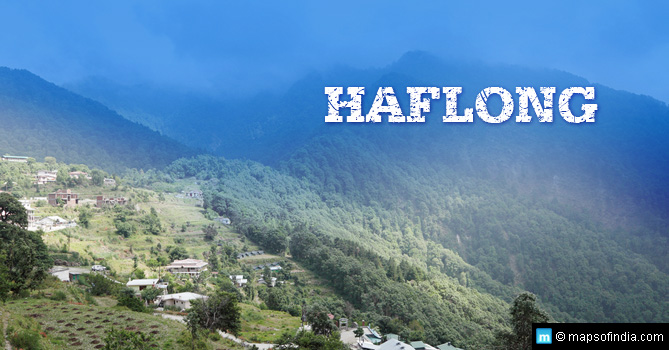
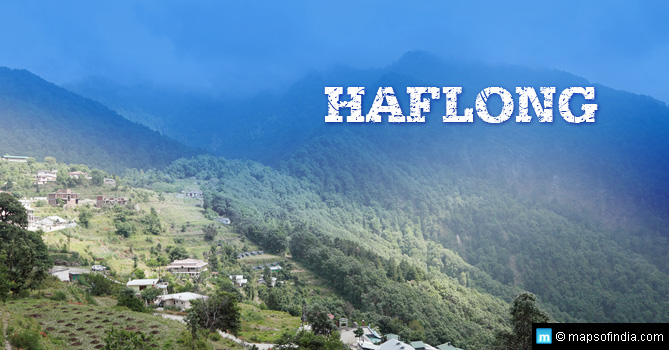
 Most of north east India is hilly and breathtaking views of deep valleys are only to be expected. But Assam is a state largely made up of rolling plains. Haflong Hill is the only hill station in the state. Often referred to as White Ant Hillock, Haflong is best known for its picturesque views and rich cultural legacy. Serene and calm and at the same time rustic and wild, Haflong near Silchar is a tourists' delight.
How to Get to Haflong?
Haflong is located in south Assam not very far from the city of Silchar. The nearest airport is the one at Silchar (Kumbhirgram Airport) about 108 kilometres away. The drive is likely to take about three hours. The only bus service to Haflong Hill is from Silchar. If you are keen to travel like the locals, you can take the state bus. However, the journey is not likely to be a comfortable one. Renting a car is a recommended option. Alternatively, you may want to board one of the two direct trains from Silchar to Haflong. The journey might be tedious but Haflong’s beauty is certainly worth it.Places to See In & Around Haflong
- Haflong Hill - The main attraction of Haflong is the green, serene environment and the beauty of the hill itself. Haflong hill is ideal for those who like to take long walks in the midst of nature and for families that like to picnic while enjoying a great view of the surrounding valleys.
- Haflong Lake - The Haflong Lake is a vast expanse of beautiful waters - an oasis of calm in the midst of these hills. Since 2015, the state government has undertaken a major project to clean and beautify the lake.
- Maibong - Located about 47 kilometres from Haflong, Maibong is an ancient center for art and culture in Assam. This town was the capital of the 17th century Dimasa Kachari Kingdom and is now famous for the Ramchandi temple.
- Silchar - Silchar, the nearest city, has a number of major attractions worth visiting. If you do visit Silchar from Haflong, do not miss the beautiful crafted Bhuvaneshwar Temple.
- Jatinga - Located close to the Haflong ridge is Jatinga, a place famous for "bird suicides". It is said that birds fly to this place attracted by the bright lights in the houses and somehow get disoriented. Unable to fly away they are killed by hunters. This phenomenon occurs only in September-October night when fogs and mild showers set in.